This explanation covers the source's Frequency Response Consistency methodology for Test Bench 2.0. Earlier headphone test benches used different methods: the underlying concept remains similar, but the methodology described here applies only to TBU 2.0 results.
Frequency Response Consistency is a central measurement in the source's headphone testing because it shows how sound varies between listeners with different physical characteristics. Ideally, everyone would receive the same frequency response, making the listening experience predictable and repeatable. In practice, that does not always happen.
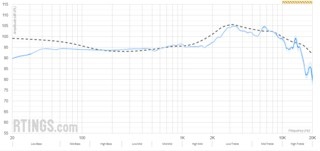
Raw Frequency Response uses only the industry-standard Brüel & Kjær 5128 rig to obtain a nearly absolute sound measurement. It does not account for human measurements or differences between fittings. Consistency testing helps connect that rig measurement with real listening: glasses, for example, can change fit and seal enough to alter the response you hear. Inconsistent results reveal how difficult it is for headphones to sound alike across people and listening sessions.
Why Consistency Matters
Physical differences can affect sound whether you share headphones with a friend or simply put your own pair back on. Consistency is therefore relevant to most buyers, although comfort and stability usually deserve greater priority for sports, podcasts, or audiobooks.
How Anatomy and Headphone Design Interact
Besides showing differences across listeners and sessions, this test can indicate engineering quality. With over-ear and on-ear designs, particularly closed-back models, a gap-free seal generally supports consistent bass. A poor seal can produce uneven bass or a dramatic reduction in its response.
Earpad material may compress excessively, insufficiently, or unevenly, leaving gaps. Some designs address specific fit problems: the Sennheiser HD 490 PRO has earpads with channeled divots for eyeglasses, which can improve consistency for glasses wearers.
Head shape and size affect clamping pressure and whether the headphones seal properly. Large over-ear cups also allow more variation in the drivers' distance and angle relative to the ears, changing the sound between wears.
Headband sizing and placement matter too, including how far forward or backward the band sits. Limited adjustment ranges or large steps between notches, as on the Audeze Maxwell Wireless, can make it difficult to accommodate different people.
A pair may sound consistent on one person but vary considerably on another with different traits. Unless you share headphones, consistency across every physical characteristic is not essential. Look instead for repeatable measurements from subjects whose traits most closely resemble yours; personal suitability does not require a perfect overall score.
In-ear headphones and earbuds can also sound different between people, but glasses, hair length, and head size do not affect their frequency response consistency. The important factors are selecting the right ear tip size and placing both earbuds carefully and symmetrically each session.
Interpreting the Results
Frequency Response Consistency helps identify headphones that sound predictably similar over repeated sessions and, for over-ear and on-ear models, across listeners with different physical traits. The source determines the score using both human subjects and fittings on its testing rig's head. Although a perfect score is desirable, results corresponding to your own characteristics are usually more useful.
Recent Changes
08/11/2025: A video explaining the test was added to the introduction. The procedure wording was also revised to clarify that testing uses the B&K 5128's built-in microphones.