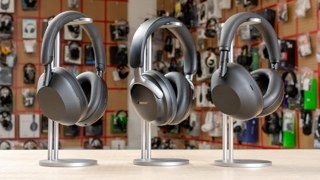

Headphone comfort describes how pleasant a pair feels during extended wear. Over-ear and on-ear models have head-mounted frames and cups that sit around or against the ears. Earbuds and in-ears enter the ear to different depths and sometimes use neckbands for support. Whatever the design, comfortable headphones should not cause strain, fatigue, or pain over time.
Individual preferences differ, but several design features commonly influence comfort. For over-ear and on-ear headphones, these include weight, padding, headband tension, and frame tightness. With earbuds and in-ears, softness, flexibility, insertion depth, and pressure inside the ear matter.
How the Comfort Score Is Determined
The source’s testing team combines measurements with listening-wear assessments. Weight and clamping force are measured objectively to establish how heavy and tight the headphones are. Several people with different characteristics then wear them to assess comfort over time. Their combined experiences inform the subjective final score.
Assessments consider padding, physical sensation, tightness, and tension alongside weight. Because comfort varies between people, the highest scores go to headphones that stand out as comfortable to every tester.
When Comfort Matters Most
Discomfort can distract from audio and may eventually cause soreness or pain. It often becomes more apparent as a session continues, making comfort particularly important for people who listen to audiobooks or albums for hours without removing their headphones.
Factors Not Explicitly Tested
The team does not separately test the following details, although particularly noticeable benefits or serious drawbacks can affect the score:
- Specific ergonomic features, including cable management, headband adjustment, earbud tip choices, and range of motion
- Earcup dimensions, depth, and padding area
The resulting score is therefore a group judgment of physical comfort, supported by objective measurements rather than determined by them alone.