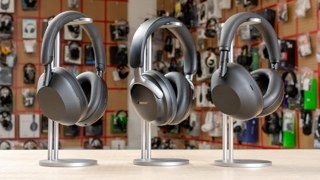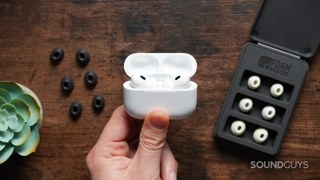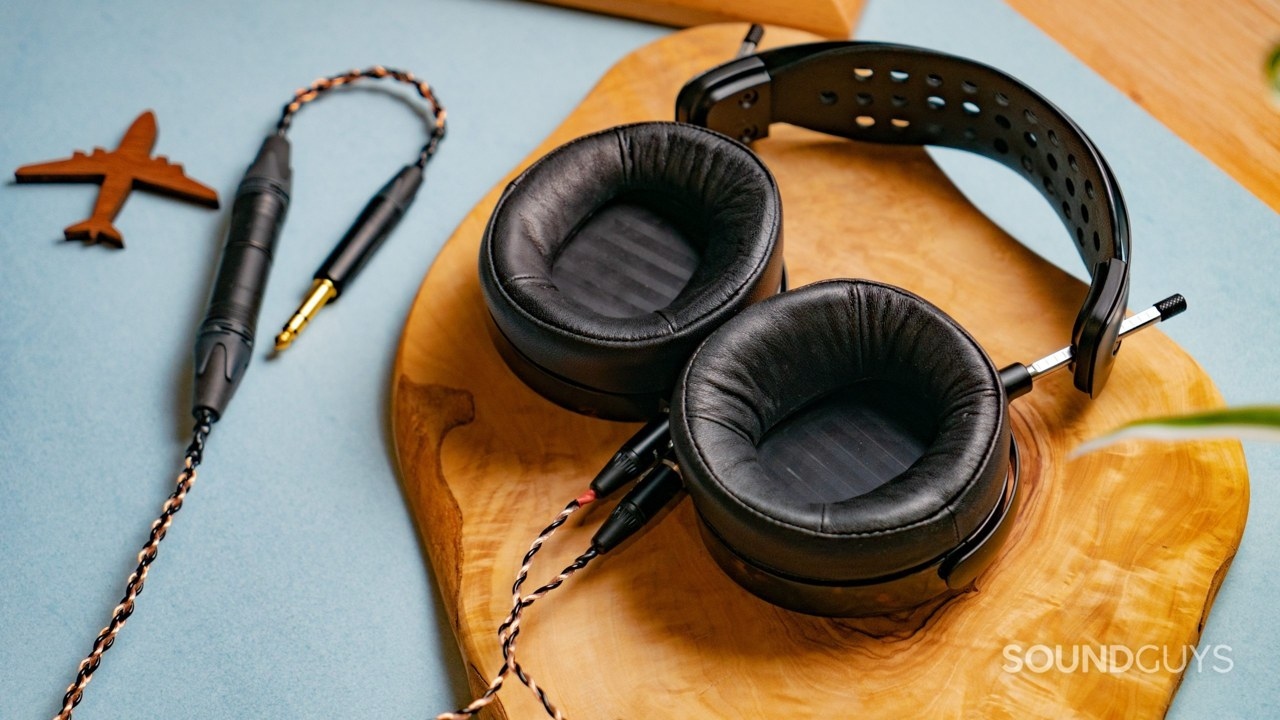
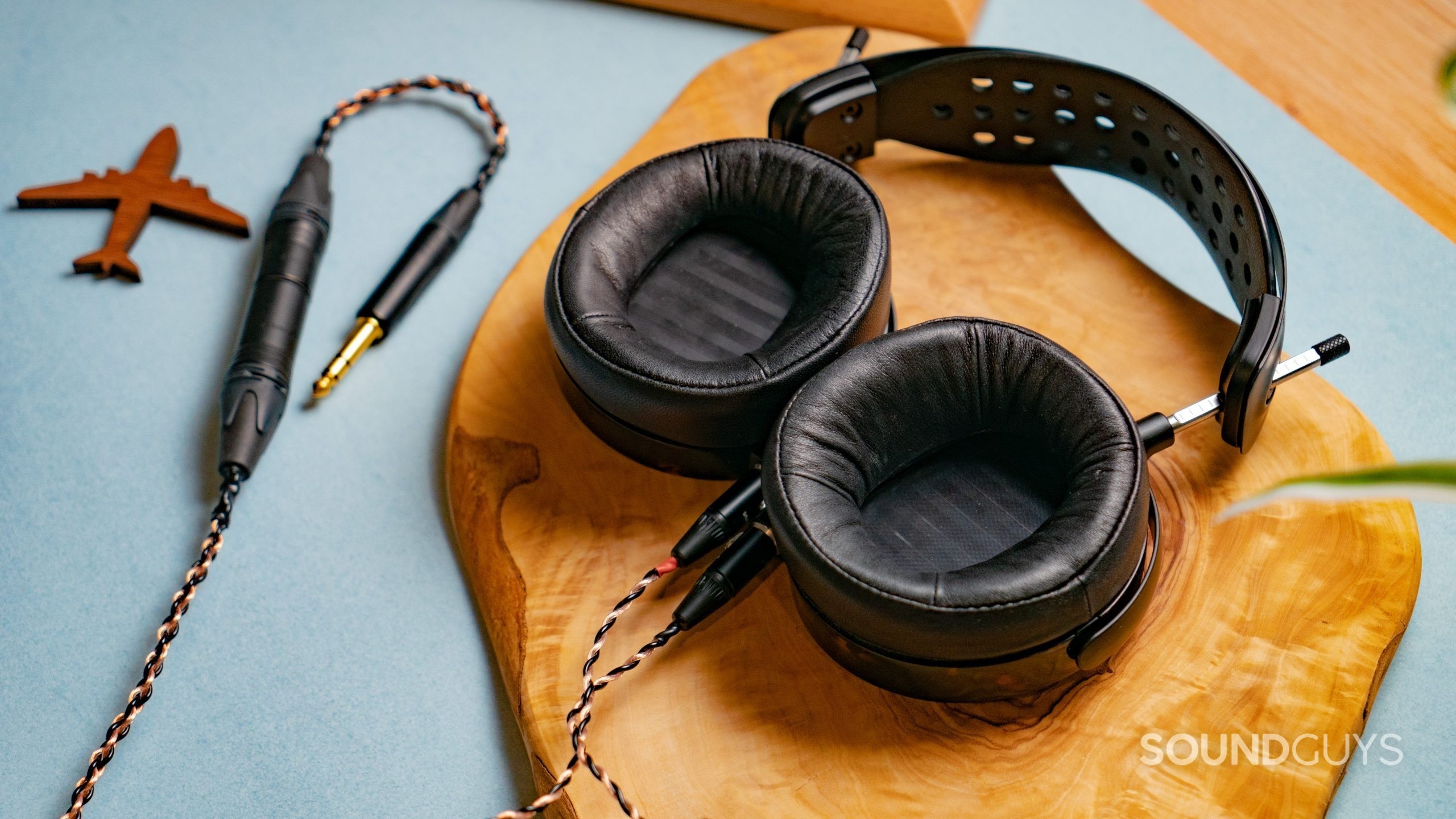
Worn, crumbling, or flattened ear pads need not mean replacing your headphones. Compatible replacements for brands such as Bose and Beats can restore cushioning, improve isolation, and sometimes change sound quality. Materials including leather, velour, memory foam, and hybrids can affect bass, treble, and perceived soundstage, making pad replacement both maintenance and a way to customize listening.
SoundGuys independently selects featured products and may earn a commission on purchases through retail links. The source list was updated on February 27, 2025.
Replacement ear pad brands to consider
Wicked Cushions
MSRP: $30.00; listed saving: $10.00. The source highlights comfort, improved sound, and straightforward installation.
With nearly a decade in the market, Wicked Cushions offers popular replacements for numerous headphones, often in distinctive colors and patterns. Model-specific, step-by-step guides help with installation.
Soft leather and memory foam conform to the ears, while glue-reinforced stitching along the inner seams helps prevent splitting. For listeners troubled by heat during long sessions, the company also offers cooling gel pads with a breathable sports-fabric-and-leather hybrid covering.
Brainwavz
MSRP: $22.50. Highlighted benefits include a comfortable fit, a wider soundstage, and reduced ambient noise.
Originally a maker of wired audiophile earphones, Brainwavz has produced ear pads since 2008. Its broad selection of universal-fit oval pads gained attention for cushioning that is thicker and more comfortable than many stock alternatives. Memory foam helps isolation, and soft PU leather covers the pads. Multiple sizes and rear mounting flaps accommodate many headphones and attachment systems.
Dekoni Audio
MSRP: $39.99. The source highlights easy installation, comfort, and improved bass.
Dekoni Audio makes high-end replacement pads for Bose, Sony, Audio Technica, and other consumer and Pro Audio headphone brands, with an emphasis on sound and isolation.
Its range extends from basic replacements in the Earpadz Line to the premium Platinum, Choice, and Elite Series. These use dense memory foam with authentic or synthetic leathers and velours to modify the stock frequency response. For example, Elite Fenestrated Sheepskin pads produce a steeper sub-bass roll-off, a more energetic midrange, and stronger peaks at ~18kHz. Dekoni is an option for listeners interested in fine-tuning sound through pad selection.
Geekria
MSRP: $17.75; listed saving: $1.76. Key benefits cited are simple installation, durable materials, and greater comfort.
Geekria sells affordable replacement pads worldwide for many headphones, including Bose, Sony, Skullcandy, and Sennheiser models. Its range also includes cooling gel pads for gaming headsets, plus machine-washable and disposable covers for those who do not want to replace the pads themselves.
SoloWIT
MSRP: $22.95; listed saving: $8.59. SoloWIT replacements for the Bose QC 35 and QC35 II offer an inexpensive, comfortable, easy-to-install refresh for aging headphones, with results described as almost as good as new.
The source also refers to the brand as SoulWIT and describes replacements for both older and newer headphones. High-density foam and protein leather help create a seal, and a pair of scrims assists installation. The pads are frequently discounted.
Other replacements worth considering
- Earrock Ear Cushions for AirPods Max: These memory foam replacements come in mesh fabric resembling the original covering, or in lambskin or protein leather for a different feel.
- Link Dream Ear Pads for Beats Solo 2 Solo 3: Available in several colors, these memory foam pads include a three-year warranty against wear.
- Link Dream Ear Pads for Bose Quiet Comfort 35: A low-cost way to extend the life of Bose QC35s, these soft, durable pads include a scrim tool to simplify installation.
How replacement pads affect comfort and sound
Pad thickness and material can change bass, mids, and treble, emphasizing some frequencies while muffling others. Large ear cups with soft fabric can be comfortable, and deep cups make achieving a seal easier, although fabric pads can still become quite warm.
Material tradeoffs
- Leather and protein leather: Real leather, such as sheepskin, offers durability, comfort, and strong passive isolation. It is softer and allows more airflow than synthetic alternatives, but prolonged use can still become hot and sweaty. Its thick construction tends to increase bass. Synthetic protein leather aims to provide similar qualities at a lower cost, though it may wear out sooner.
- Velour: Comfortable and breathable for lengthy listening, velour blocks less noise than leather but offers a better soundstage. It is popular for open-back headphones where airflow and a natural presentation matter.
- Suede and micro-suede: Soft, breathable, and lightweight, these materials can provide comfort with less heat buildup than denser coverings. Their thinner construction may reduce longevity.
- Cooling gel: These pads feel cool initially but can eventually retain heat. For very long sessions, more breathable materials may work better.
- Memory foam versus regular foam: Memory foam molds to the head and ears, improving fit, sealing, comfort, and isolation. Its effect on sound differs little from regular foam; comfort and fit are the main reasons to choose it.
Isolation, durability, and fit
The seal around your ears affects both passive noise isolation and active noise cancelation (ANC). Conforming materials such as memory foam can help block ambient sound in noisy surroundings.
Materials age differently, so durability matters for comfort and sound as well as replacement frequency. Compatibility is equally important: incorrectly sized pads can compromise fit, audio quality, and ANC performance.
How SoundGuys evaluates replacements
SoundGuys describes its testing as objective and thorough, assessing comfort, durability, sound quality, and isolation. Standardized tests measure frequency-response changes and isolation improvements.
Its recommendations weigh material quality, model compatibility, sound changes, comfort, durability, customer feedback, and different user needs to judge value and performance. SoundGuys attributes its advice to extensive research and testing by audio experts and states that ethical review standards support unbiased, accurate analysis.
Installation and common questions
Are angled pads better?
Angled pads can follow the ear's natural shape more closely, potentially improving comfort and perceived soundstage. Whether they are preferable depends on the headphones and the listener.
How do you replace headphone ear pads?
- Carefully pull the old pads away from the earcups. Some models instead require twisting or unclipping.
- Remove debris and adhesive residue from the earcup area.
- Position the replacement pad so its notches or clips line up with the earcup.
- Gently press around the edges to secure the pad. Depending on the model, it may click into place or require a twist to lock.
Are all ear pads removable or interchangeable?
Most over-ear and on-ear headphones have removable, replaceable pads, although removal difficulty varies. Pads are not universal: their shapes, sizes, and attachment methods suit particular models. Choose replacements compatible with your headphones for correct fit and performance.
Can headphones be used without pads?
Using headphones without ear pads is not recommended. Pads provide essential isolation and contribute to sound quality; removing them can make listening uncomfortable and degrade the sound.
How long do pads last?
Typical life expectancy is 1 to 3 years, depending on materials, use, and care. Sweat, skin oils, and everyday wear affect durability. Regular cleaning and suitable storage can help pads last longer.
Before posting a comment, read the Comment Policy.