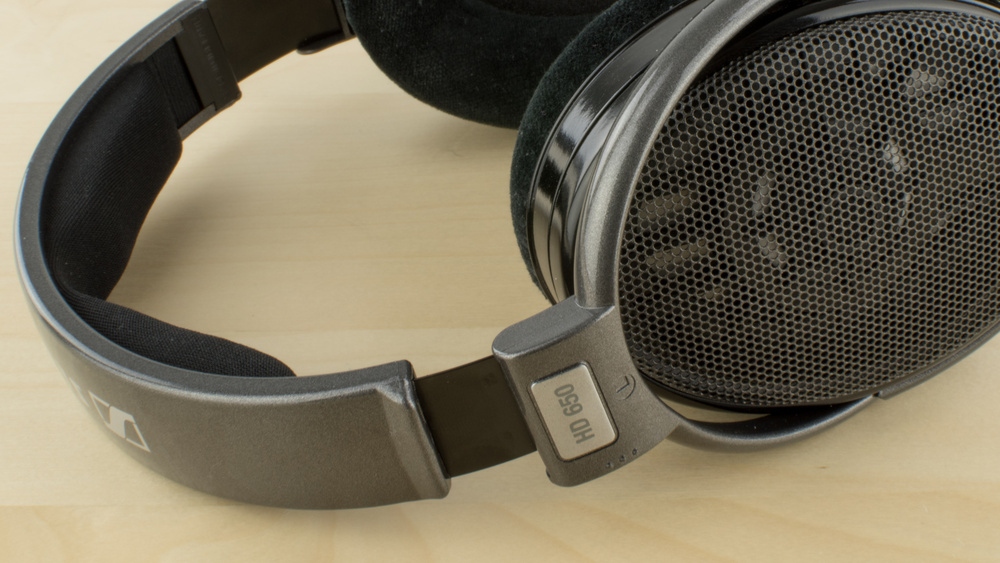
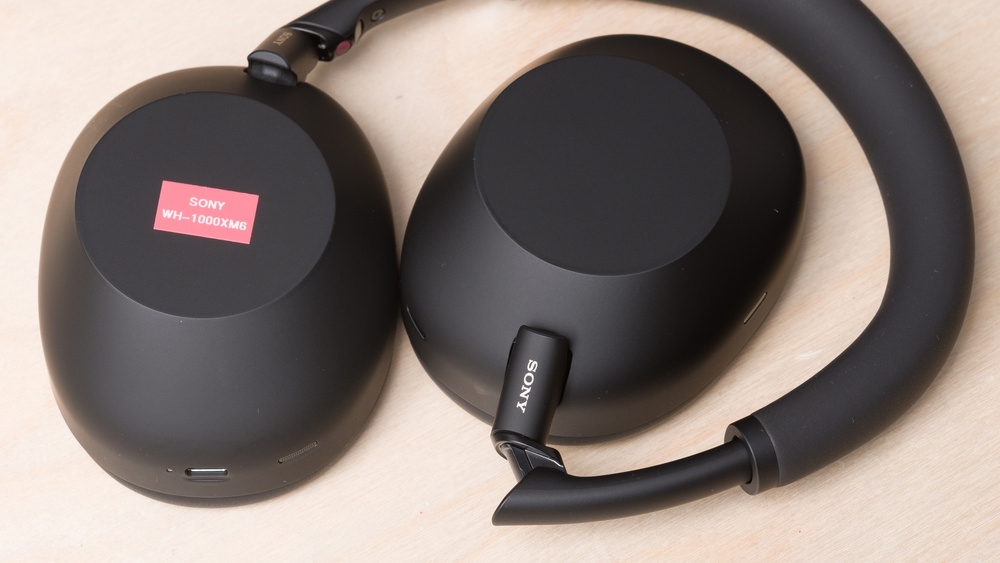
Over-ear and on-ear headphones use two main ear-cup designs. Open-back models have mesh or perforations that let air and sound move through the cups; closed-back headphones use solid, sealed enclosures. Each design has advantages, but neither is inherently superior.
The differences below are general tendencies, not guarantees. Some closed-back headphones leak considerable sound or isolate poorly, and construction alone cannot predict a model's performance. Most open-backs are over-ear headphones, although the source publication has also reviewed open-back on-ear models. Detailed reviews and recommendations for both categories can help narrow your choices.
 |  |
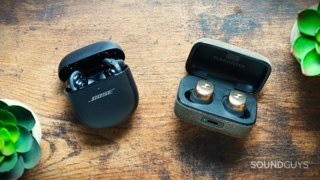
Open-fit earbuds, such as the Bose Ultra Open Earbuds, are a related but not directly comparable option. Rather than aiming for an immersive soundstage, they admit ambient sound to help maintain awareness of your surroundings during activities such as jogging.
Sound Leakage
The openings in open-back ear cups allow sound to travel between the drivers and the surrounding space. Consequently, nearby people may hear your audio, particularly at higher volumes. A model such as the HiFiMan Sundara 2020 could share your music with others in a library or on a bus, making open-backs generally impractical for public listening. This openness also contributes to their soundstage benefits.
Closed-back cups usually contain more sound, making them better suited to offices, libraries, and other shared spaces where privacy and fewer distractions matter. However, a closed enclosure does not guarantee low leakage: the Logitech G535 LIGHTSPEED Wireless leak substantial audio at high volumes. Ear-cup and ear-pad construction also matter, since a poor seal against your head lets more sound escape. Check model-specific findings if leakage is a priority.
 |  |
Noise Isolation
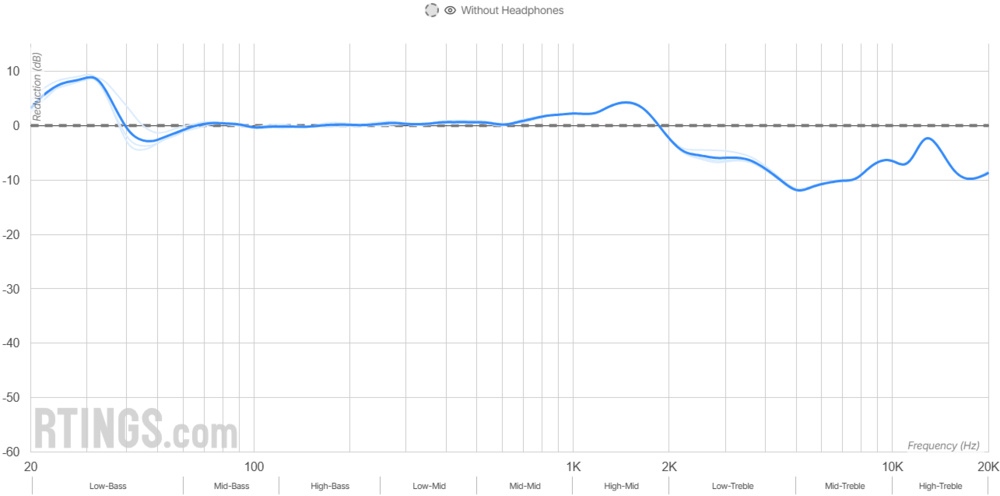
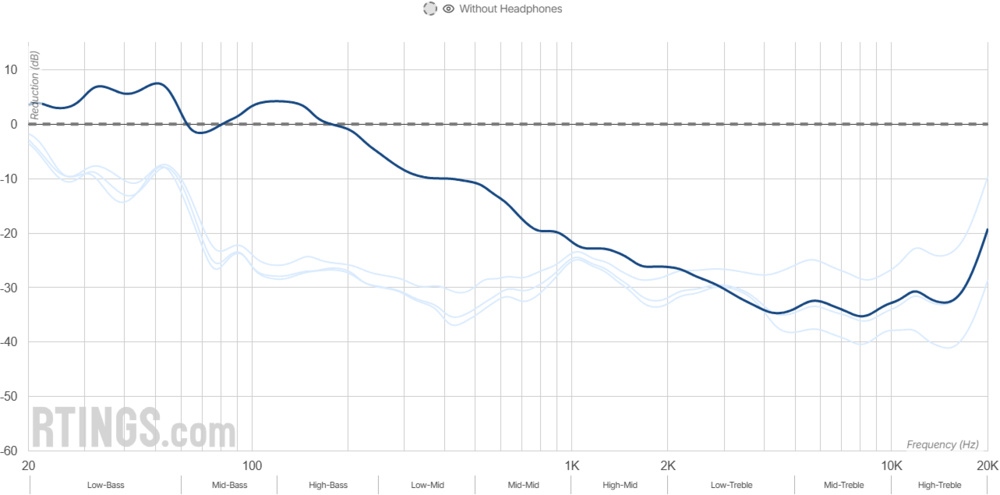
Sound usually passes through an ear cup in both directions: a design that leaks audio generally also admits outside noise. Sealed cups therefore tend to provide better passive isolation, reducing chatter, traffic, and engine noise. This can make music or game audio easier to hear without increasing the volume. Many closed-back headphones also offer Active Noise Cancelling (ANC) for additional isolation.
Open-backs usually block little noise. Their porous construction can give audio a greater sense of space while leaving you aware of your surroundings—for example, allowing you to hear roommates while listening. The same openness is a disadvantage on a subway, where train and crowd noise can intrude. Still, some closed-backs, including the Sony PULSE Elite, also isolate poorly; ear-cup design is only part of the picture.
Semi-open models such as the Superlux HD 681 and Beyerdynamic DT 880 lack fully sealed cups. In practice, their leakage and isolation tend to resemble those of fully open-back headphones.
 |  |
Soundstage
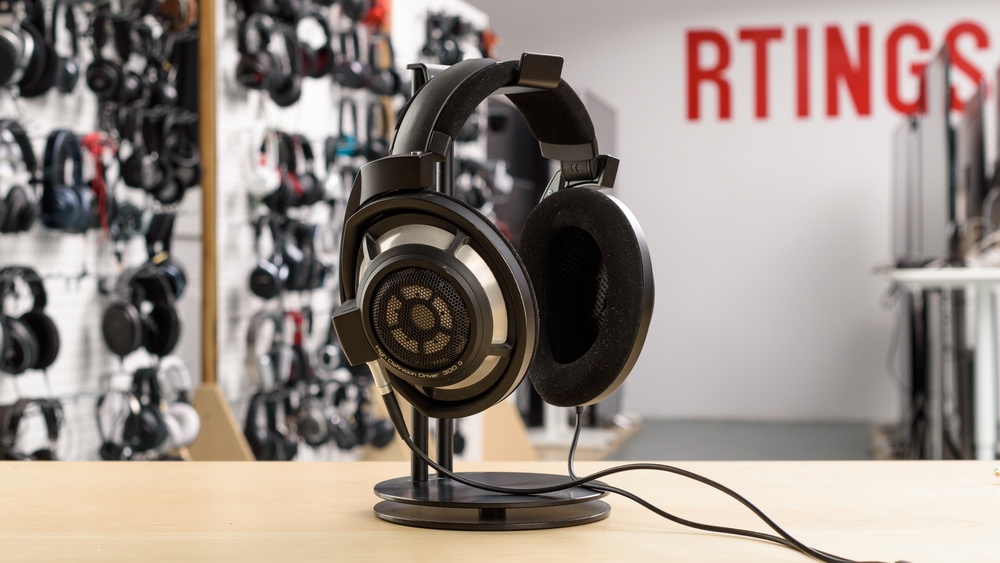
Soundstage—the perceived width and depth of audio—is a major reason to choose open-back headphones despite their leakage and limited isolation. Models such as the Sennheiser HD 800 S are known for a broad, immersive presentation that can place music around you rather than inside your head. Open cups allow sound waves to interact with the room and reflect naturally, adding spaciousness.
Listeners often describe this presentation as lifelike or speaker-like. The source publication's reviews use a pair of angled reference monitors as the benchmark for soundstage presentation. This spacious quality helps explain why audiophiles often favor open-backs for classical, jazz, and acoustic music, where detail and spatial presentation are important.
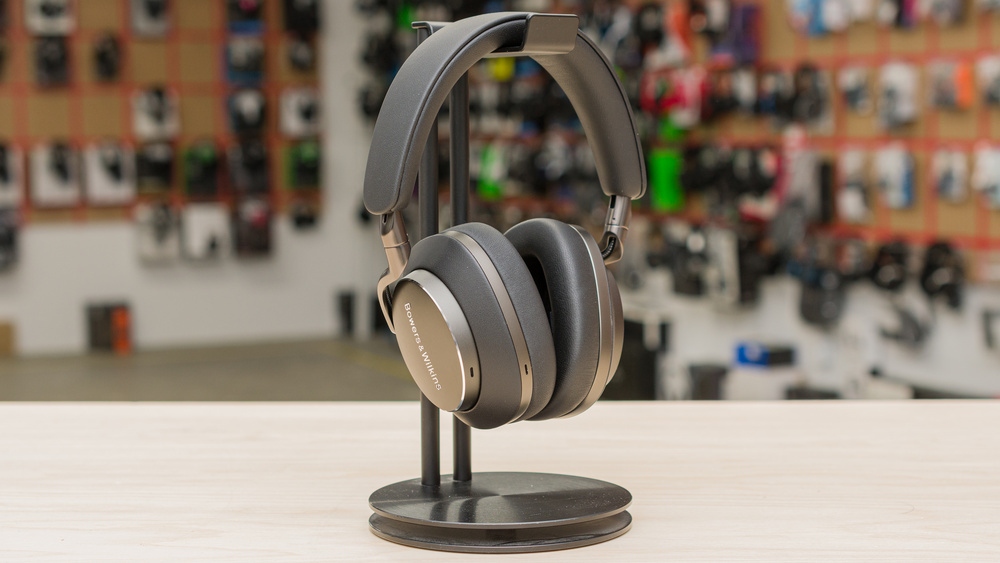
Closed-back headphones generally sound more intimate and centered. Their enclosed cups direct sound toward the ears, with less of the airy reverberation associated with open-backs. That presentation can suit some listening preferences and uses. Models such as the Audeze Maxwell Wireless can also provide powerful bass, as sealed enclosures can reinforce low frequencies.
The source publication does not measure soundstage directly. Instead, it measures PRTF (pinna-related transfer function), which offers some insight into spatial performance but cannot encompass the full subjective experience of soundstage.
 |  |
Bass Response
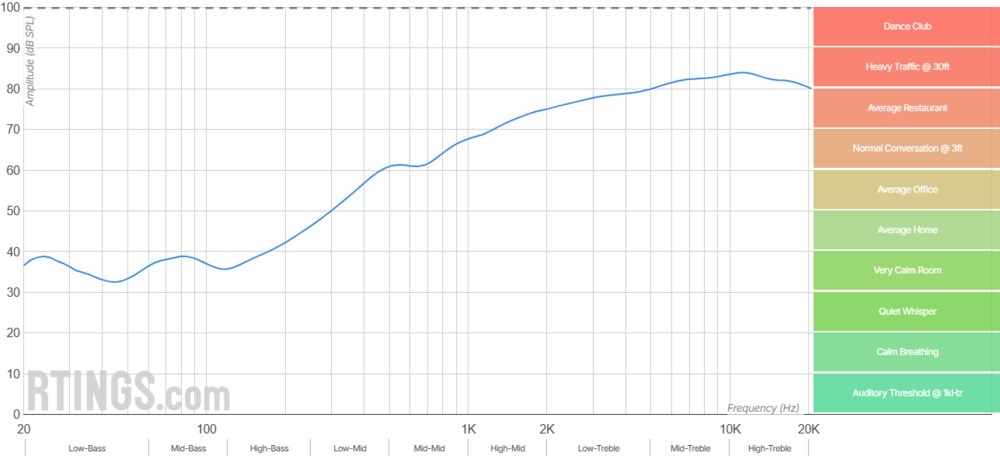
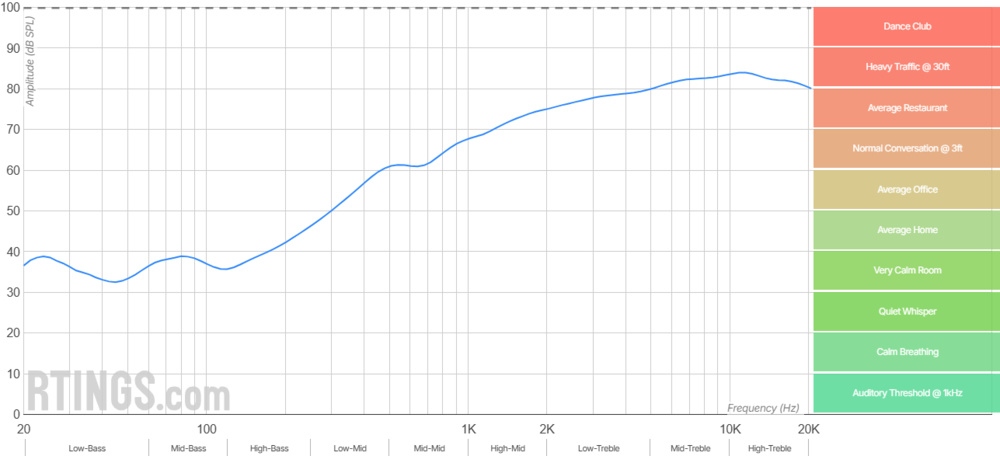
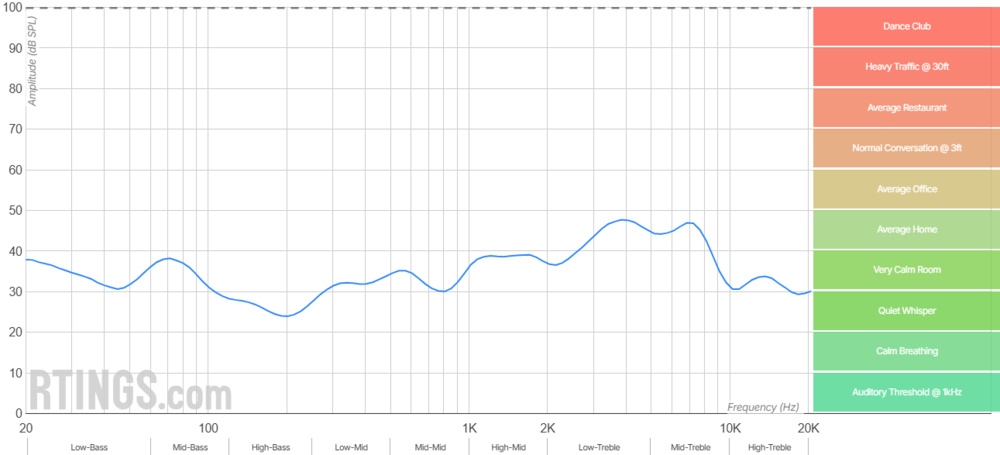
Closed-back headphones typically emphasize bass more, especially low bass. Their sealed cups retain and reinforce low-frequency energy, which can suit hip-hop, EDM, and cinematic material with deep effects, including game soundtracks.
Open-backs generally have less prominent bass, particularly sub-bass. Escaping air and sound make it harder to develop the pressure needed for strong low-end impact. Nevertheless, models such as the Sennheiser HD 490 PRO can deliver accurate, controlled bass. Design alone cannot establish exactly how headphones will sound, so individual reviews remain important.
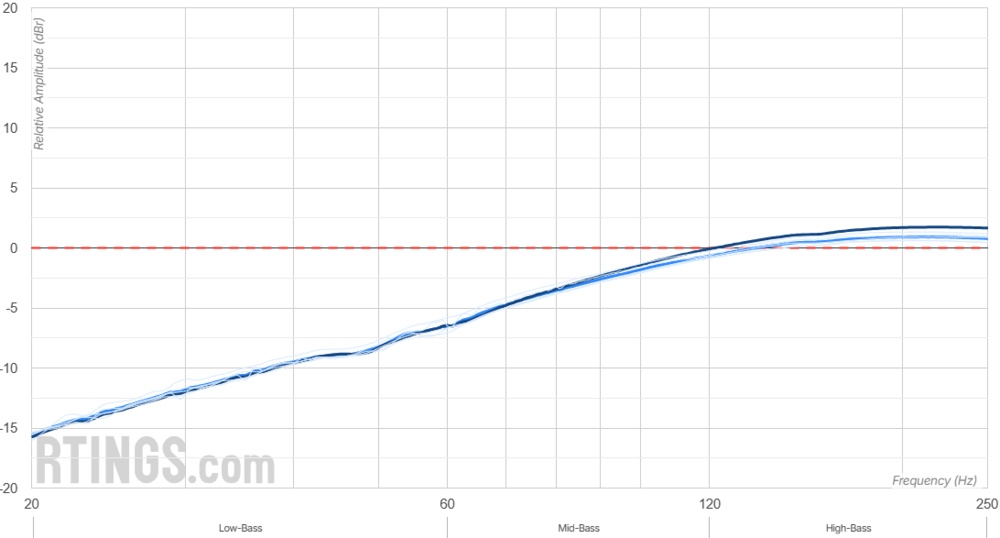 | 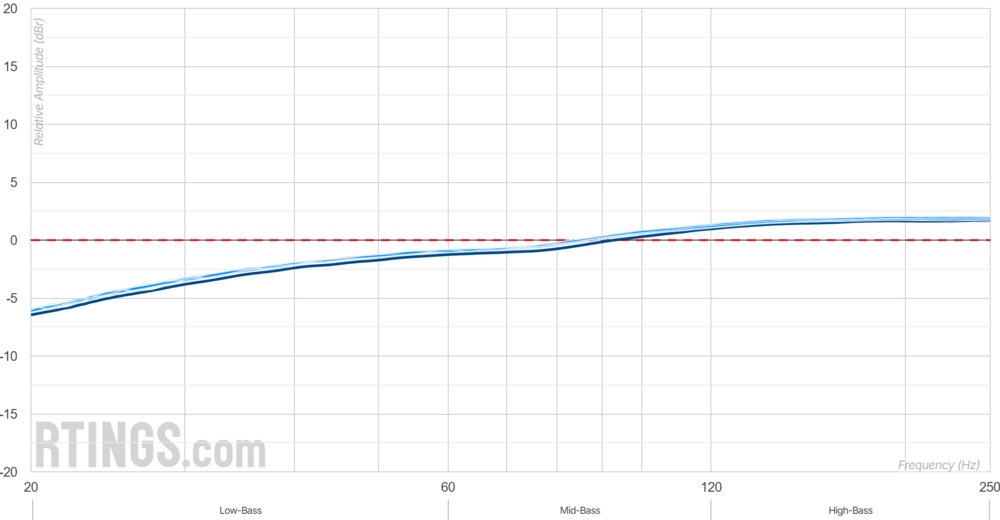 | 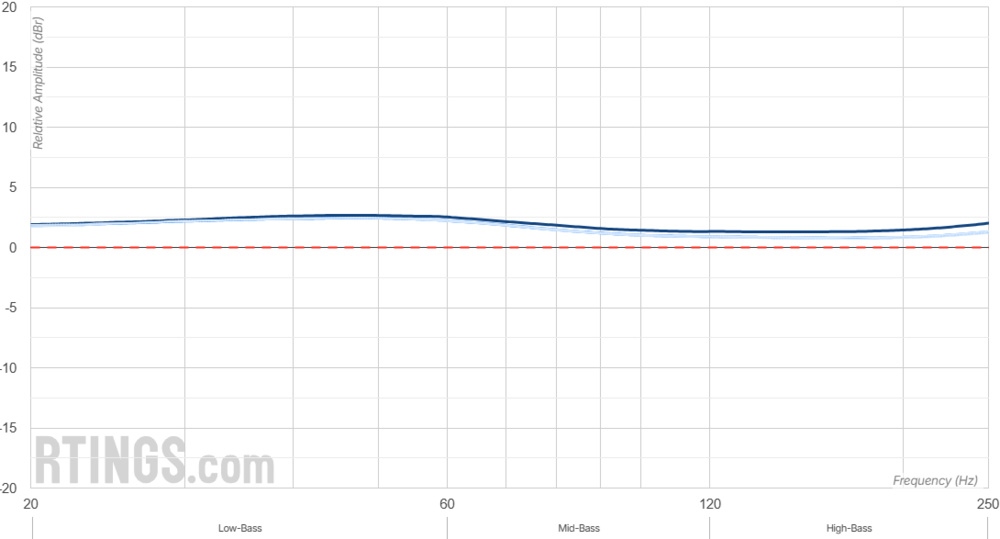 |
Comfort
Comfort depends on anatomy and personal preference, including whether you like a loose fit or a snug, secure one. Even so, the two designs have some common differences.
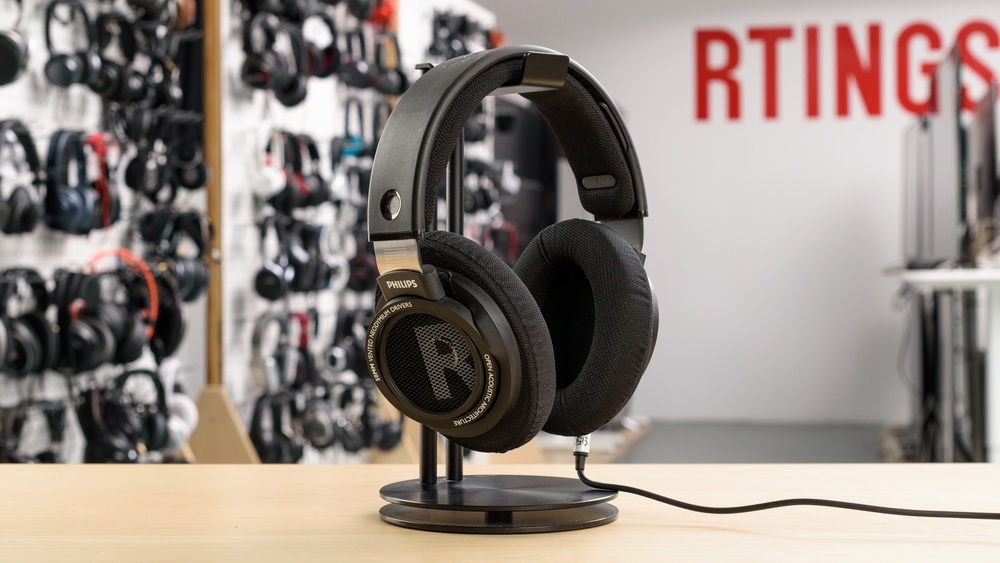
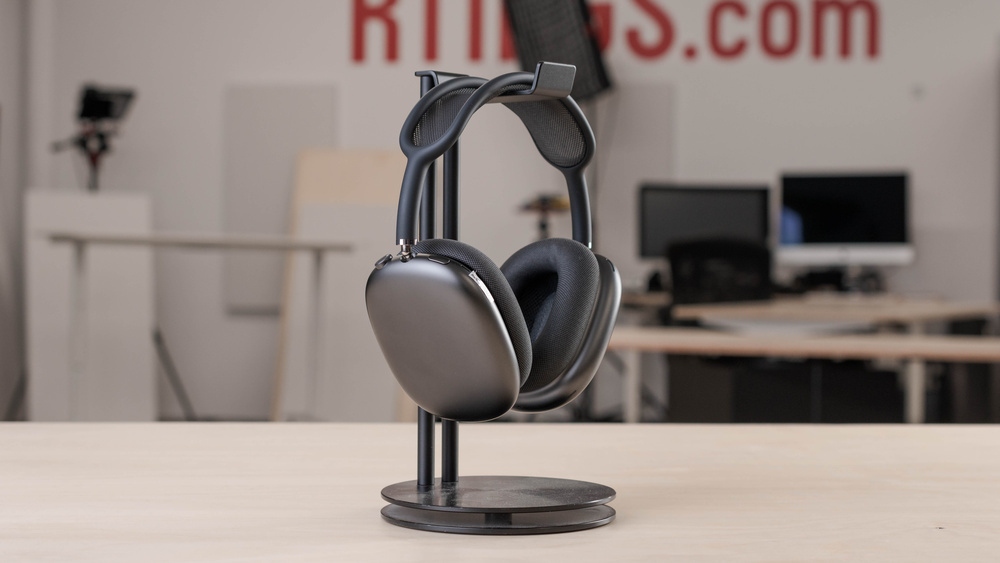
Open-backs often remain comfortable longer because ventilation limits heat buildup and helps keep ears cool and dry. Their open construction also reduces pressure buildup, while the fabric or velour pads used by many models breathe better than the leatherette pads common on closed-backs. These qualities can reduce the hot, stuffy feeling and perceived ear pressure associated with extended listening.
Closed-back cups allow little or no airflow, so ears may become warm and sweaty. The padding and clamping force used to create isolation can also press against the ears and sides of the head, contributing to fatigue and the need for breaks. Many closed-backs are well padded and ergonomic, but their sealed design is inherently less breathable.
 |  |
Build Quality and Portability
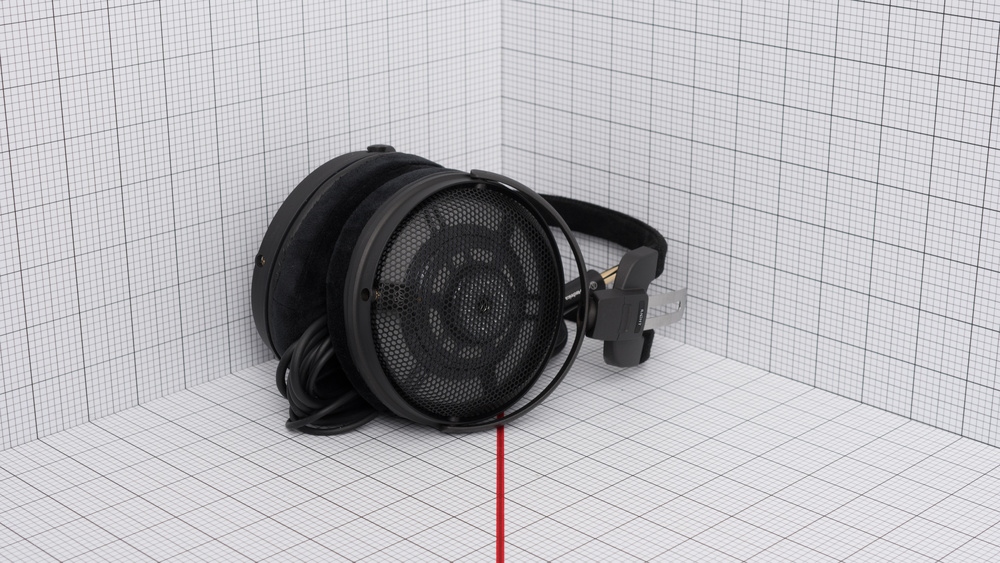
Different intended uses also influence construction. Because open-backs leak sound, they are usually intended for indoor listening. Their exposed grilles and vents leave drivers more vulnerable to dust, moisture, and accidental impacts. Lightweight materials and less reinforcement can improve comfort but may also make them more delicate and less suitable for travel or rough handling.
Many open-backs have large, non-folding cups and long audio cables rather than compact folding frames or Bluetooth connectivity. As a general rule, they are not designed to be tossed into a bag for a daily commute.
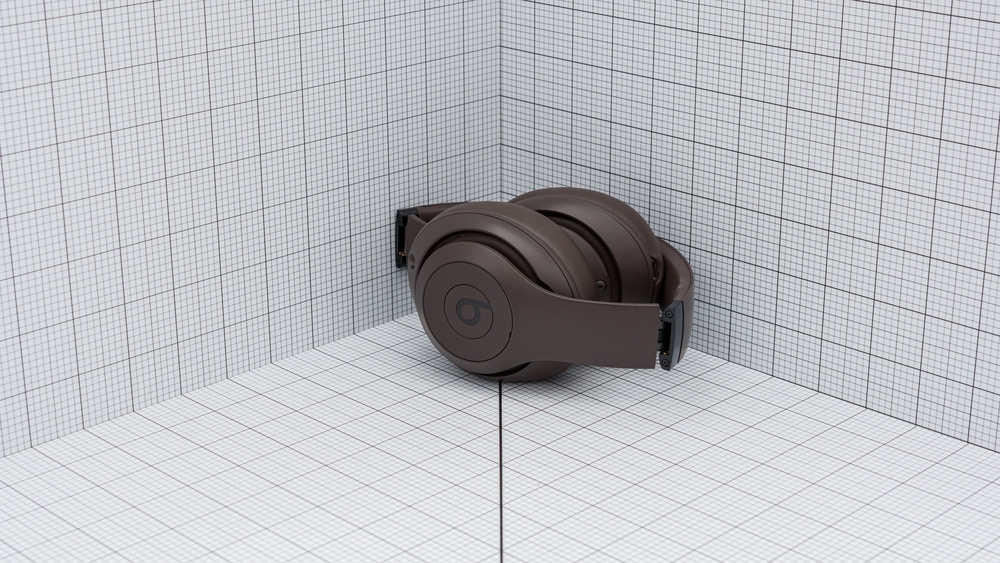
Closed-backs more often prioritize travel and versatility, with folding frames, carrying cases, or swiveling cups that lie flat. Solid shells provide some driver protection, and headbands often use metal or durable plastic to withstand commuting. They can serve at home, at work, or on the subway, and their often-lower impedance makes them easier to drive without a dedicated headphone amplifier.
These remain broad trends. The closed-back FIIO FT1 target audiophiles, while the open-back Sennheiser HD 650 are a well-built, established audiophile model. Consult detailed reviews for construction and portability findings. If durability is especially important, the source also recommends checking forums such as Reddit for reports of defects or poor workmanship.
 |  |
Choosing by Use
Commuting and Travel
Closed-backs are the clear choice for buses, trains, and flights. Their isolation reduces engine and crowd noise, while containing audio helps avoid disturbing passengers. Travel-oriented models such as the Bose QuietComfort Headphones Wireless use closed cups for these reasons. Open-backs are unsuitable for commuting because they admit surrounding noise and let your audio escape.
Gaming
Either design can work for gaming. An open-back headset such as the Turtle Beach Atlas Air can create a wider sound field that helps you locate sounds within a large game environment. Competitive players, however, often favor closed-backs such as the SteelSeries Arctis Nova Pro Wireless: better isolation reduces distractions and makes important sounds, including footsteps, easier to focus on.
Studio Work and Content Creation
Professional audio uses both designs for different jobs. Open-backs are valued for mixing and critical listening because a broad soundstage helps engineers position instruments in the stereo field. Their breathable comfort also supports long sessions.
Recording is a different matter. Sound escaping from open-backs can reach a musician's or streamer's microphone, making them a poor fit for that task. Closed-back models such as the Sony MDR-7506 are therefore a standard choice for recording, tracking, and broadcasting.
Listening at Home
Your surroundings and preferences determine the better choice at home. In a quiet room, open-backs such as the Beyerdynamic DT 1990 PRO MKII offer breathable comfort and a spacious, speaker-like presentation. However, others in the room will hear some audio, which could disturb someone sleeping or watching television.
Closed-backs such as the AKG K361 help keep sound from traveling in either direction. They suit shared rooms where you want to avoid bothering others, while also reducing noise from neighbors or children in an adjacent room.
Making the Choice
Open-backs generally favor spacious sound, ventilation, and critical listening in quiet settings. Closed-backs usually offer more privacy, isolation, and bass impact for travel or noisy surroundings. Individual models can depart from these patterns, so use detailed reviews to check whether a particular pair meets your needs.
Recent Updates
- 02-06-2025: The source publication rewrote the article to reflect its latest test benches and offer more useful guidance.