
Sony’s latest flagship earbuds improve on their predecessors, but the buying decision is less straightforward than the category results suggest. Regional prices, modest performance gains and a potentially divisive fit all matter. In Simon Cohen’s comparison, the WF-1000XM6 win more individual categories, while the discounted WF-1000XM5 offer stronger overall value.

The XM6 deliver expansive, neutral sound and are much easier to lift out of their case. They also cost less than some contemporary audiophile-oriented wireless alternatives. However, competing earbuds can offer better noise cancellation, clearer calls, a more dependable fit and spatial audio that is less dependent on the device being used. There are no hearing tests, and support for 360 Reality Audio is declining.
The XM5, introduced in July 2023, remain lively, weighty and enjoyable to hear. Their shape was preferred in the earlier review, and they can feel comfortable and secure once seated, with an additional set of foam tips helping users find a fit. Both generations include LDAC and Sony’s top-tier DSEE upscaling. The XM5 review nevertheless reported occasional connection losses, unexceptional ANC, an overly busy app and inconsistent on-ear volume adjustment. The newer model has not substantially resolved the app and ANC criticisms.
Pricing and availability
The WF-1000XM6 became available globally on February 12, 2026, priced at $329 / £250 / (about AU$480). Color options are black and ‘silver’, although Cohen describes the latter as closer to greige.
For UK and Australian shoppers, those figures are slightly below the XM5’s launch prices of £259 / AU$499 in 2023. US buyers receive no reversal of the $30 increase applied to the XM5 in 2025, following their original $299.99 launch price.
Discounts make the older pair more compelling: Amazon US has listed the XM5 for as little as $239, while Amazon UK’s lowest current listing is £189. Availability beyond the immediate future is uncertain, but Sony told Cohen that both generations would remain on sale “until further notice.”
Specifications compared
| Specification | Sony WF-1000XM6 | Sony WF-1000XM5 |
|---|---|---|
| Drivers | 8.4mm dynamic, described as 'soft edge, hard center' | 8.4mm dynamic driver X, using a new structure described as 'super soft parts within a rigid frame' |
| Weight: each earbud; case | 6.5 grams; 47 grams | 5.9 grams; 39 grams |
| Microphones | 4 per earbud; 8 overall | 3 per earbud; 6 overall |
| Bluetooth version | 5.3 | 5.3 |
| Supported Bluetooth codecs | SBC, AAC, LDAC, LC3 | SBC, AAC, LDAC, LC3 |
| Battery: single charge; including case | Up to 8 hours with ANC; up to 24 hours overall | Up to 8 hours with ANC; up to 24 hours overall |
| Fast charging | Supported | Supported |
| LE Audio | Supported | Supported |
| Auracast | Supported | Supported |
| Wireless charging | Supported | Supported |
| Water/dust resistance | IPX4, earbuds only | IPX4, earbuds only |
| Head-tracked spatial audio | Supported on Android only | Supported on Android only |
Features: familiar tools with a few additions
Most of the XM5’s feature set carries over. Wireless charging, speak-to-chat, head gestures, quick attention and capture voice are all retained; the most obvious changes to the earbuds themselves are physical rather than functional.
The principal new feature is Background Music Effect, previously introduced on the WH-1000XM6 headphones. Its 'My room', 'Living room' and 'Cafe' modes progressively spread the presentation and make music seem farther from your ears.
TechRadar audio editor and reviewer Becky Scarrott enjoyed the effect rather than dismissing it as a novelty. She considered it particularly suitable for people who like a television playing in the background, or who find prominent lyrics distracting when concentrating.
On Android phones that support Gemini, saying “Hey Google” also provides hands-free access to the AI.
An additional microphone in each earbud, together with revised ANC and calling algorithms, promises modest gains in noise cancellation and voice calls. Cohen heard better ANC in his testing, particularly on flights, although it remained short of the leading alternatives. Calls sounded much the same to him.
Sony also says a redesigned Bluetooth antenna should improve connection reliability with phones and laptops. While others experienced XM5 connectivity problems, Cohen reports none in his own use.
These additions give the newer model the feature advantage, but Cohen did not consider any of them a sufficient reason on its own to choose it.
Feature winner: Sony WF-1000XM6.
Sound: an exceptionally narrow lead
Sony attributes the XM6’s audio improvements to 32-bit processing, an upgraded digital-to-analog converter (DAC) amplifier and newly developed dynamic drivers. Although the driver specifications resemble those of the older model, Sony says the design has been reworked, pairing rigid domes with soft edge suspension.
In Cohen’s listening, those changes did not produce a substantial audible difference. Both pairs delivered excellent sound: bass was powerful and resonant, while the middle and upper frequencies retained considerable clarity and detail. The possible advantage he identified was a soundstage that seemed marginally wider and more precisely defined.
Listeners who scrutinize very small differences may therefore prefer the XM6. For others, the XM5’s audio remains a major attraction. This is a narrower distinction than the opening assessment’s preference for the newer model on sound-per-pound performance.
Sound winner: Sony WF-1000XM6, by an extremely small margin.






Design: easier handling, less predictable fit
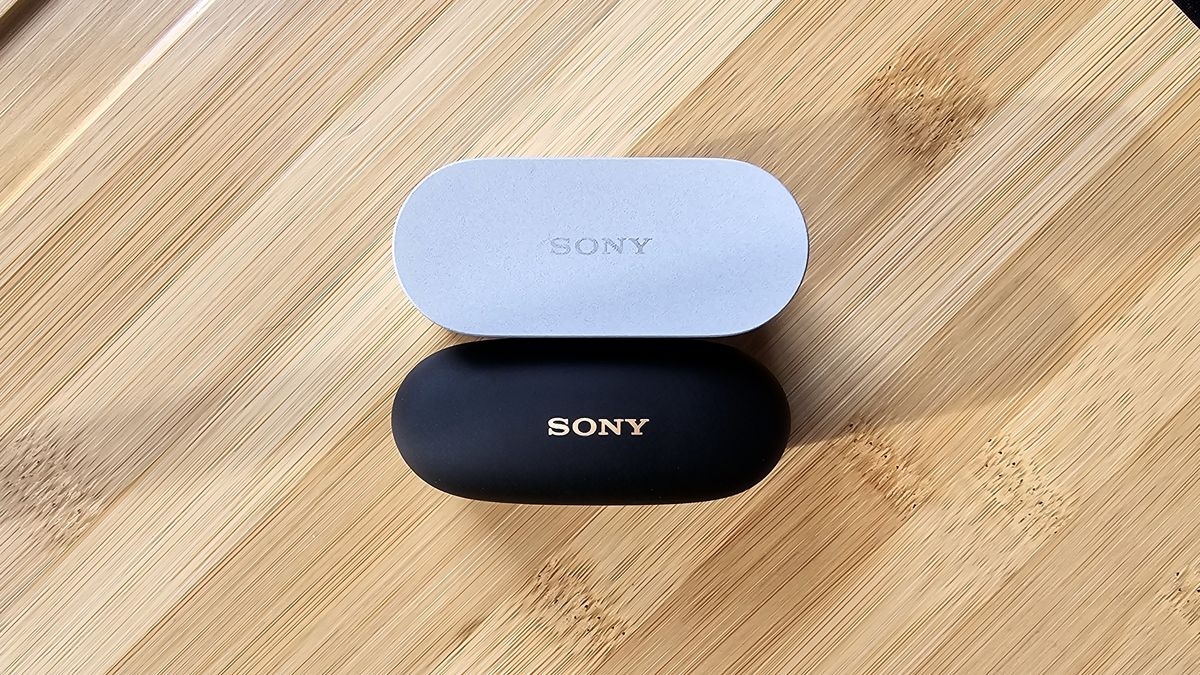
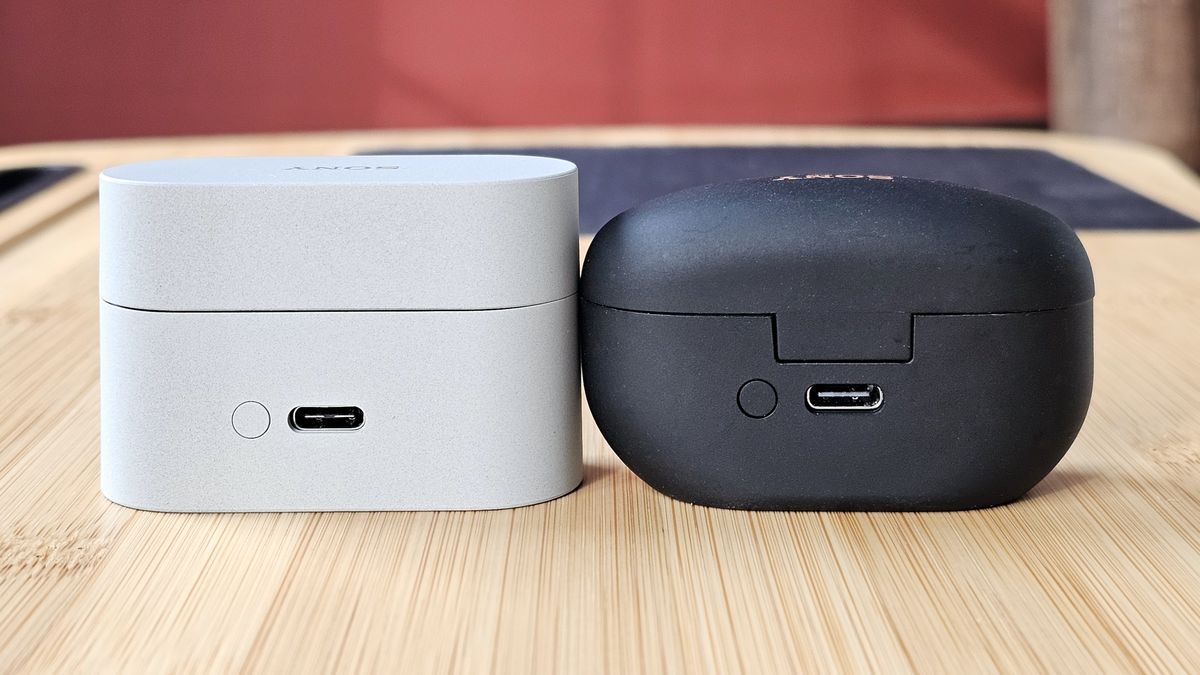
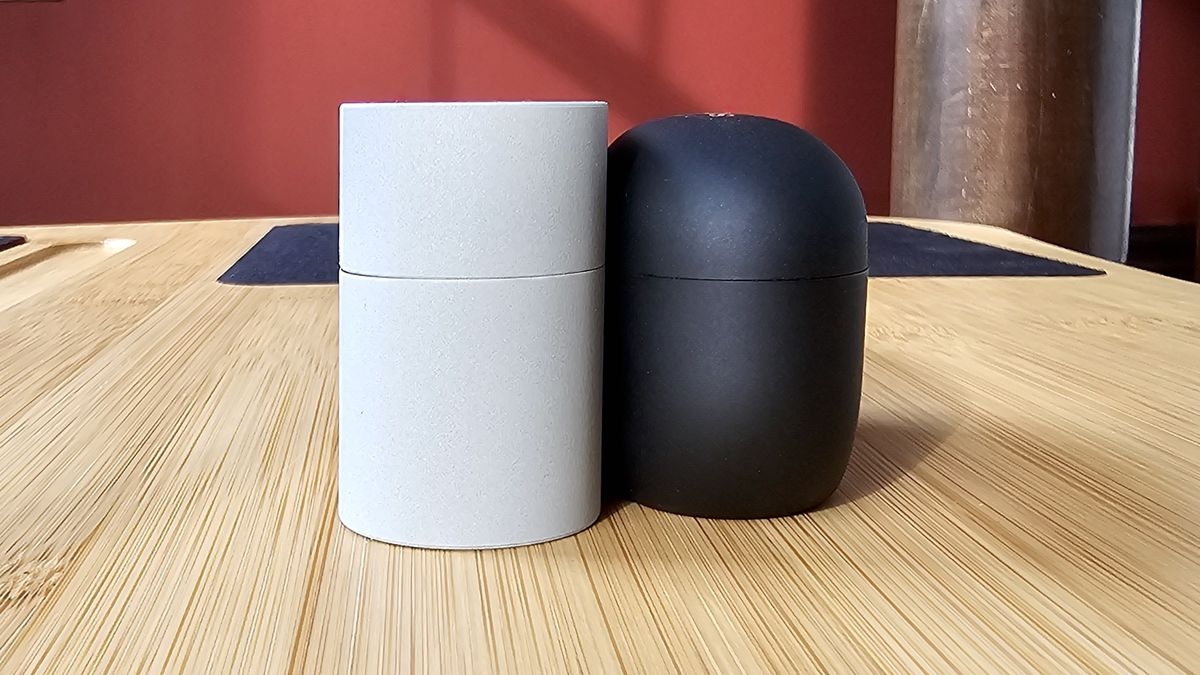
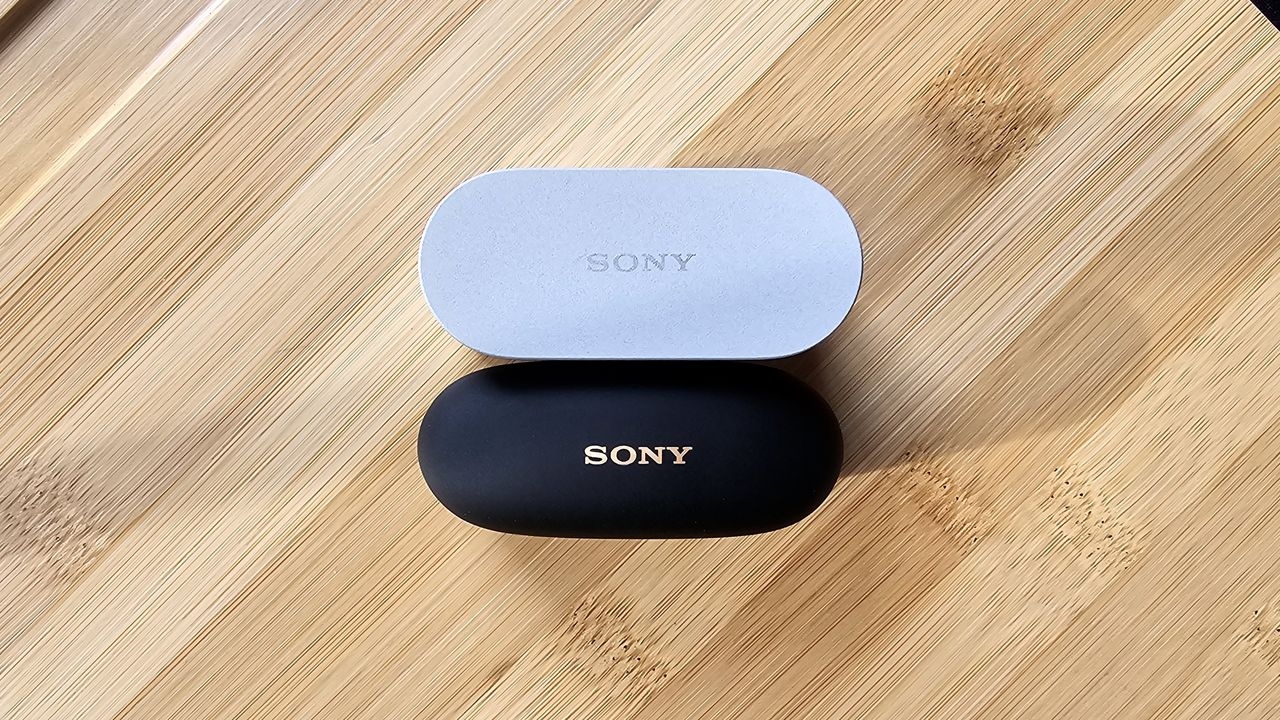
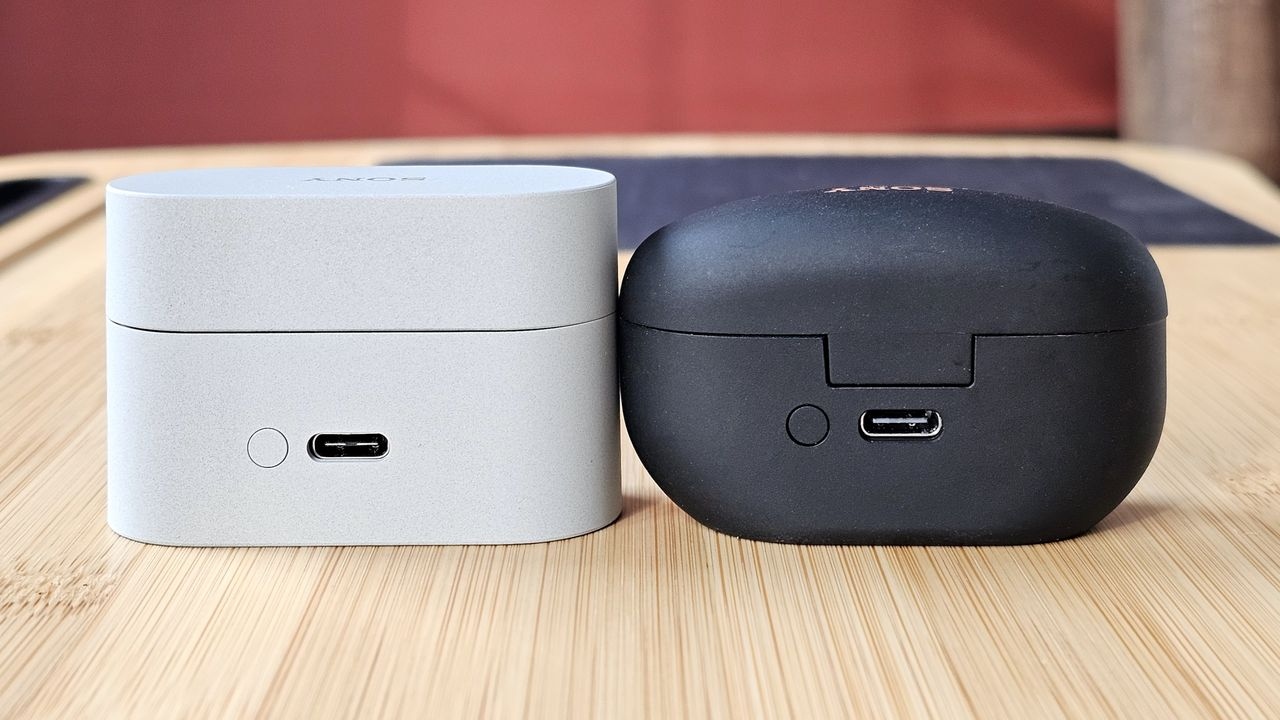
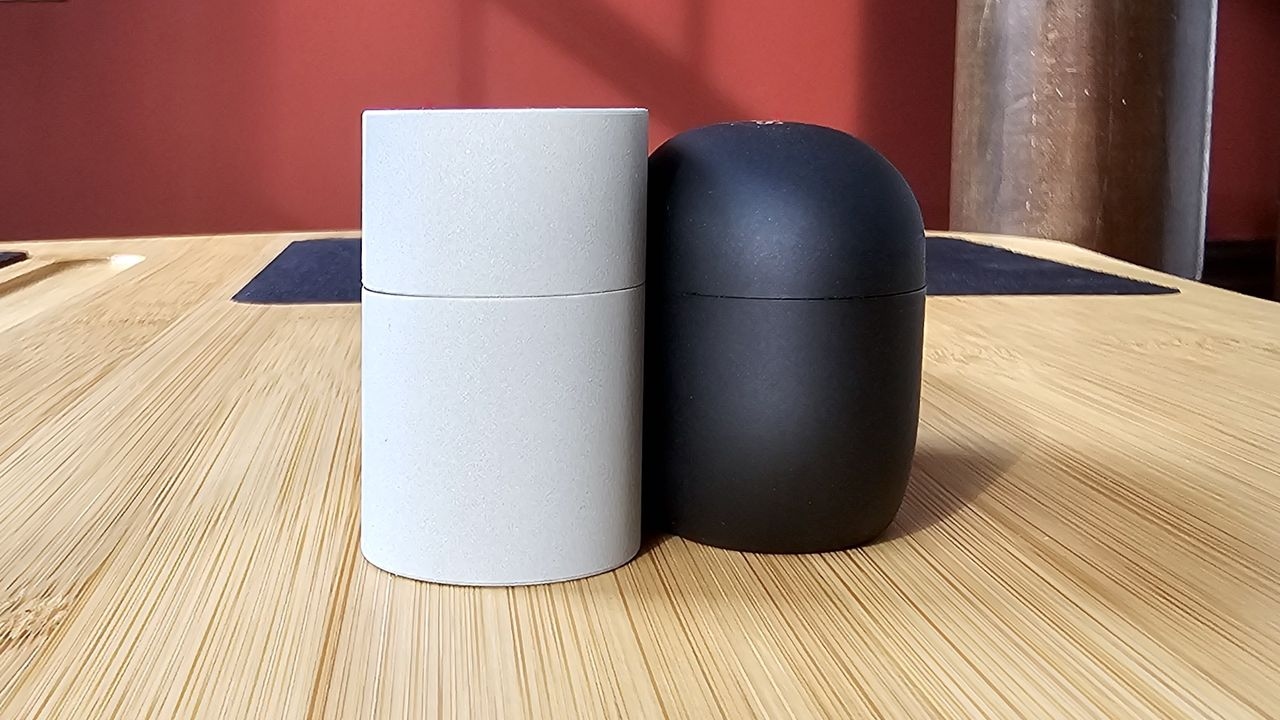
Sony has repeatedly changed the shape of this flagship series, and the XM6 continue that pattern. After the XM5 shrank from the often-criticized dimensions of the XM4, the new generation moves partway back toward a larger design.
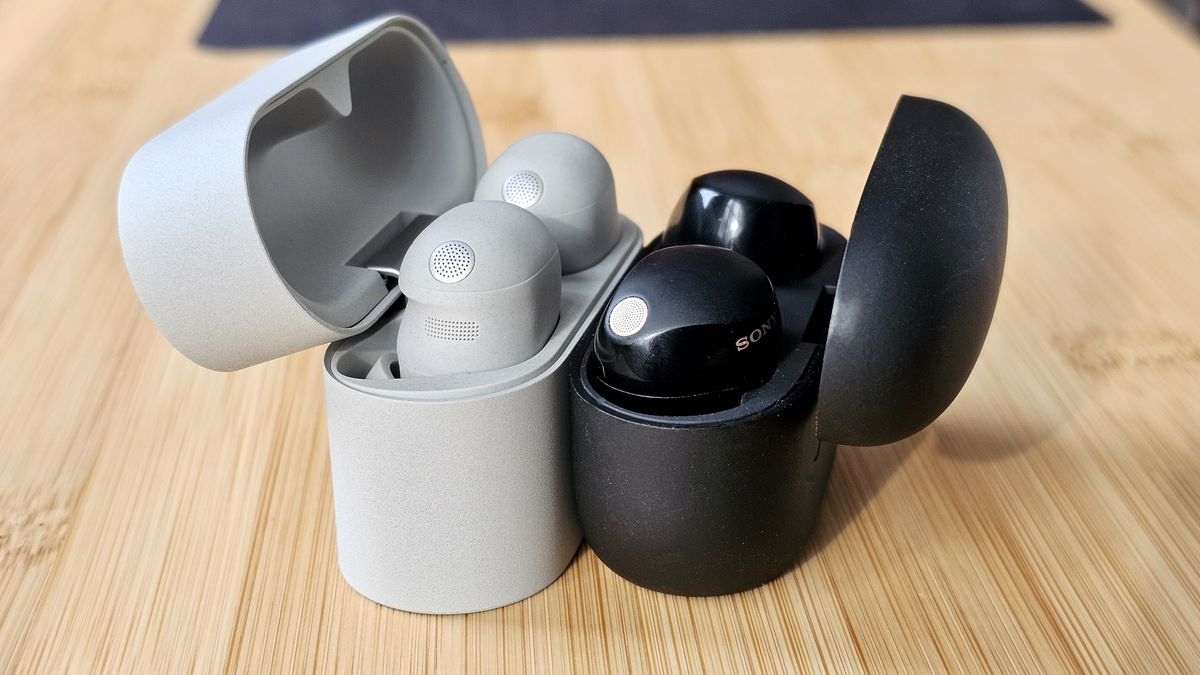
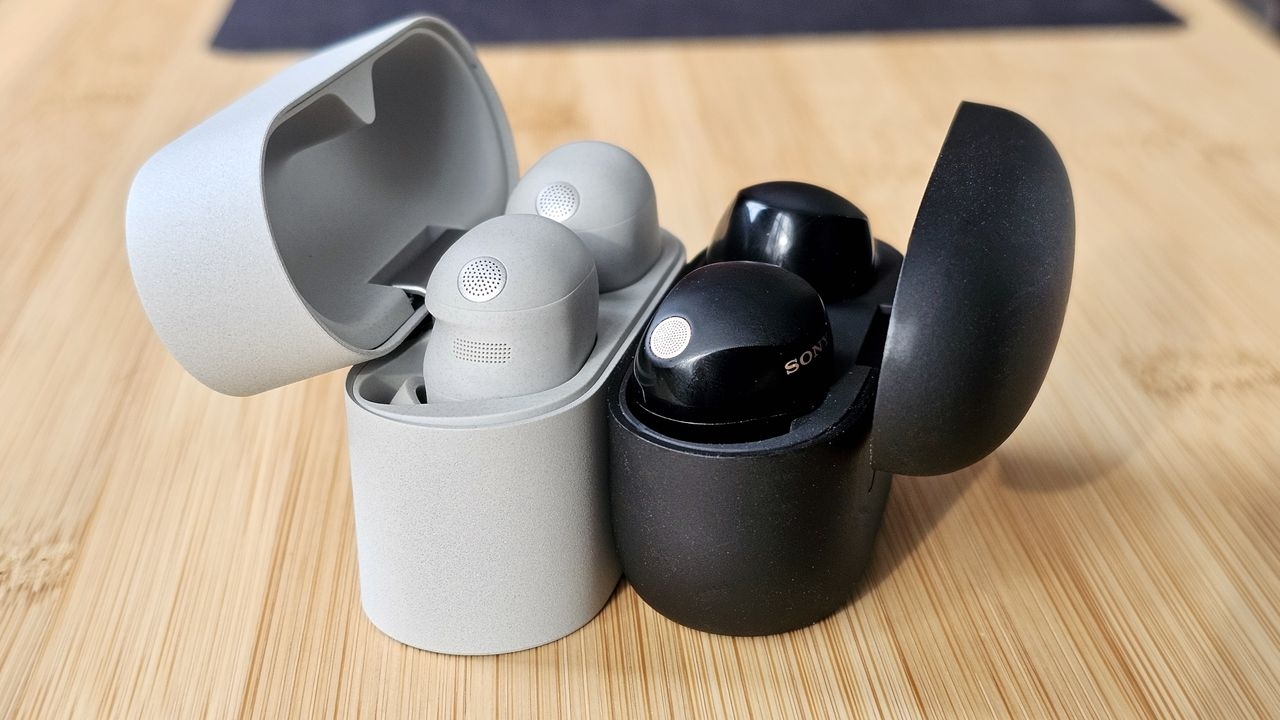
The charging case is bigger and more angular, making it somewhat less pocket-friendly. In return, it feels tougher and has a substantially sturdier hinge.
The earbuds are thinner but taller than the XM5, without reaching the XM4’s bulk. Their stone-like matte surface replaces the older pair’s slippery gloss. Combined with the new shape, that finish makes removal from the case considerably easier and reduces the likelihood of fumbling them.
Fit is more contentious. The oval, lozenge-like profile looks less streamlined and rests differently in the ear. Cohen found the XM6 more comfortable on his left side than on his right.
This is Sony’s third generation using foam ear-tips. Foam offers acoustic and fit advantages, but it generally needs to sit deeper in the ear canal than silicone. Achieving that depth with the XM6’s longer, thinner body can create pressure points in the concha.
Scarrott suggested that fit difficulties might partly explain her disappointing ANC results. In her review, the XM6 did not match the noise cancellation of Bose’s QuietComfort Ultra Earbuds (Gen 2) or Apple’s AirPods Pro 3.
Despite the larger overall package and possible comfort drawbacks, easier handling and the stronger case earn the XM6 this category.
Design winner: Sony WF-1000XM6.
Value: discounts favor the older model
With the XM5 substantially reduced, the XM6 need to deliver a clearly superior experience to justify their premium. Cohen was not convinced that the differences were large enough.
The value assessment credits small advances in sound, ANC and call quality, although Cohen’s direct calling comparison found little difference. Battery endurance, water resistance and spatial audio are unchanged.
Background Music Effect is enjoyable and could help with concentration or studying, but it is not essential. Comfort also remains uncertain: some people may prefer the XM6’s shape, while Cohen suspects many will find the older design more comfortable.
If the current XM5 discounts continue—or grow—the older earbuds represent the stronger overall deal.
Value winner: Sony WF-1000XM5.




Verdict: better earbuds, or the better purchase?
The WF-1000XM6 collect more category wins. At an identical price, Cohen would comfortably recommend them: their improvements are modest but genuine, and the revised shape could make a meaningful difference for someone who struggled to fit the XM5.
Actual prices change the recommendation. The verdict cites potential savings of up to $80 or £55 with the three-year-old XM5. They retain almost every feature and, to Cohen’s ears, sound essentially as good. That makes them the better buy for most people.
Paying more for the XM6 makes most sense for buyers who specifically want the improved ANC—even if the gain might be only about 10%—the Background Music Effect, or earbuds that are easier to grip when taking them from the case. Cohen doubts the latter two benefits will be decisive for many shoppers.

About the author
Simon Cohen leads Loudmouth.audio as editor-in-chief and has covered technology and consumer products for more than two decades. An experienced Canadian consumer-tech journalist, he writes about audio for TechRadar and also contributes to The Guardian, WIRED and Mashable. His previous outlets include Digital Trends, OZY, VentureBeat and CTV News.
Outside work, his interests include motorcycling, scuba diving, skiing and science fiction. He once met Douglas Adams.