Most headphones belong to four main categories: over-ear, on-ear, earbuds, and in-ear. In-ears and open-fit buds also come with stability fins or hooks for a more secure fit. All four categories offer wired and wireless options; wireless over-ears and on-ears generally last longer on a charge than earbuds and in-ears.
The right choice depends on your listening habits, preferences, and surroundings. The flowchart below focuses specifically on fit and comfort; click the image for a higher-resolution view. The following sections compare comfort, portability, passive noise isolation, leakage, stability, and sound. Open-back variants are excluded from the main comparison.

The Four Main Headphone Designs
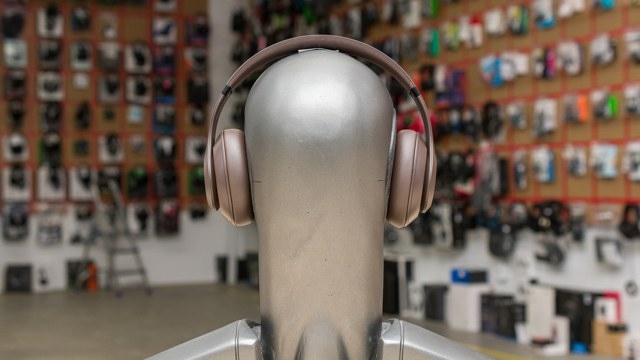
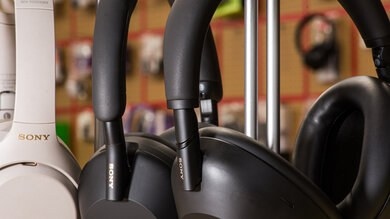
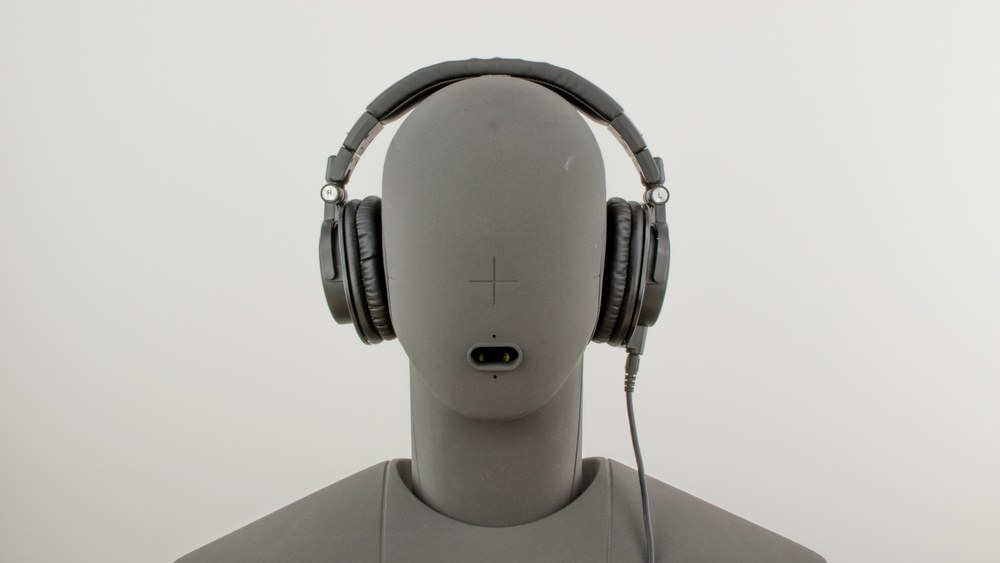
Over-ear headphones
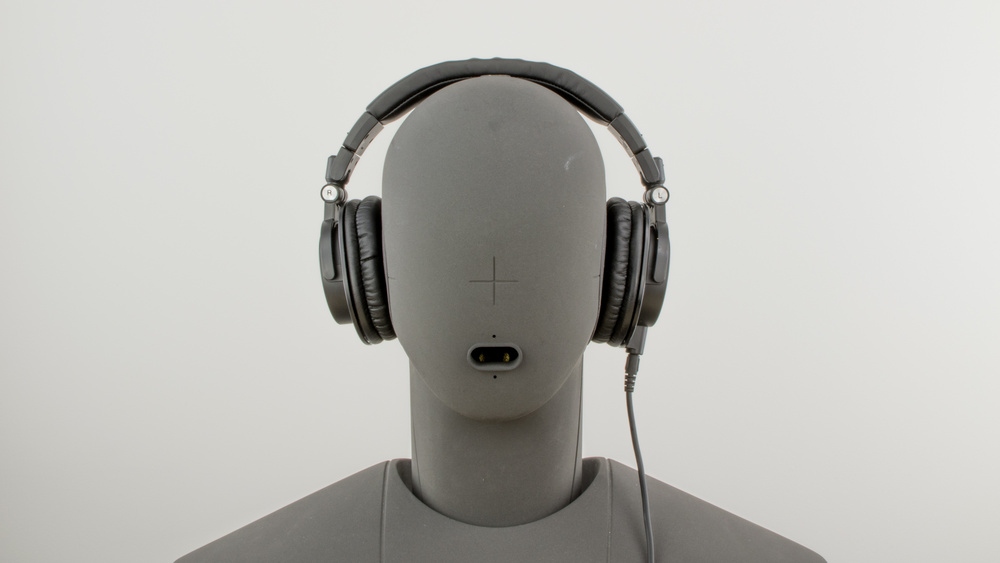
Over-ears usually combine a thick headband with large cups that surround the entire ear. They suit listeners who prioritize a comfortable, easily achieved fit over compact size. Their cups passively reduce some outside noise, while greater interaction with the pinna, or outer ear, can help create the impression of a larger soundstage.
On-ear headphones
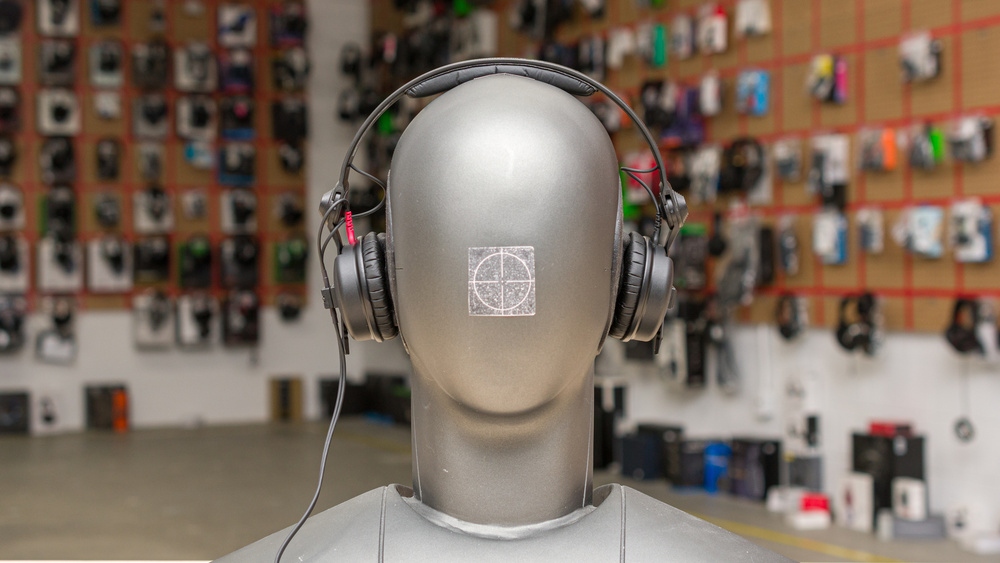
On-ears have smaller cups that sit directly on the ears. They are generally more compact than over-ears and produce slightly less bass. They offer a reasonably comfortable fit in a smaller package, and many appeal to DJs because rotating cups allow one-ear beat matching.
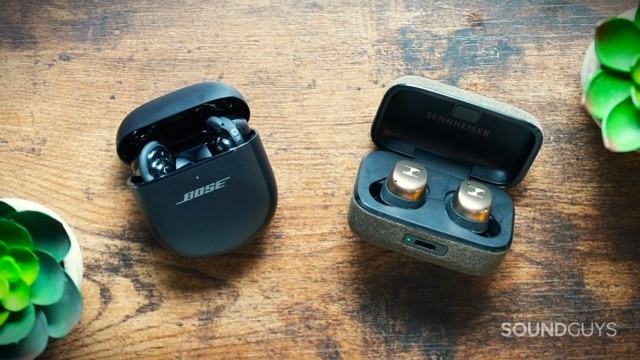
Earbuds
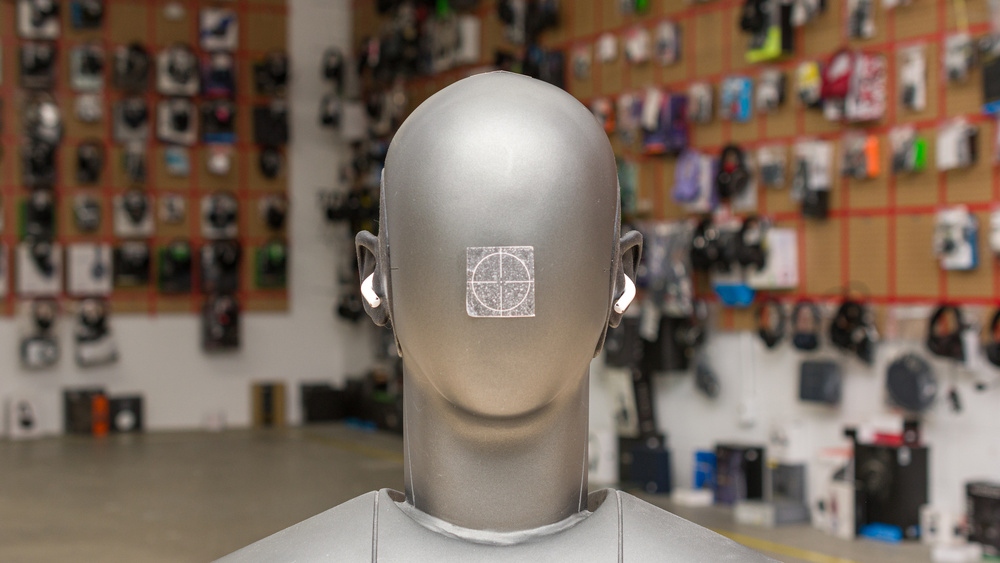
Earbuds are small, highly portable headphones whose tips sit at the entrance to the ear canal. Available in wired and wireless forms, they suit people who dislike inserting tips into their ears. Open-fit versions attach to the outer ear, often with stability fins.
In-ear headphones
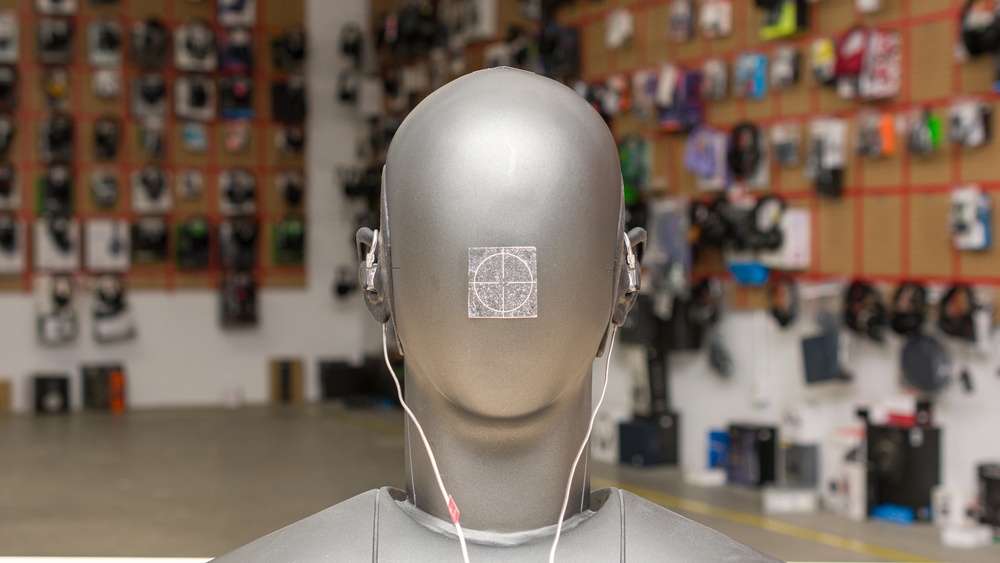
In-ears are similarly compact, but their tips enter the ear canal. They are also called in-ear monitors (IEMs), particularly when wired. Fitness-oriented versions may add stability hooks.
These headphones suit listeners who want portability and are comfortable with an inserted tip. By blocking the canal, they also provide passive isolation that can make concentrating easier.
Comfort
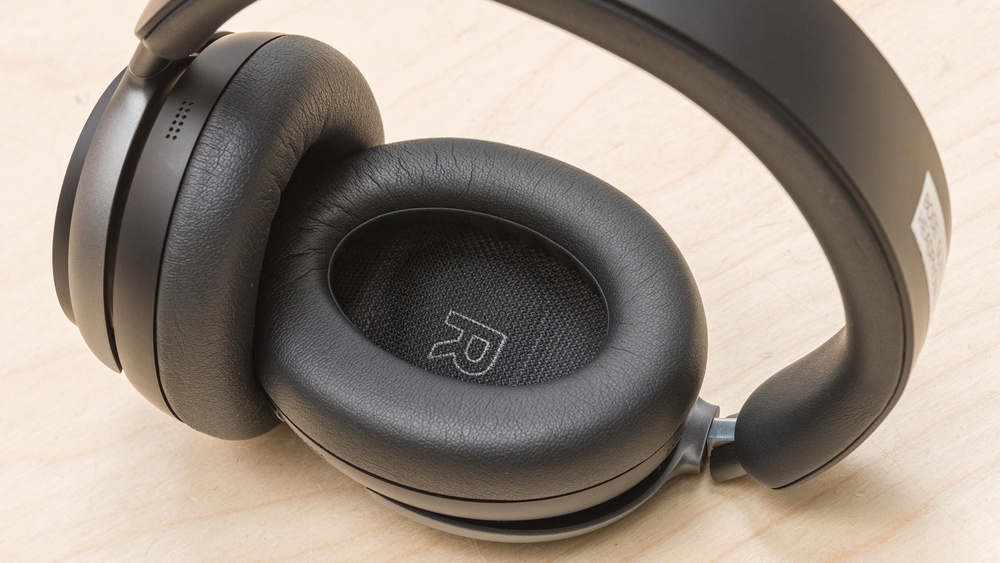
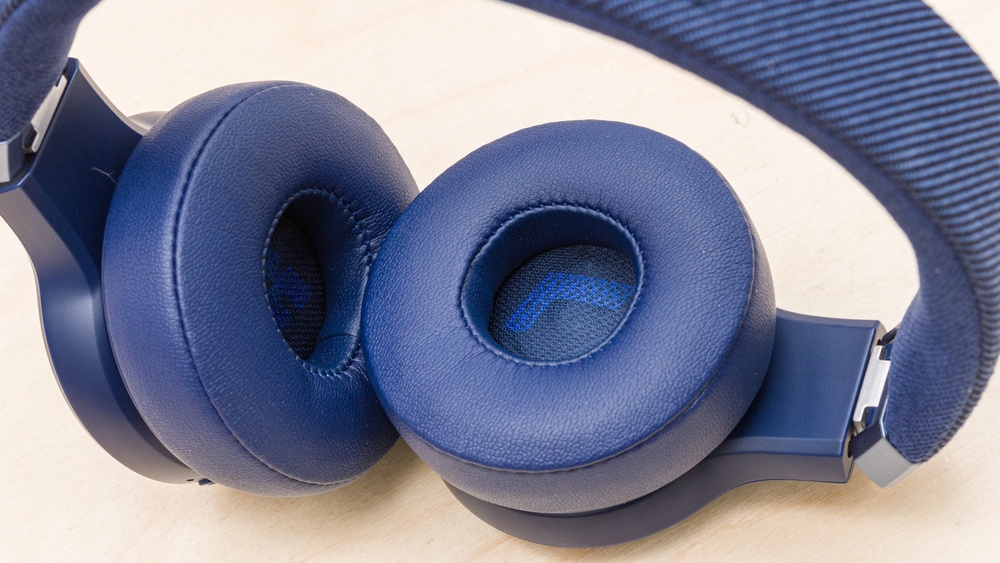
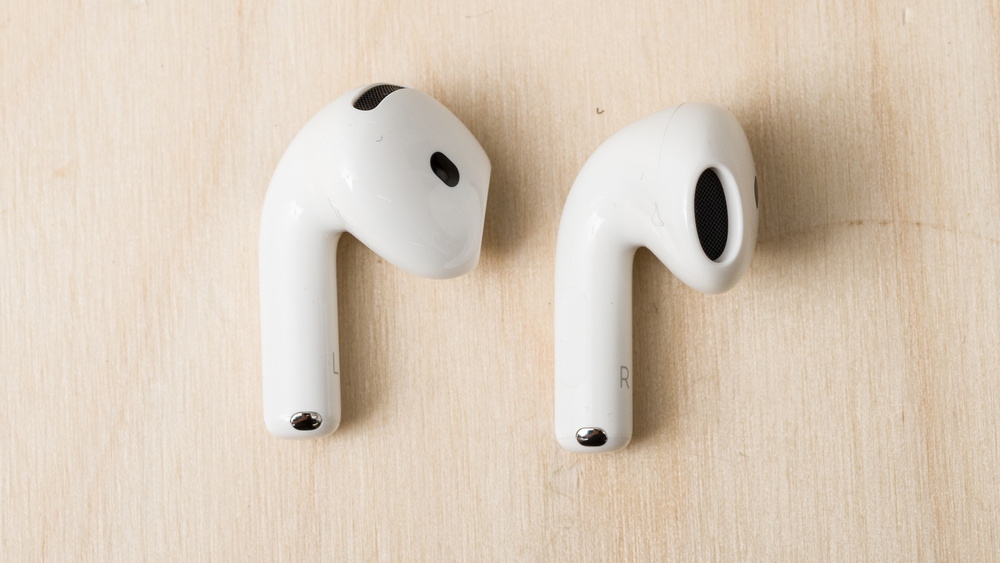
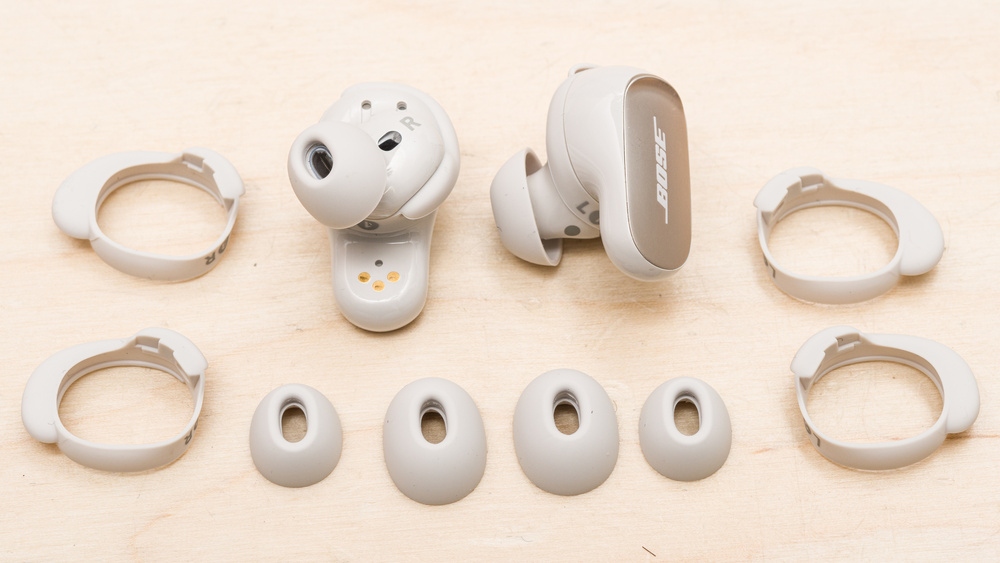
Comfort describes whether headphones remain wearable without pain, pressure, or fatigue over time. Head shape, ear size, and fit make this subjective, but it matters particularly for gaming, audio mixing, and long journeys.
Over-ears are generally the most comfortable. Their padding and surrounding fit put less pressure directly on the ears than on-ear cups. On-ears are often light and easy to wear, but pressing against the ears can become uncomfortable during extended sessions.
In-ear tips can feel intrusive, depending on sensitivity and fit. Earbuds avoid both canal insertion and a headband, applying little pressure, but an insecure fit can compromise comfort over longer periods.
Portability
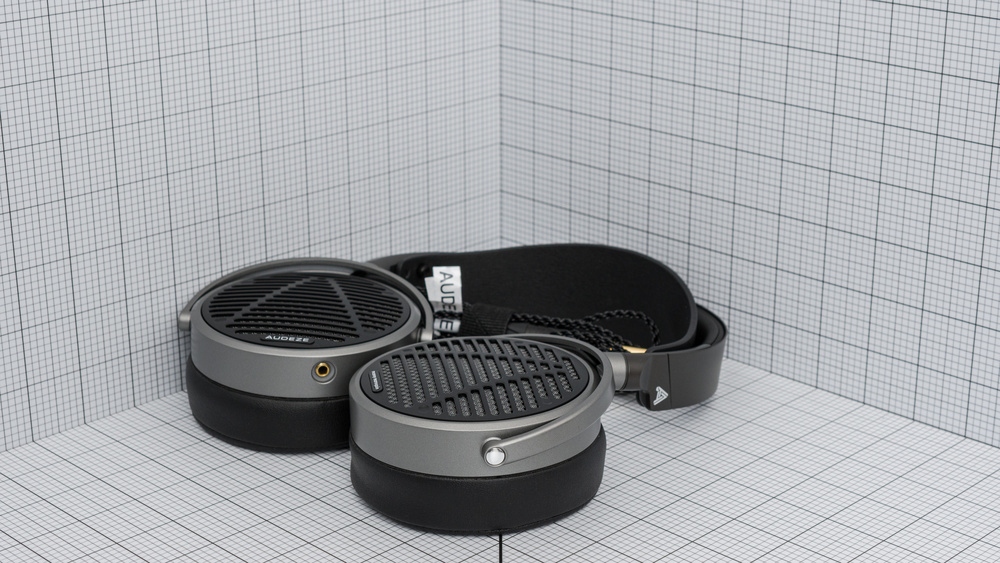
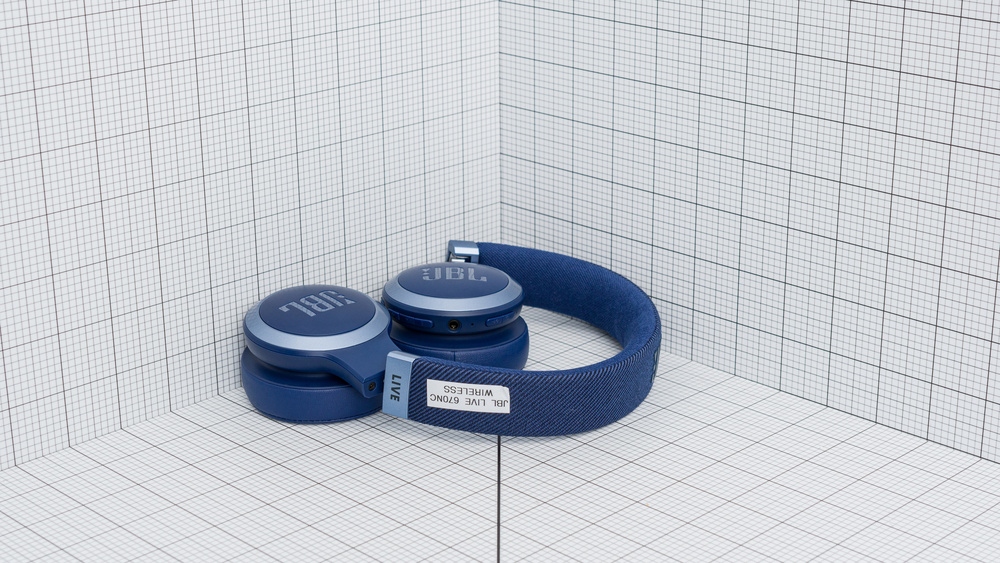


Portability depends on how much space headphones occupy, including when folded, and how convenient they are to carry daily. Cases and pouches vary between manufacturers and are not included in this comparison.
Earbuds and in-ears are the easiest to transport, fitting readily into pockets or bags. Over-ears take up the most room, even when foldable. On-ears vary in size but generally fall between over-ears and the two smaller designs.
Noise Isolation
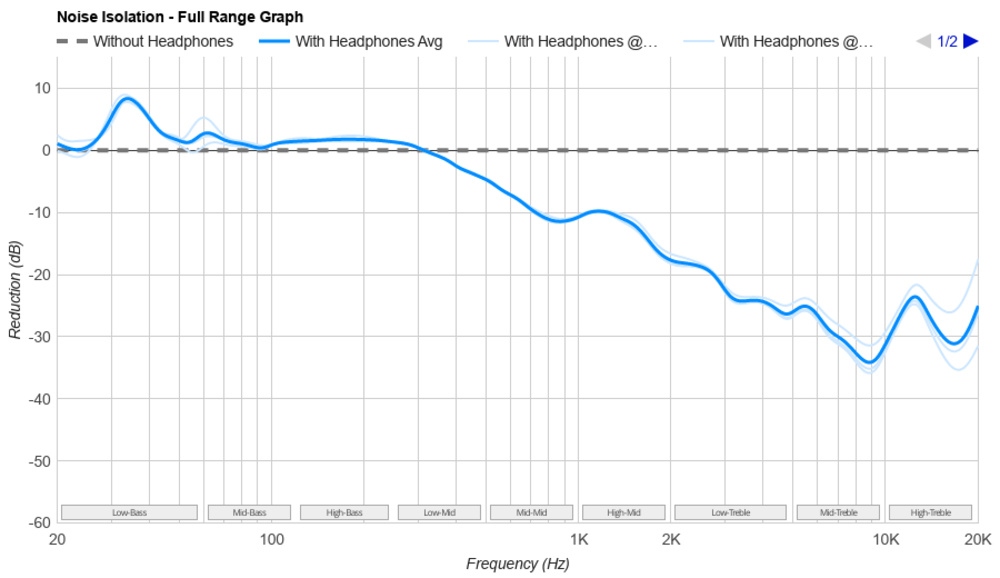
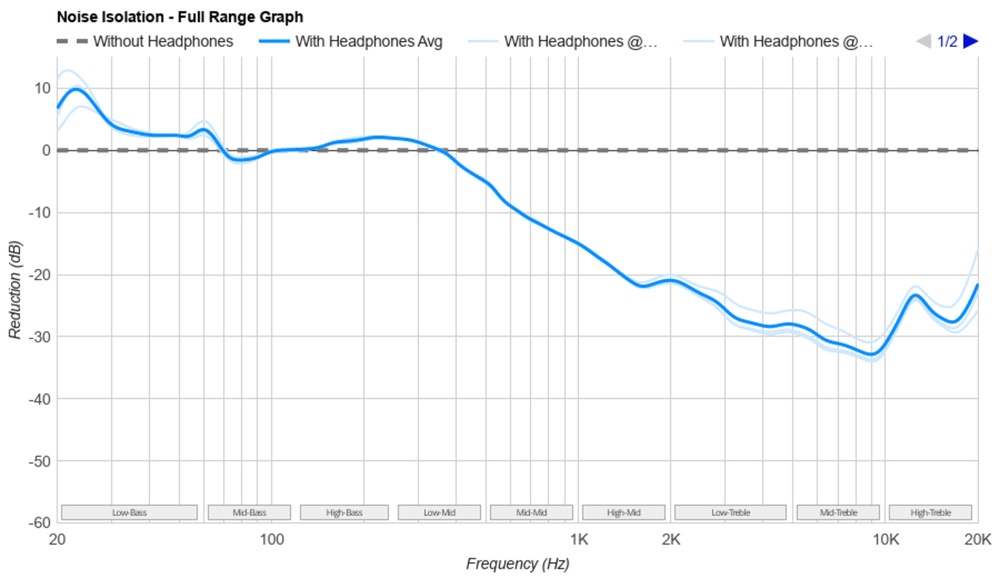
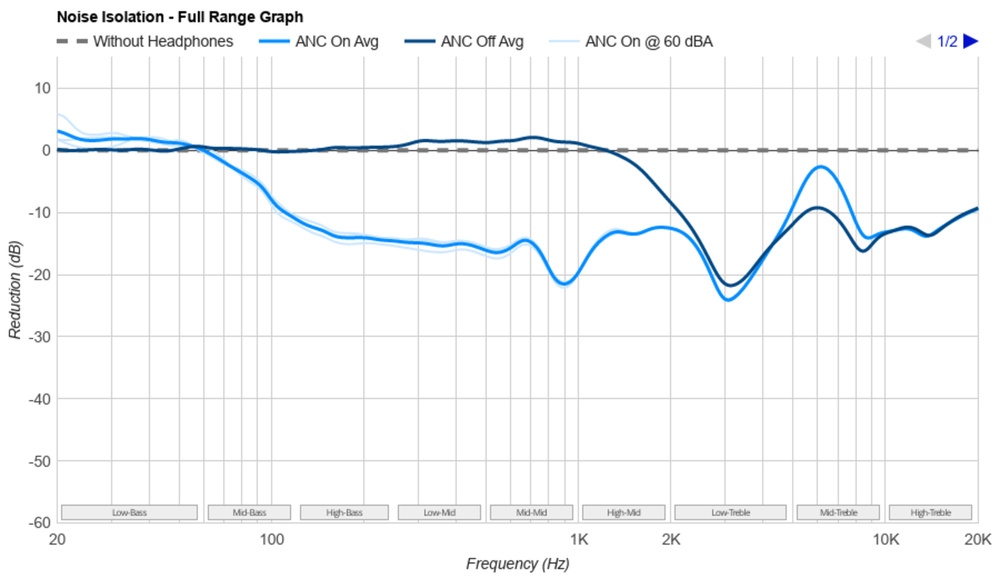
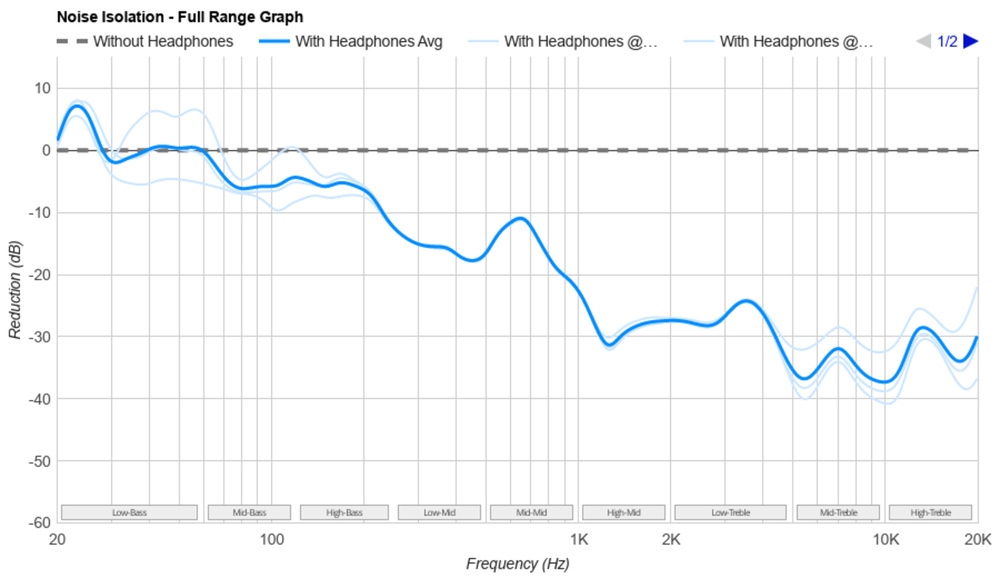
Noise isolation limits the ambient sound that reaches your ears. Here, the comparison concerns passive isolation from the headphones' physical design, not the additional effect of Active Noise Cancellation (ANC). Across headphone types, open-back designs admit more outside sound than closed-back ones.
In-ears generally provide the strongest passive isolation, provided they fit properly. Their seal is especially effective against high-frequency noise, but achieving it can be difficult; a poor fit lets outside sound through.
Over-ears rank next, blocking a reasonable amount of ambient noise without active cancellation. On-ears usually seal less effectively because their smaller cups rest against the ears. They still offer more protection than earbuds, whose small surface area and unsealed canal entrance make them the weakest isolators.
Sound Leakage
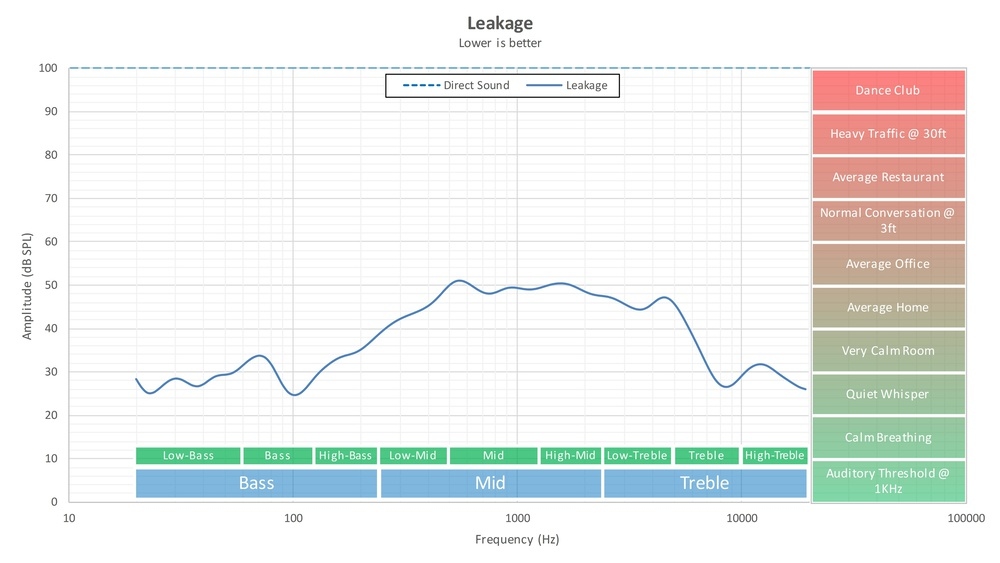
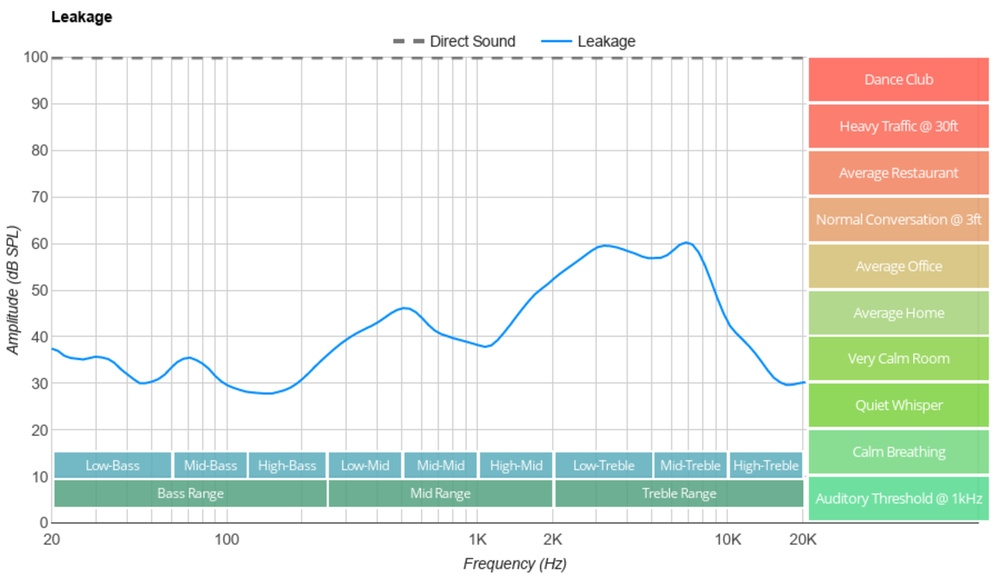
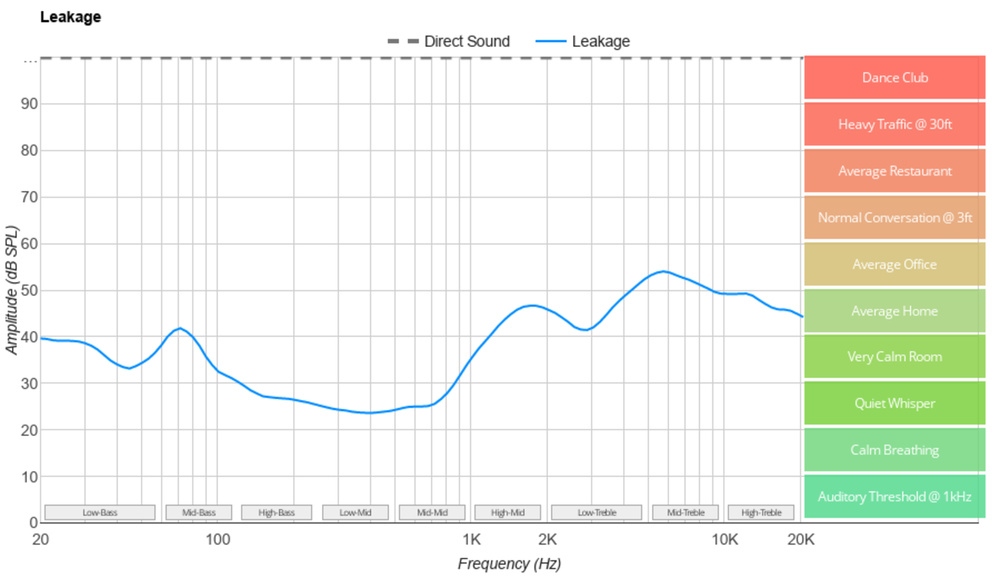
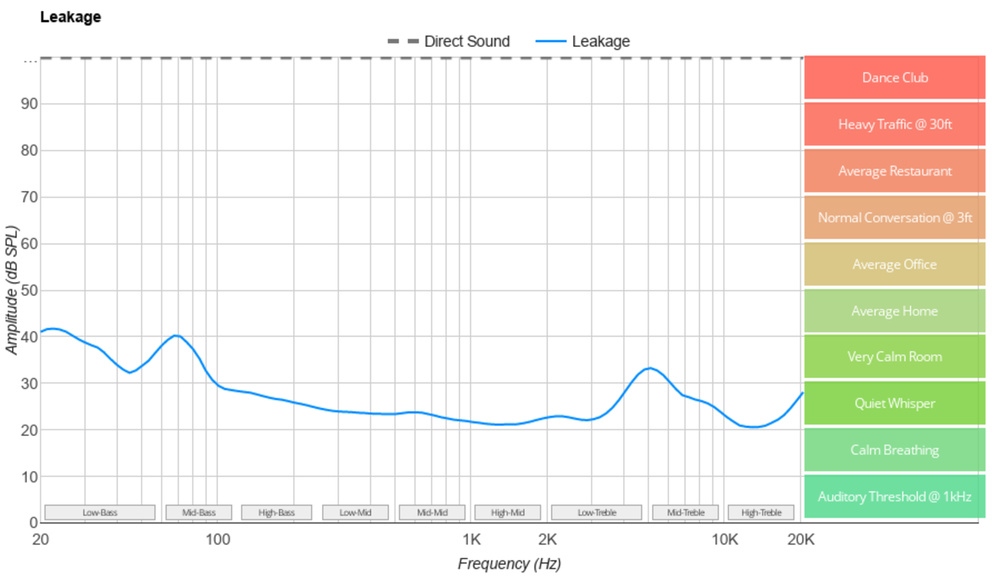
Leakage is audio that escapes around the cups or tips. At high listening volumes, it can disturb people in libraries or nearby on public transport and at the gym. During recording, nearby microphones may also pick up headphone bleed. Escaping mids and treble are usually more noticeable than bass.
The source's testing found in-ears least likely to leak. Small drivers positioned inside the canal need less power for the same perceived loudness, while a tight seal helps contain the sound.
Over-ears have larger drivers capable of high output. With a poor seal, they can leak a broader frequency range than other designs. Closed-back models intended for professional audio use, such as the Audio-Technica ATH-M50x, generally contain sound better than open-back models, whose porous cups deliberately allow sound through in both directions.
Earbuds have small drivers close to the canal and are not very loud at a distance. However, without an inner-ear seal, they typically leak more than in-ears. On-ears usually leak slightly more than over-ears and earbuds, though results vary considerably by design.
Stability During Exercise
Some headphones add hooks or fins to stay secure during sudden movements and strenuous exercise. Hook-equipped buds anchor around the ear and are usually light enough to avoid excessive pressure during long workouts. They are particularly popular among runners, endurance athletes, and people who cannot get standard buds to stay put.
In-ear and open-fit options with stability hooks
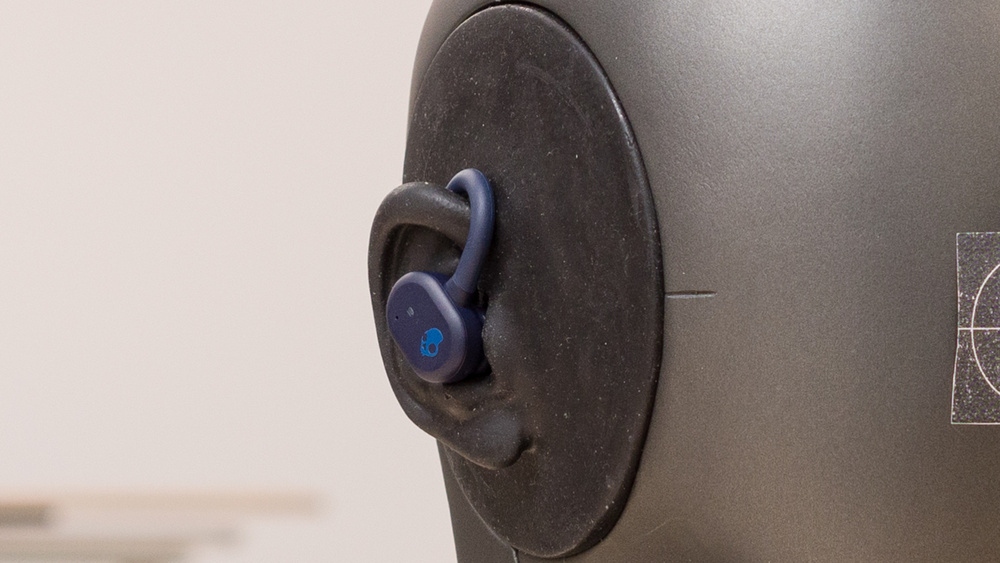
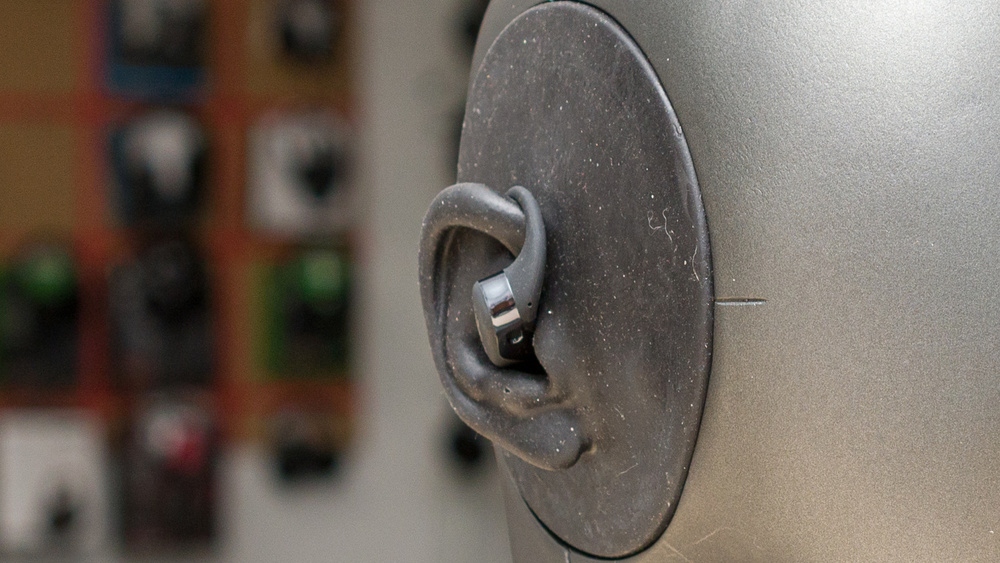
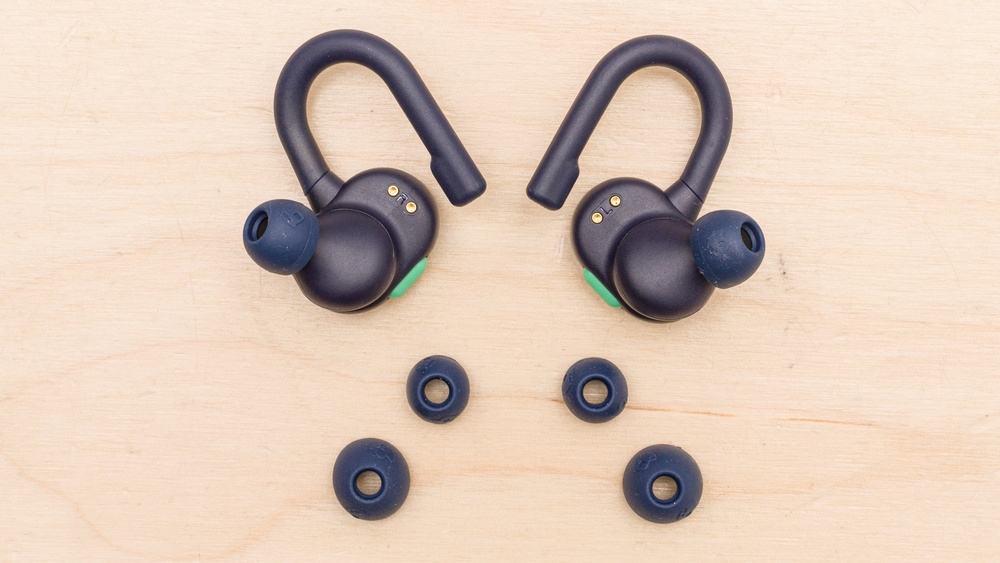
The Skullcandy Push Active True Wireless illustrate the in-ear approach:
- Ear tips provide some passive noise isolation.
- Hooks wrap around the ears for additional security.
- The inserted fit is unsuitable for listeners who dislike in-ears.
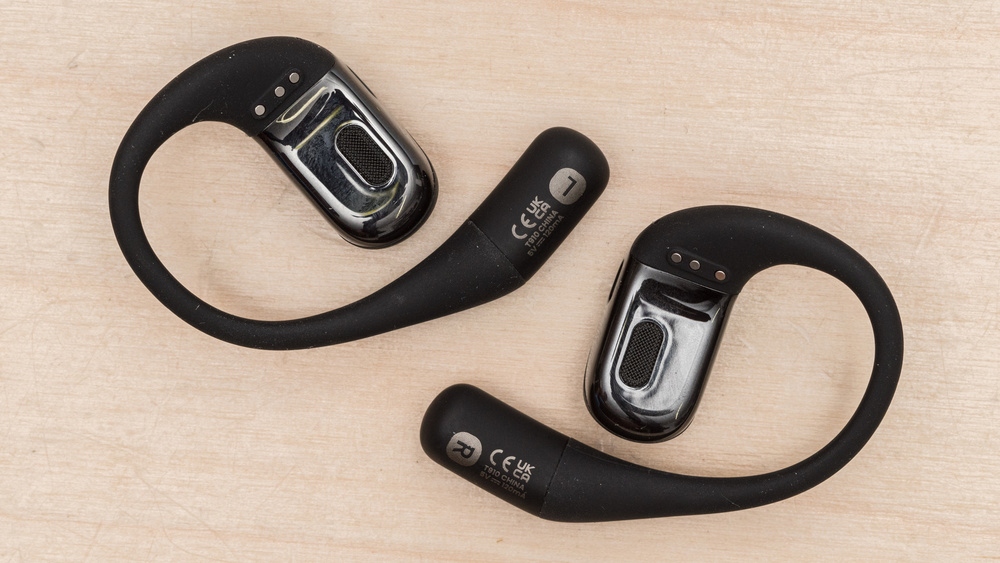
The Shokz OpenFit True Wireless illustrate the open-fit alternative:
- The drivers remain outside the ear canals.
- The design deliberately admits outside sound.
- Hooks around the ears improve stability.
Hook-equipped in-ears retain the basic design of ordinary in-ears, adding fins or over-ear hooks for security. Open-fit models instead prioritize awareness for runners and athletes. Their openness lets in plenty of surrounding sound but makes bass and treble harder to reproduce, resulting in a mid-forward presentation.
Bone conduction and conventional designs
Bone conduction headphones have also become more popular. Their advantages and drawbacks resemble those of open-fit buds, but they bypass the ears by transmitting gentle vibrations through the skull. Models such as the Shokz OpenRun Pro 2 Bone Conduction combine conventional dynamic drivers with bone conduction to reduce the uncomfortable vibrations that can occur at high volumes.
Ordinary wireless in-ears can also work well for exercise when a good seal keeps them from shifting. Wireless designs are generally preferable for workouts because cables can catch on clothing or equipment. Standard earbuds may work if secure, though sweat can loosen them.
Over-ears and on-ears remain options for the trail or gym, but they can move out of position. Their pads do little to wick away sweat, and leather or faux-leather pads can increase sweating.
For exercise stability, in-ears with stability hooks are the strongest choice. If inserted tips are uncomfortable, open-fit buds or bone conduction headphones are alternatives, provided hearing your surroundings is acceptable. Regular wireless in-ears are another good option with snug tips; other designs carry more substantial compromises.
Sound Quality
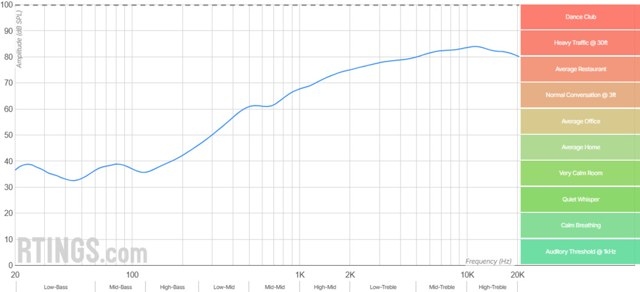
Sound quality depends much more on the individual model than on the headphone category. A good pair of earbuds can outperform mediocre over-ears, and the reverse is equally possible. Although design affects particular aspects of reproduction, its overall relationship with quality is weak.
Larger drivers, including planar magnetic drivers in over-ears, often deliver better bass with lower harmonic distortion. On-ears and standard earbuds sit farther from the ear canal and may have less impactful bass.
Open-ear and bone conduction designs are a stronger exception: their construction is closely associated with poor reproduction. They can struggle to reproduce the full spectrum clearly, deliver bass, or reach higher volumes without audible distortion.
Listening is subjective, so trying headphones is the best way to determine which type sounds right to you. Over-ears can create a more spacious presentation through greater interaction with the pinna, but that does not guarantee you will prefer them.
Matching the Design to Your Priorities
- Over-ears: A good fit for comfort-focused listeners who accept bulk. They generally block a reasonable amount of noise but may leak enough sound to disturb others. Wireless versions tend to offer the longest battery life.
- On-ears: A more compact alternative with a good level of comfort, but usually mediocre isolation and noticeable leakage. Wireless models can still provide long battery life.
- Earbuds: Easy to carry in a pocket or purse and useful for people who dislike inserted tips. The source's overall recommendation characterizes their leakage as low enough not to disturb nearby listeners. Battery life is generally shorter, though charging cases can hold extra charges.
- In-ears: Highly portable, with substantial isolation and little leakage when properly fitted, making them suitable for offices and libraries. Wireless battery life tends to be shorter, but many cases provide additional charges.
- In-ear or open-fit models with stability hooks: Suited to running, workouts, and gym sessions. Choose in-ears for some outside-noise reduction and a more balanced sound. Open-fit models better suit environmental awareness and mid-range-focused material such as podcasts.
These tradeoffs help narrow the choice, but no category guarantees better sound: the model matters more than the design alone.
Recent Updates
13-06-2025: The article was rewritten to reflect the source's latest test benches and offer more useful guidance.