 | 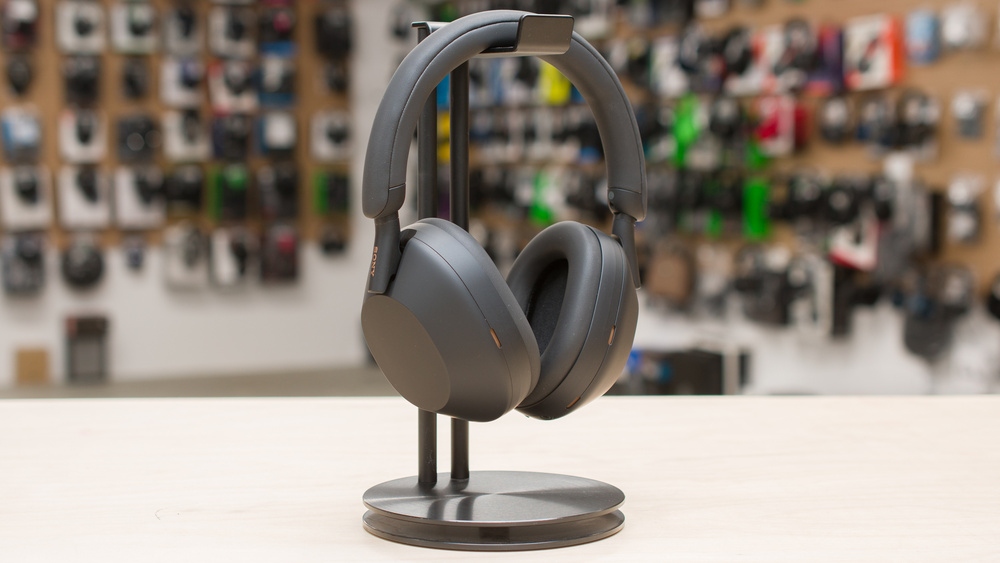 | 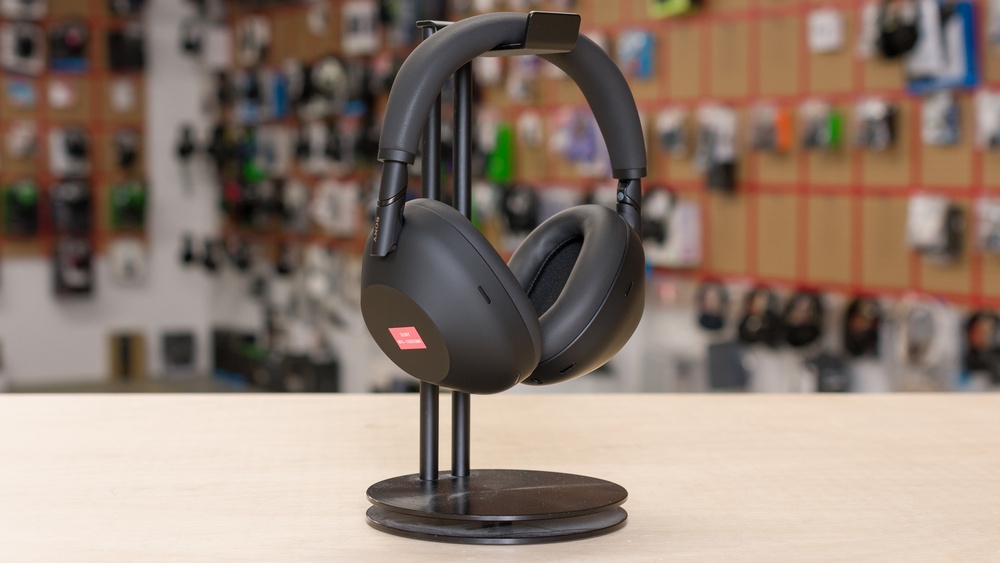 |
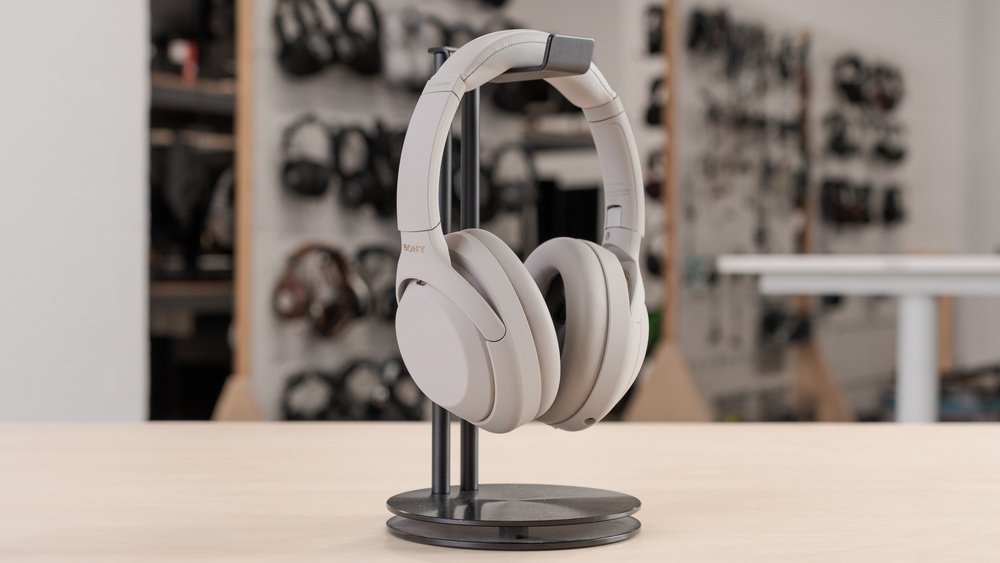
Sony’s flagship WH-1000XM headphones combine wireless features with noise cancellation. Three generations arrived within five years, each identifiable by its model name: “WH” denotes over-ear headphones, and the final number in “-1000XM#” identifies the generation. Blocking outside sound remains a central selling point, with Sony advertising an “incomparable” and “distraction-free” experience.
This comparison follows ANC development across the Sony WH-1000XM4 Wireless, Sony WH-1000XM5 Wireless, and Sony WH-1000XM6. It also examines fit, construction, sound, and price to assess whether the newest model is necessarily the best choice.
Noise Isolation
How ANC Works
Active Noise Cancellation (ANC) complements, rather than replaces, the passive isolation provided by a physical seal. Earbuds and earmuffs suppress noise through that seal alone; ANC adds microphones and electronic processing.
Microphones outside or inside the ear cups—or both on higher-end designs—capture sound for the ANC chipset to analyze in real time. The system produces a similar sound wave with its phase inverted. Played through the headphones, this “anti-noise” cancels the original through destructive interference before it reaches your ears.
Competition has driven rapid advances over the past decade, and Sony’s XM over-ears have consistently ranked among the stronger performers.
How the Source Tests Isolation
The source uses two assessments: Noise Isolation (Full Range), which measures suppression of full-range pink noise, and Noise Isolation (Common Scenarios), which uses recordings of everyday environments to evaluate responses to less consistent sounds. Its Noise Isolation test article and Test Bench 1.7 R&D article provide further background on ANC and passive isolation testing.
Sony’s Adaptive ANC Hardware
Sony reveals little about the specifics of its adaptive processing, but microphone counts have increased: the XM4 have four, the XM5 eight, and the XM6 twelve. More microphones can help identify external frequencies to cancel, although quantity alone does not determine performance. The competing Bose QuietComfort Ultra Headphones Wireless use an eight-mic array.
All three Sony models use hybrid adaptive ANC. External microphones monitor the environment, while internal microphones assess sound reaching the ear. Continuous adjustment aims to maintain consistent cancellation as ambient noise changes.
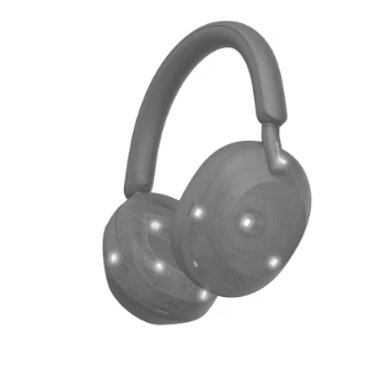
The XM4 and XM5 use the QN1 processor; the XM6 introduce the QN3. Sony says the newer chip is seven times faster, a claim the source could not verify. The test results offer a separate measure of how much isolation improved over the five years between the XM4 and XM6.
Noise Isolation (Full Range)
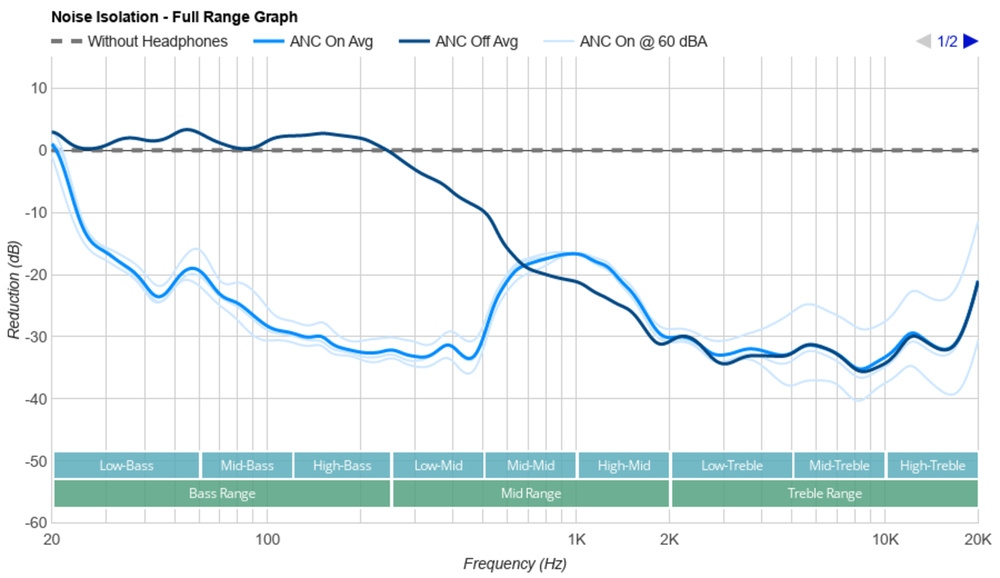
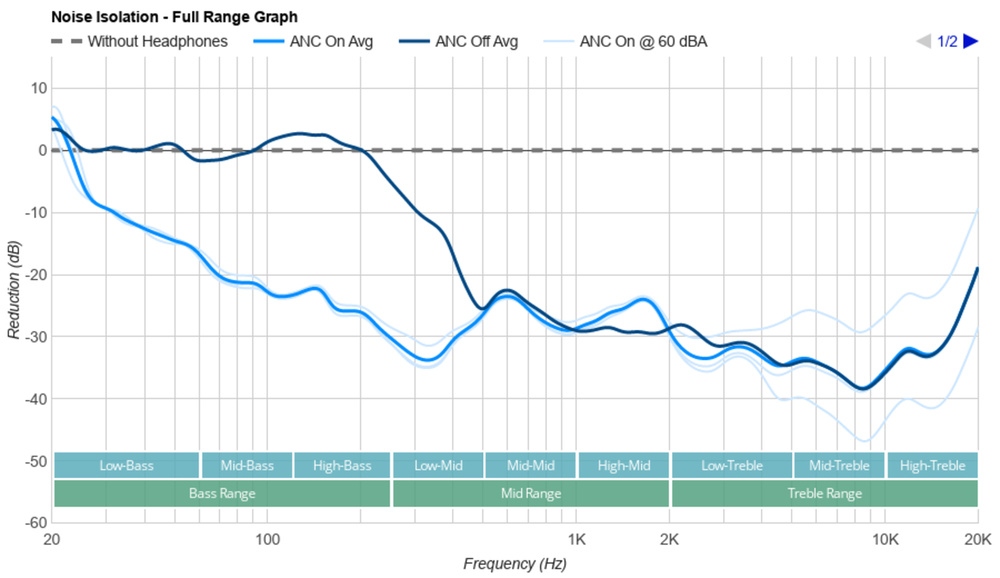
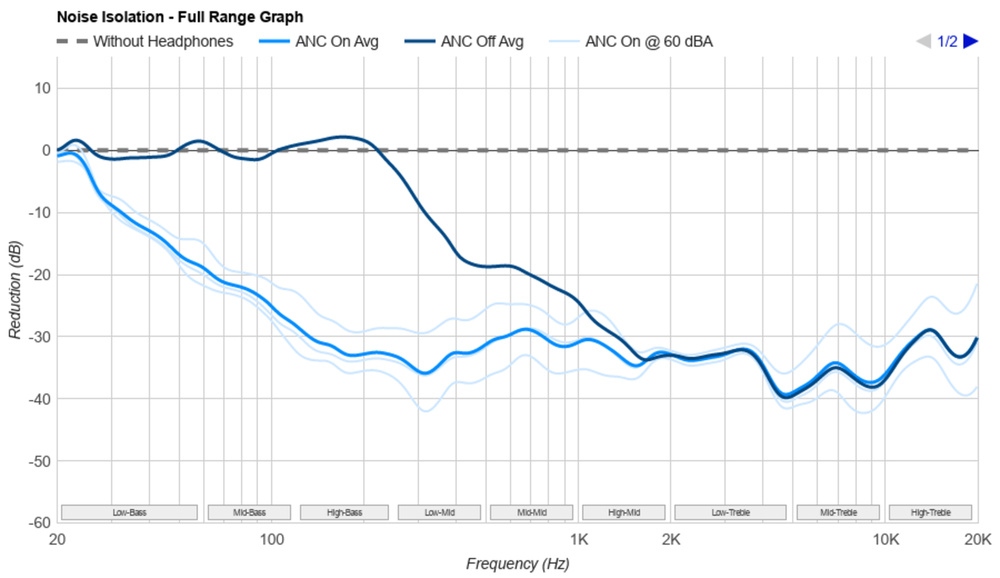
This assessment uses pink noise rather than the sine sweep employed in earlier methodologies. Adaptive ANC needs a few seconds to respond to an external signal, and pink noise gives it that time, making the results more representative of real-world operation. The test also reveals differences across frequency ranges.
 |  |  |
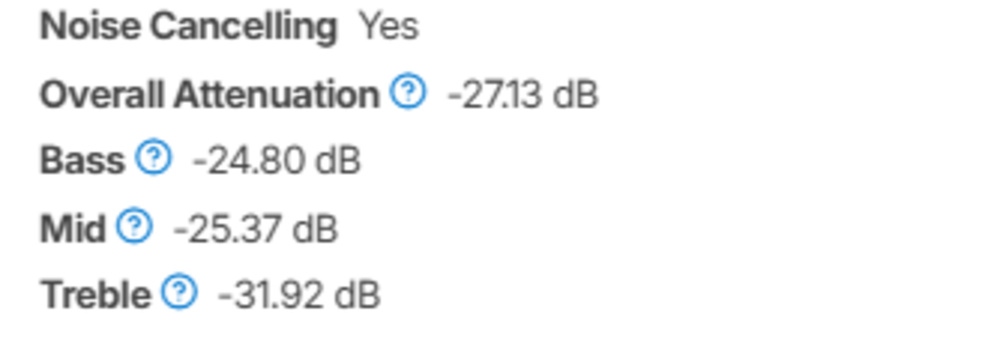 | 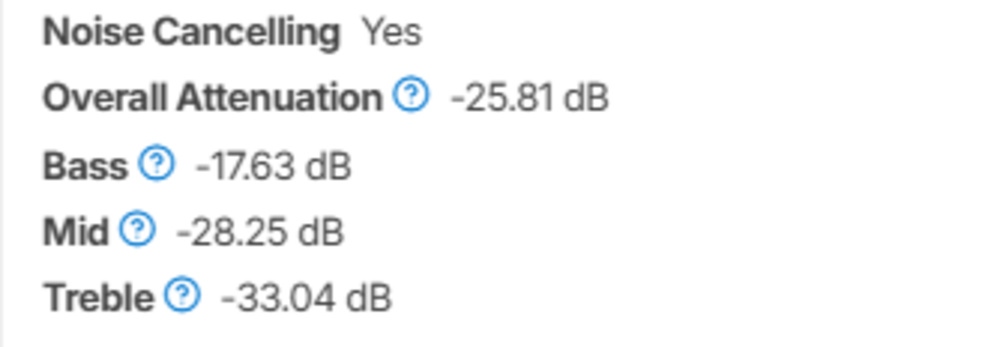 |  |
All three perform strongly. With their latest firmware installed, the XM4 and XM5 are nearly matched. The XM6 rank among the best tested, but a 0.2-point difference is small and is unlikely to stand out in everyday listening.
The newer model suppresses more midrange and treble noise, while the XM4 still beat it at reducing bass. That distinction could matter when blocking low-frequency construction noise, such as jackhammers outside a window.
Noise Isolation (Common Scenarios)
Pink noise is useful for measurement but does not resemble most daily listening environments. The common-scenarios assessment instead uses recordings of a busy street, an office, and an airplane cabin. Its graphs show attenuation and scores for each environment, plus an average across all three.
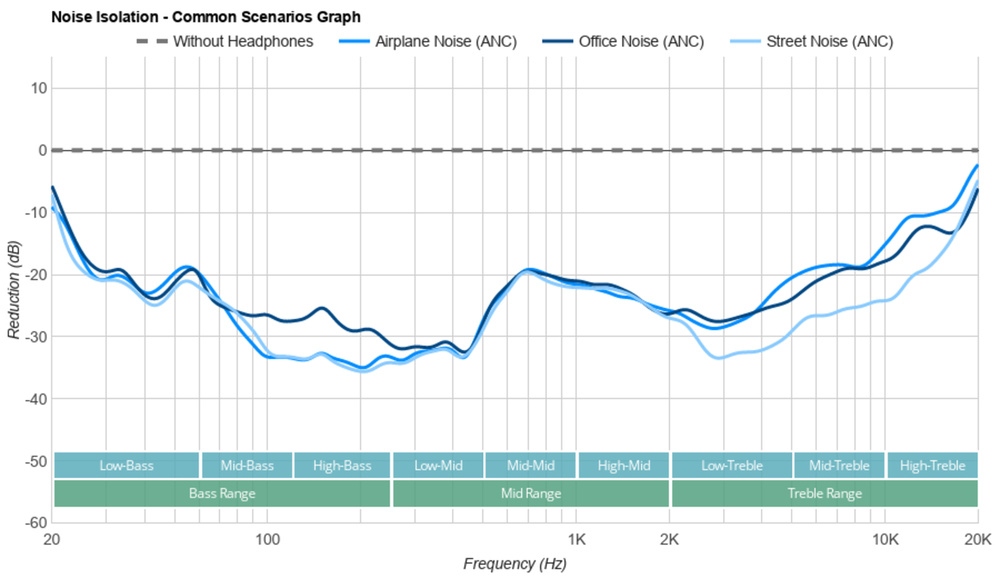 | 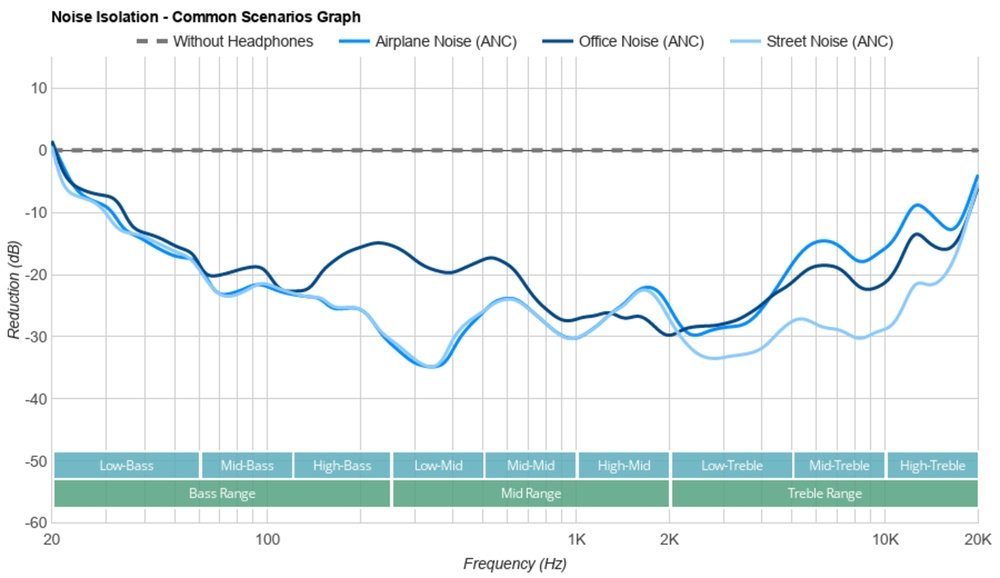 | 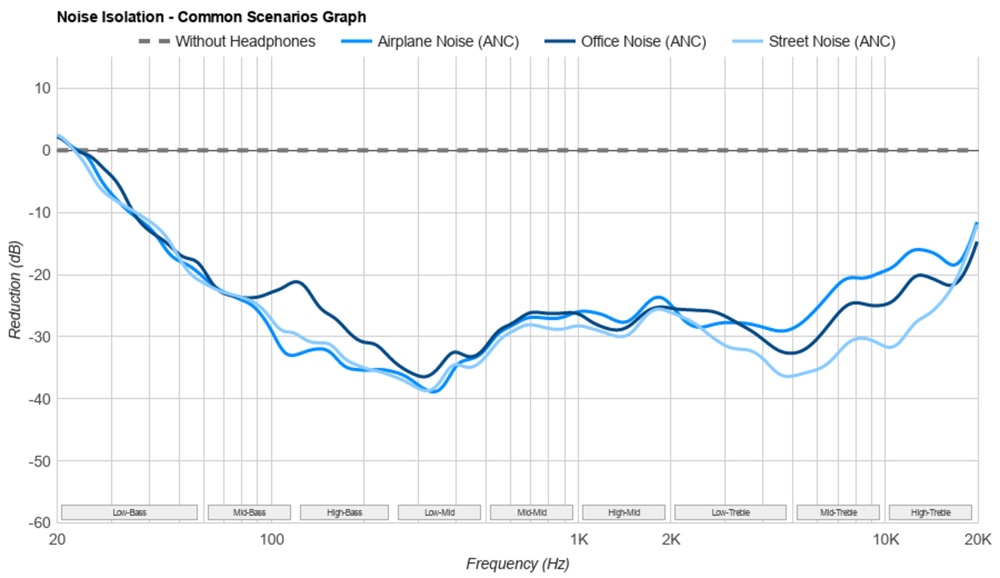 |
The ranking resembles the full-range results, although the XM5 fall farther behind here. The XM6 remove substantial noise across common settings and lead both assessments. Nevertheless, the score differences may be less apparent in day-to-day use, and isolation scores alone do not capture every practical limitation.
Wind Noise
Wind can cause an irritating screech through ANC headphones. What you hear is not the wind itself, but anti-noise generated by the cancellation system, which struggles with this interference. Some headphones include a dedicated wind noise reduction feature to address it.
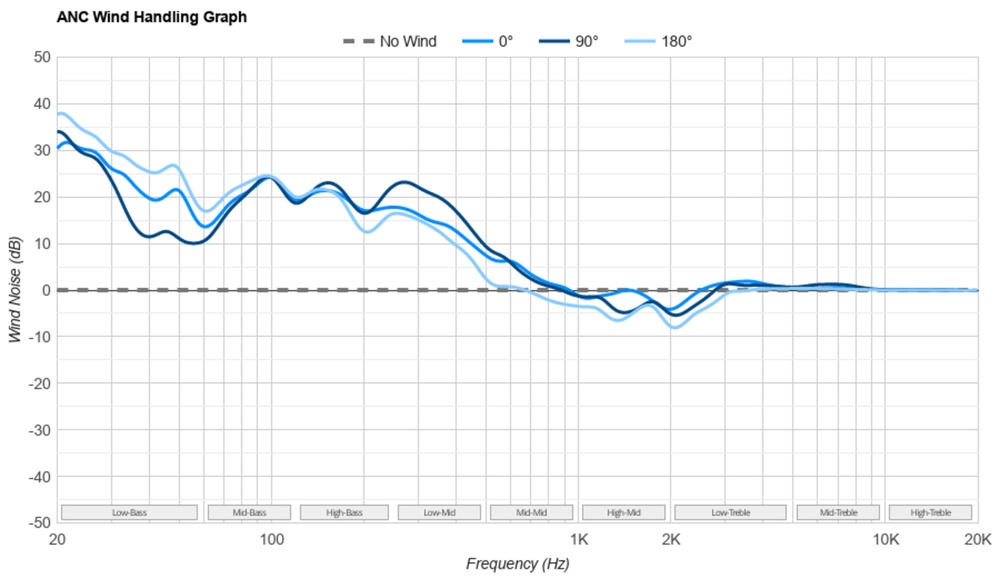 | 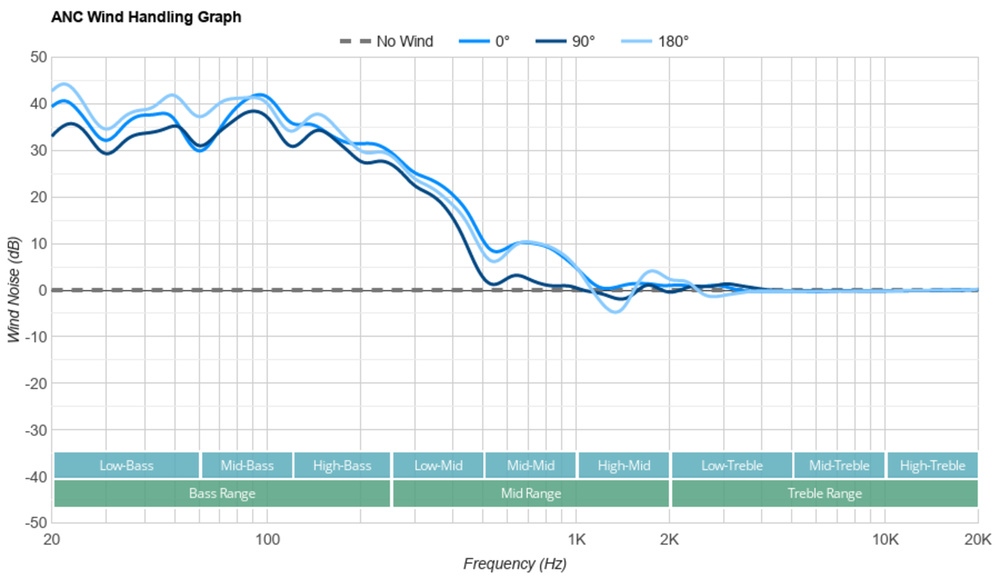 | 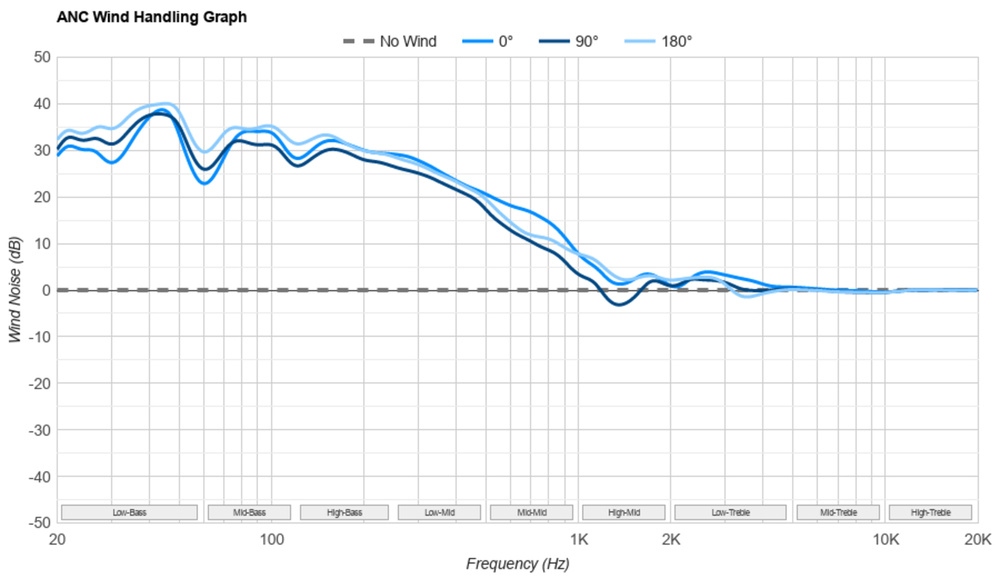 |
Of these three models, only the XM4 offer that feature, and they handle wind most effectively. It may not determine the choice for a typical commute, but it deserves consideration if you live somewhere windy.
Ambient Sound and Transparency
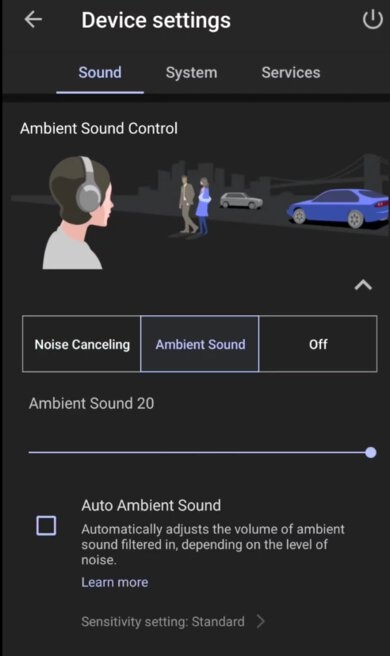
Transparency, talk-through, and Sony’s Ambient Sound describe modes that let external audio through the headphones. They help when you need awareness of your surroundings, such as during a run, or want a brief conversation without removing the headphones.
The source does not yet formally test transparency quality. Its subjective assessment after extended use found that none of these Sony models reproduce outside sound as naturally as Apple headphones such as the Apple AirPods Max. Sony’s Ambient Sound has a boxy, distant character, though each generation has improved incrementally.
All three provide a physical button to switch between noise cancelling and Ambient Sound, plus adaptive features that vary the balance with environmental noise. Only the XM6 allow manual transparency adjustment on a scale of 1-20. The XM4 and XM5 rely on adaptive transparency, which generally works as intended but is not infallible; manual control provides a useful fallback.
Why Fit Consistency Matters
On isolation results alone, the order is XM6, XM4, then XM5. Fit complicates that ranking. Frequency Response Consistency (FRC) measures how reliably headphones reproduce audio across placements and fits, revealing their sensitivity to positioning and seal.
Head shape and size, ear size, glasses, and thick hair can all disrupt the seal. That changes sound reproduction and can weaken both passive isolation and active cancellation.
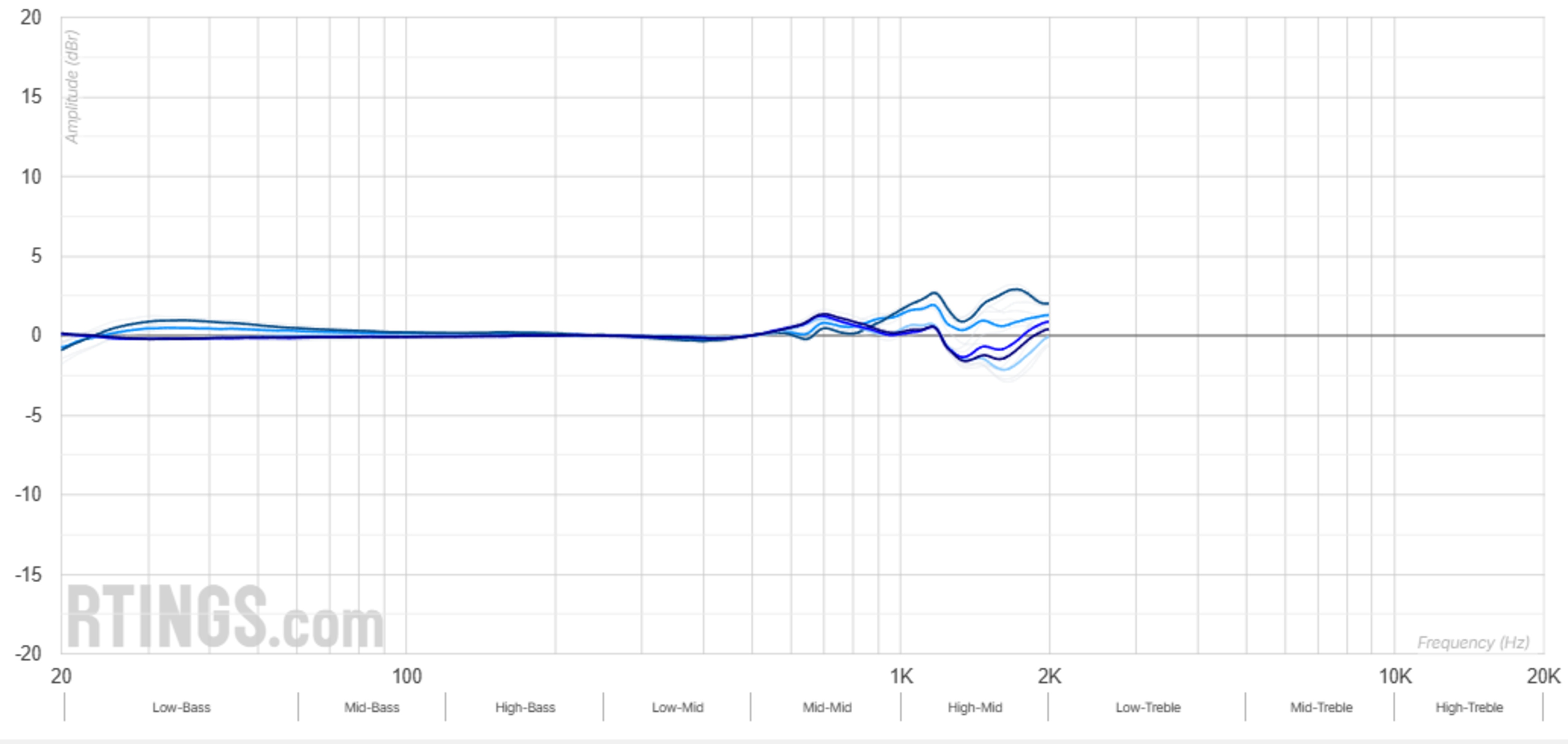 | 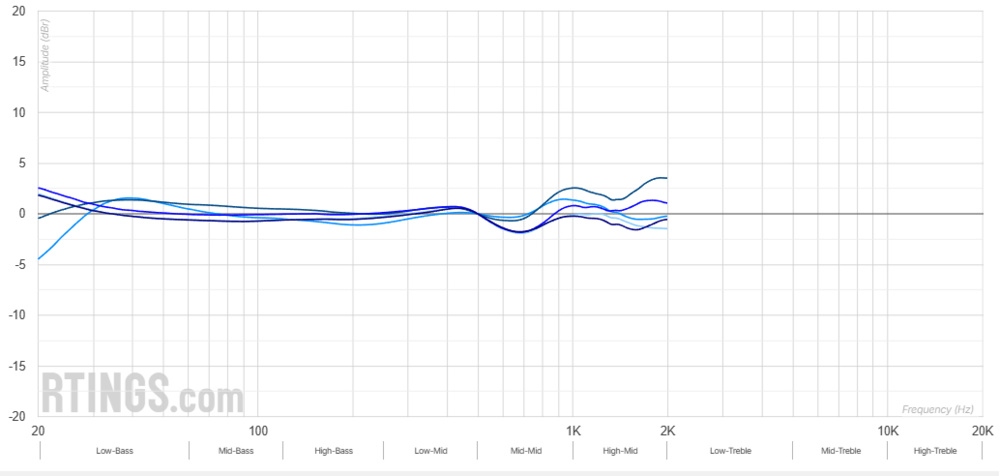 | 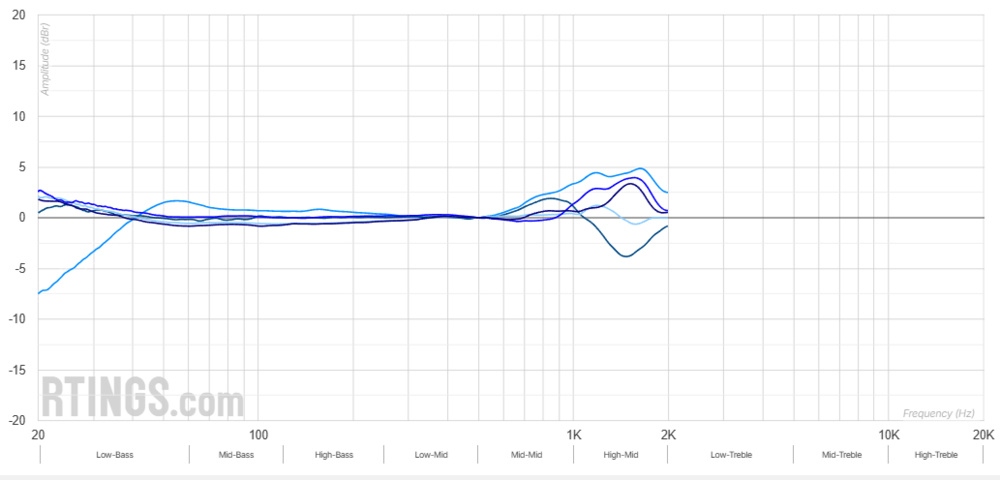 |
These graphs average three test passes on human subjects representing five characteristics: small, medium, and large heads, glasses, and long hair. Enlarging each graph reveals which characteristic each curve represents and the three passes behind its average.
Although FRC primarily describes sound changes, it also indicates how reliably a model maintains a seal. More consistent sealing generally supports more dependable passive and overall isolation across users.
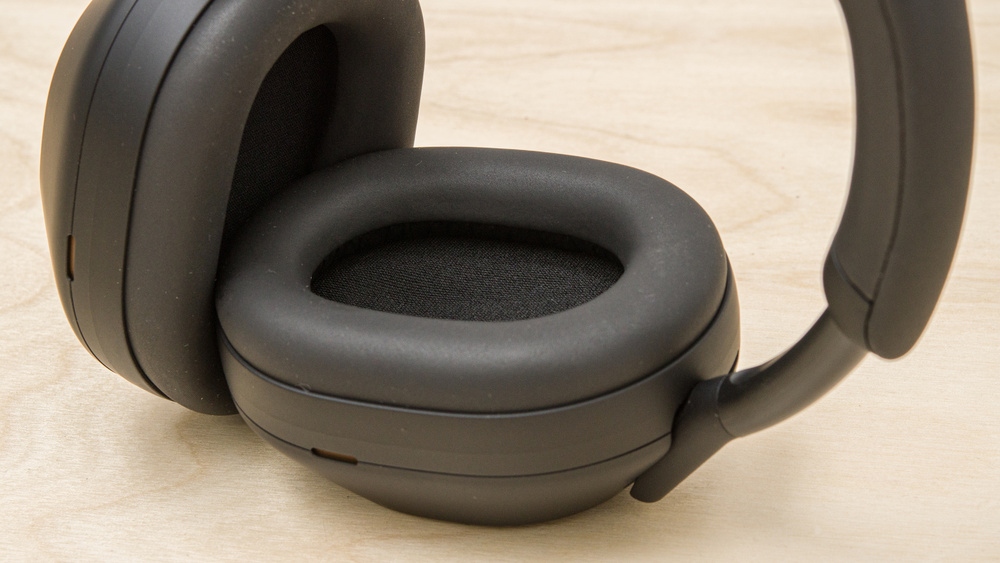
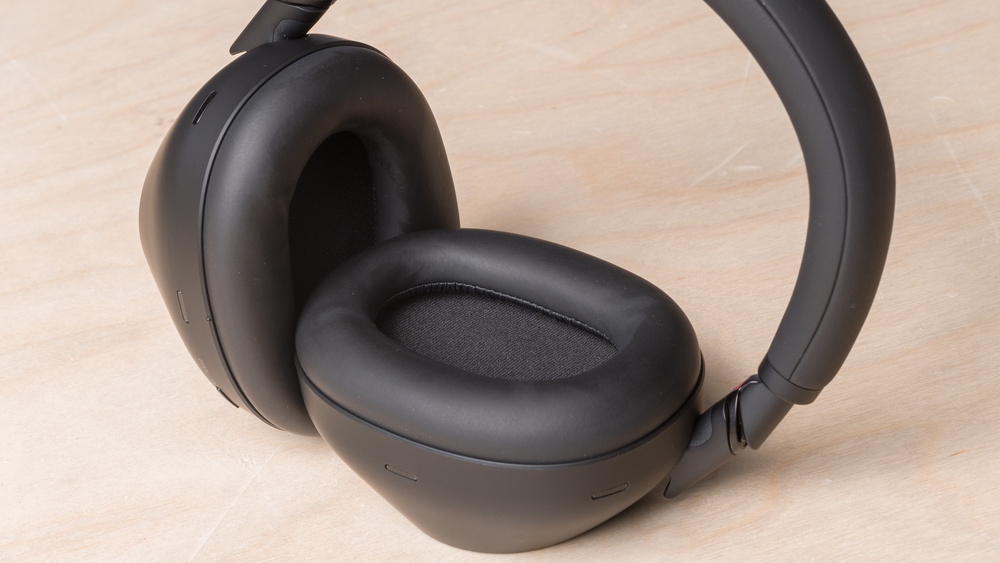
For example, the XM6 lose noticeable bass with glasses, suggesting a compromised seal that may also reduce isolation. The XM4 maintain a more consistent seal across subjects. The XM6’s softer, less spongy earpads are a major factor: compared with the XM5’s pads, they deform more readily around glasses arms.
 |  |
Design, Comfort, Sound, and Cost
Appearance
Sony has retained a recognizable style: smooth, rounded ear cups, mostly plastic construction, and monochrome finishes. Color choices vary, but all remain relatively restrained, with satin or matte surfaces.
The XM4 have exposed hinges, while the XM5 use a one-piece design connecting the ear cups directly to the headband. Both models’ hinges are prone to cracking. The XM6 adopt a sturdier folding and swiveling design with metal hinges. Despite these structural changes, anyone who likes one model’s appearance will probably find the others familiar.
Construction
Build quality is generally good throughout the series, with predominantly high-quality plastic. The XM5 are most vulnerable to damage because their hinges often snap; the source cites a Reddit poll on the issue as evidence of its prevalence. Limited replacement-part availability compounds the problem. The XM6 move toward parts that are easier to replace.
Comfort
The XM6 are comfortable, and their redesigned headband improves on the XM5. Neither, however, matches the XM4’s comfort in the source’s assessment. Anatomy makes comfort subjective, but the XM4 generally put less pressure on the ears. Their fit also often produces a better seal, supporting ANC performance.
Sound Character
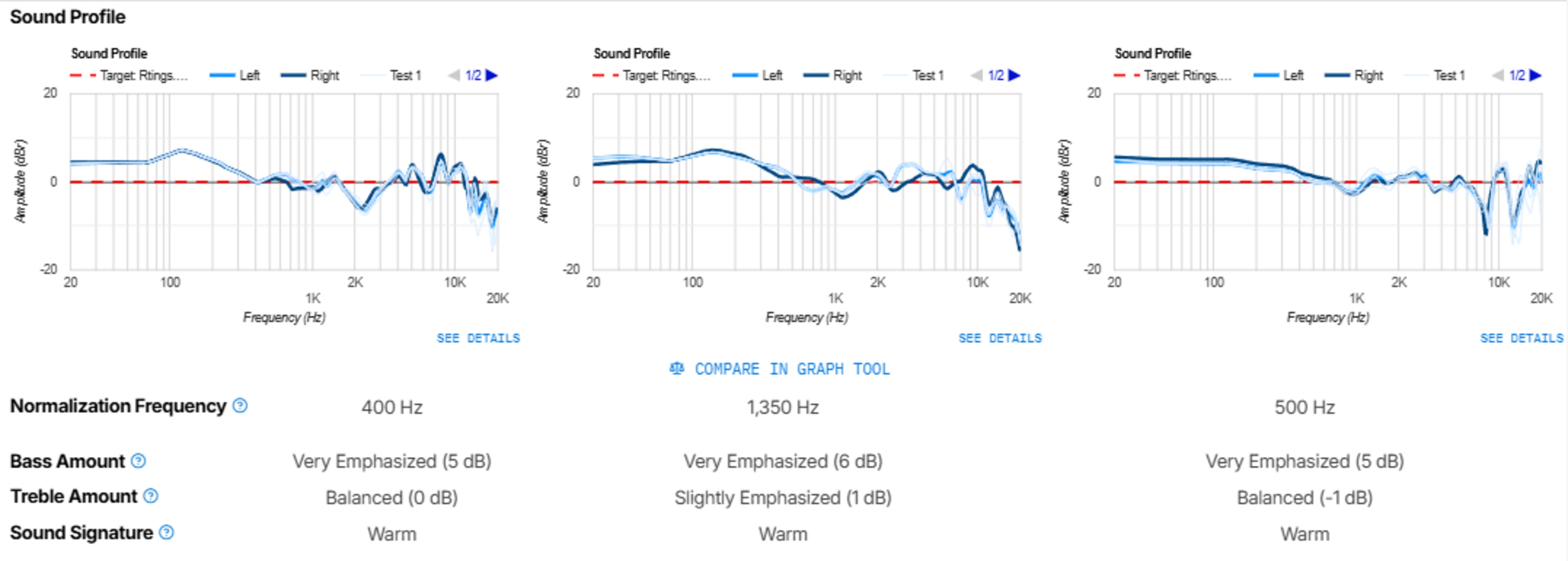
All three include graphic EQs and presets for adjusting their frequency response. The XM4 and XM5 offer 5-band EQs, while the XM6 expand this to 10 bands for finer control.
Each model emphasizes the low end, though by different amounts. That boost extends into the low mids, creating warmth suited to the 808s and heavy kicks in techno and trap. Treble is comparatively subdued. The XM4 have the most prominent highs of the three, bringing more zing to sibilant ride cymbals; the XM6 roll off the upper frequencies more.
Listeners who enjoy strong bass will likely find any of these models suitable. Their relatively small response differences can be fine-tuned with the graphic EQ.
Launch Prices and Value
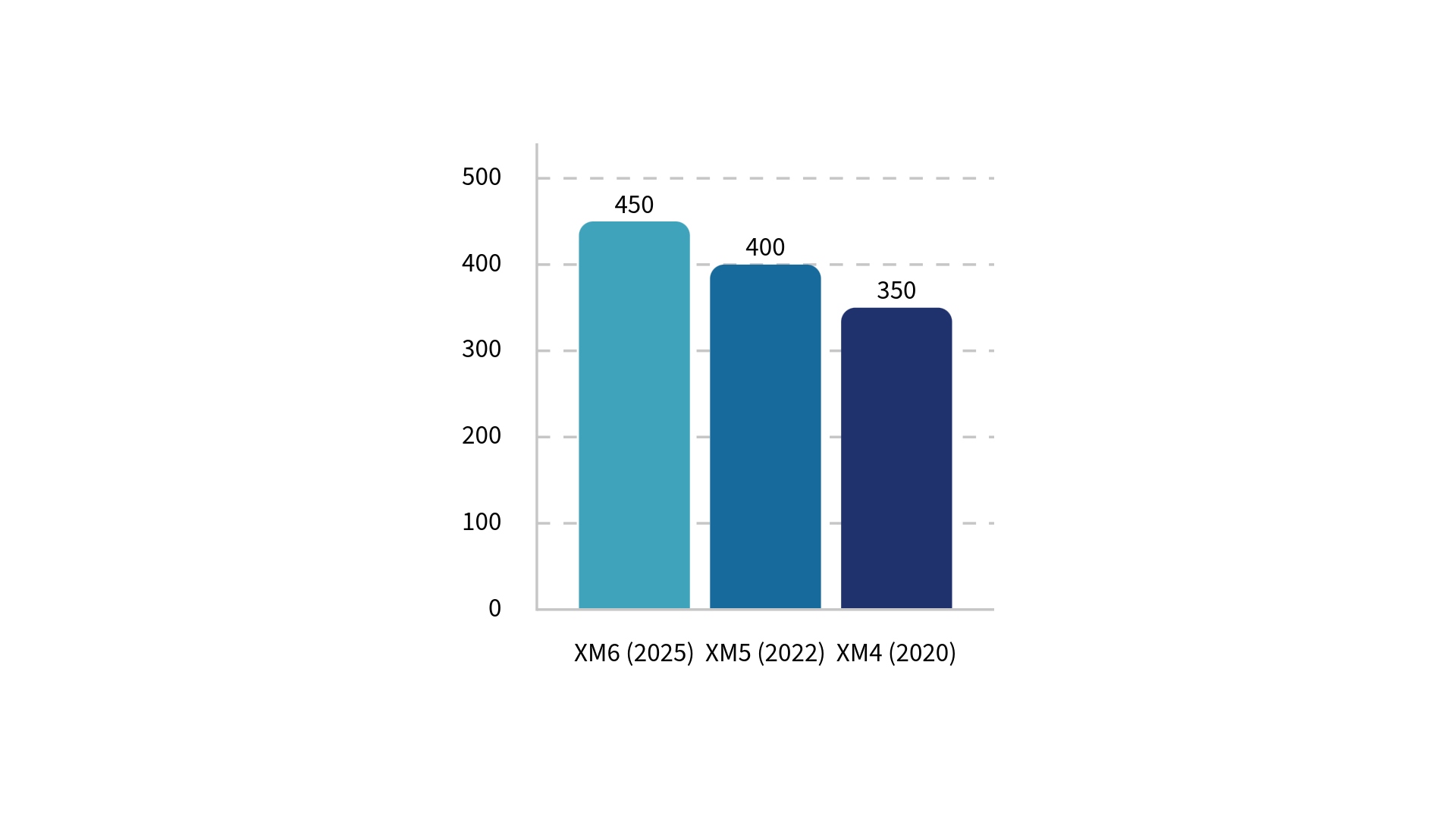
The XM6 launched at $450, compared with $400 for the XM5 and a $350 launch MSRP for the XM4. Those increases—$50 over the XM5 and $100 over the XM4—are significant, even if inflation accounts for part of the rise.
Given their closely matched isolation and similar features such as transparency, older models can offer better value when heavily discounted, particularly if the latest ANC technology is not essential.
Which Model Makes the Most Sense?
The XM6 Lead the Isolation Tests
Judged strictly by Noise Isolation (Full Range) and Noise Isolation (Common Scenarios), the XM6 win. They rank among the best headphones the source has tested, attenuating almost every frequency range effectively and blocking substantial noise in everyday environments.
Their Advantages Have Limits
The XM6 also cost the most. Their shallow ear cups and soft pads can make a dependable seal difficult, especially with glasses, potentially weakening isolation. They lack the XM4’s dedicated wind noise reduction feature, another consideration for windy locations.
For buyers comfortable with those compromises who prioritize the strongest current ANC technology, the XM6 are a compelling choice. Their lead over the 2020 XM4 is only marginal, however, and comes at a much higher price. The XM4 remain an appealing alternative for value, comfort, wind handling, and a more reliable seal.
The buying conclusion centers on noise cancellation, rather than every aspect of these headphones. The source’s three-way comparison of all test results provides further differences beyond this focus.
Recent Updates
07/16/2025: Added Sony WH-1000XM4 FRC results and a comparison of all three models’ sound profiles.
07/07/2025: Article first published.