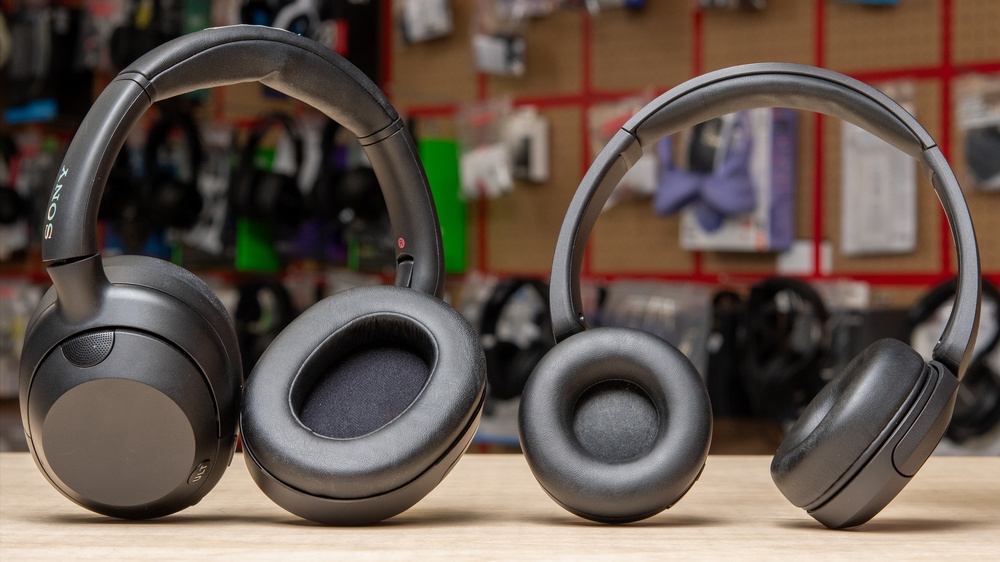
For listeners who prefer a headband and ear cups to earbuds or in-ears, the main choice is between over-ear and on-ear headphones. Both remain popular for their ergonomic designs and generally comfortable fit, although over-ears have become more popular in recent years.
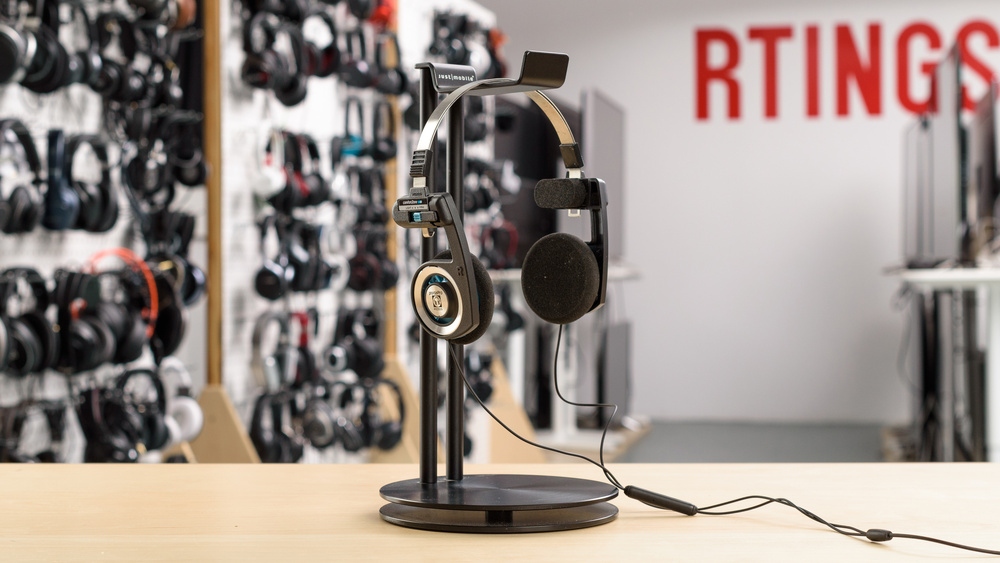
The fit alone doesn't determine performance. Open-back on-ears behave differently from closed-back over-ears with active noise cancellation (ANC), and wireless models serve different needs from wired headphones such as the Koss Porta Pro KSC.
How over-ear headphones fit
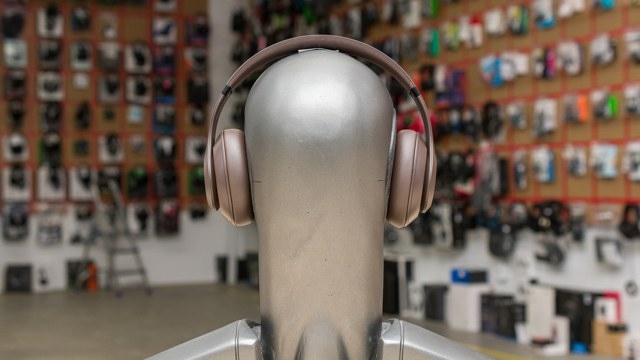
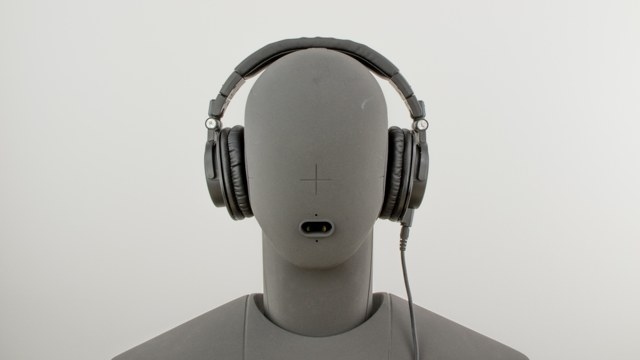
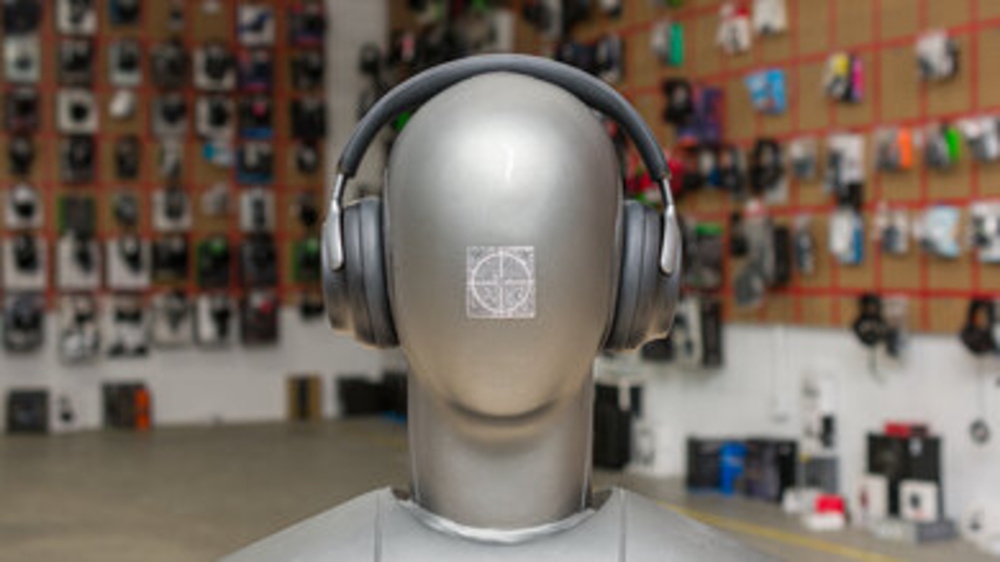
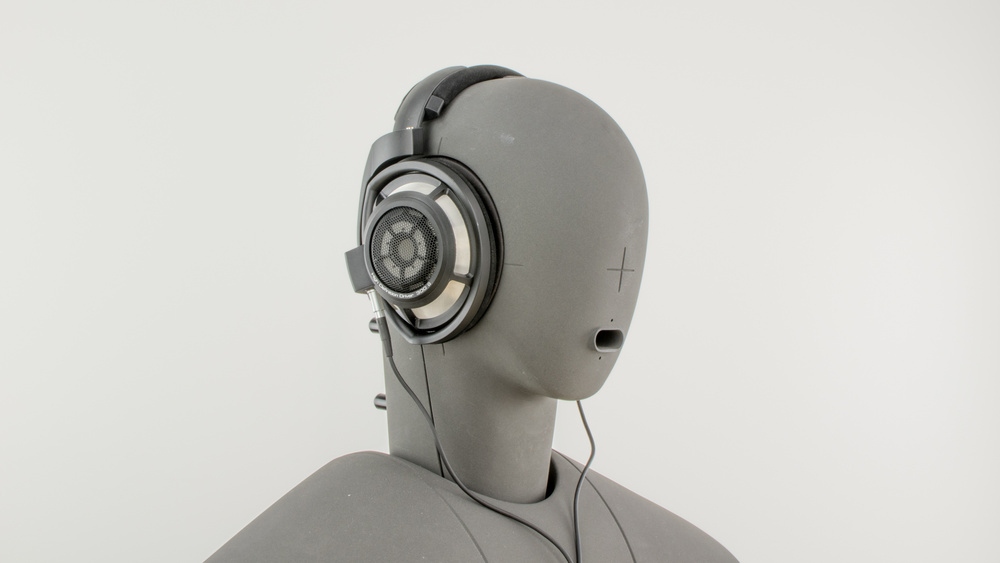
Also called circumaural headphones, over-ears typically have the largest bodies. Their cups surround the outer ear, or pinna, forming a seal. The extra room accommodates larger drivers, potentially delivering stronger bass and a broader soundstage. Soft cloth, velour or leather padding helps with comfort, but can trap sweat during exercise or in warm conditions.
How on-ear headphones fit
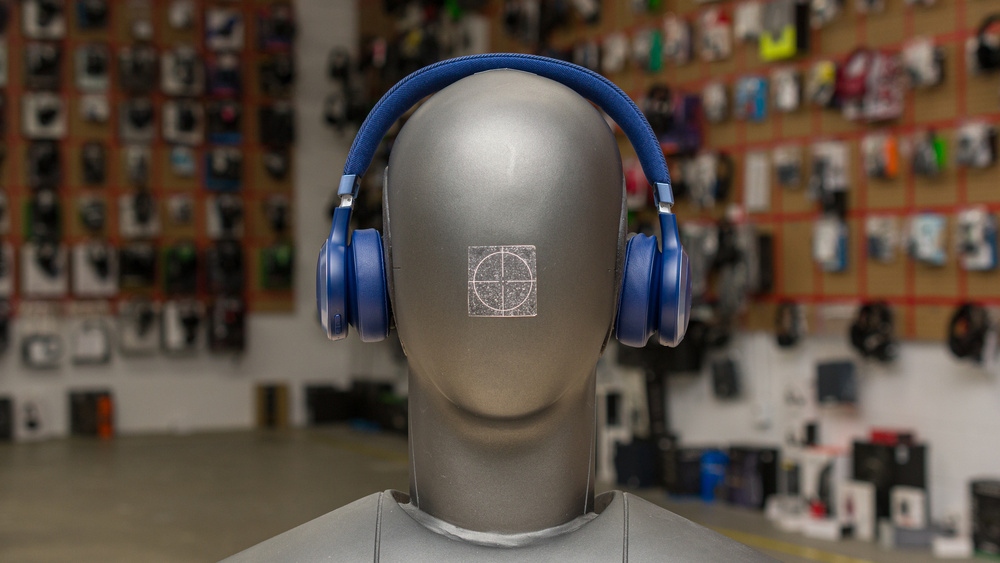
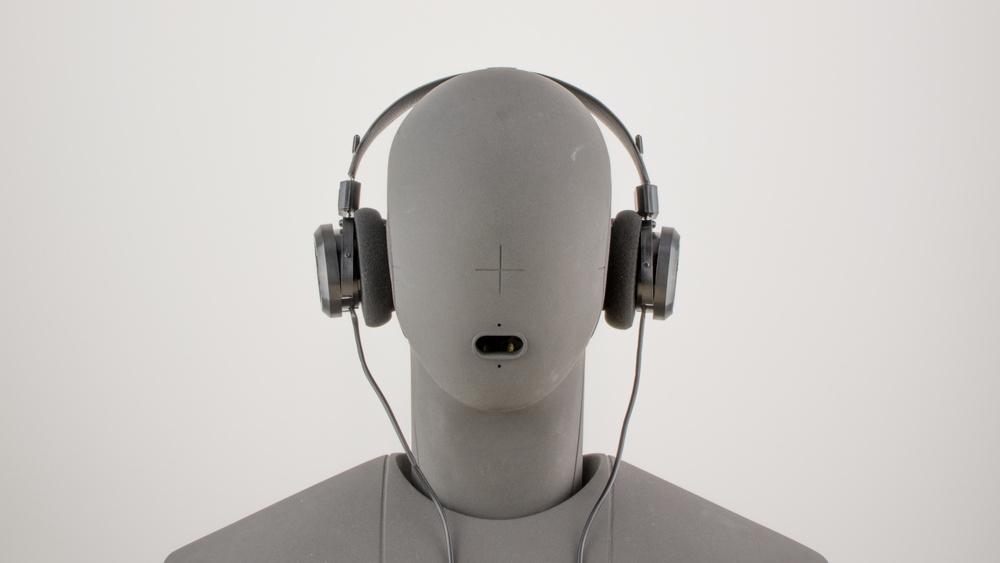
On-ear, or super-aural, headphones use shallower, flatter cups that rest directly on the ears. Usually smaller and easier to carry than over-ears, they rely mainly on clamping force to stay in place. They interact less with the pinna and cannot form the same seal, limiting noise isolation.
Their padding more commonly uses leather or leather-like materials than cloth or velour. They occupy a middle ground between in-ears and over-ears: less portable than in-ears, but with a less intrusive fit and somewhat more immersive sound.
Open backs, closed backs, cables and wireless connections
Both styles come in open-back, closed-back, wired and wireless versions. Closed backs generally provide better passive isolation, less leakage and a bassier sound; open backs can offer a wider, more enveloping soundstage. Even closed-back on-ears struggle to match closed-back over-ears for passive isolation because their seal is less complete.
A wired connection offers straightforward, low-latency listening, but cables restrict movement and can snag. Wireless models free you from the cable, at the expense of battery dependence and possible latency.
Where the two styles differ
Comfort and fit
Over-ears are generally more comfortable, though individual preferences vary. Their larger cups spread weight around the ear and accommodate thicker padding. On-ear cups press against the ears themselves, which can become uncomfortable during long sessions.
That extra over-ear padding can also reduce airflow and trap sweat, particularly in heat. The source publication no longer tests breathability, but its earlier tests found this was usually less troublesome with on-ears.
Anatomy matters. Larger ears may feel squeezed by on-ear cups and their clamping pressure, while smaller ears may suit that fit well. On-ears also tend to weigh less, reducing pressure on the top of the head.
Portability
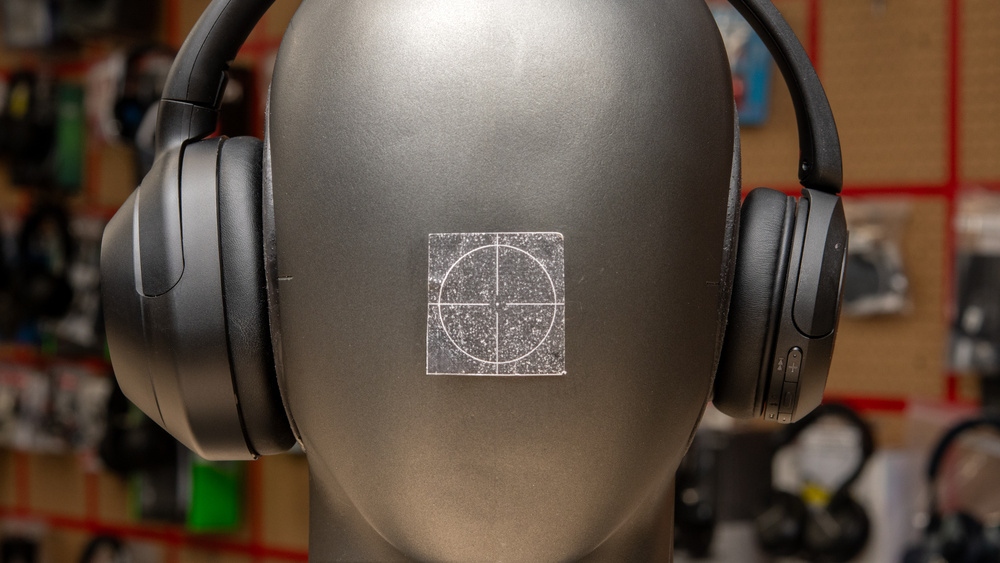
On-ears are typically lighter, more compact and often fold for transport. Over-ears range from streamlined wireless commuter models to bulky studio headphones, but their cups generally occupy more bag space. Wireless connectivity and the supplied case also affect how convenient either style is to carry.
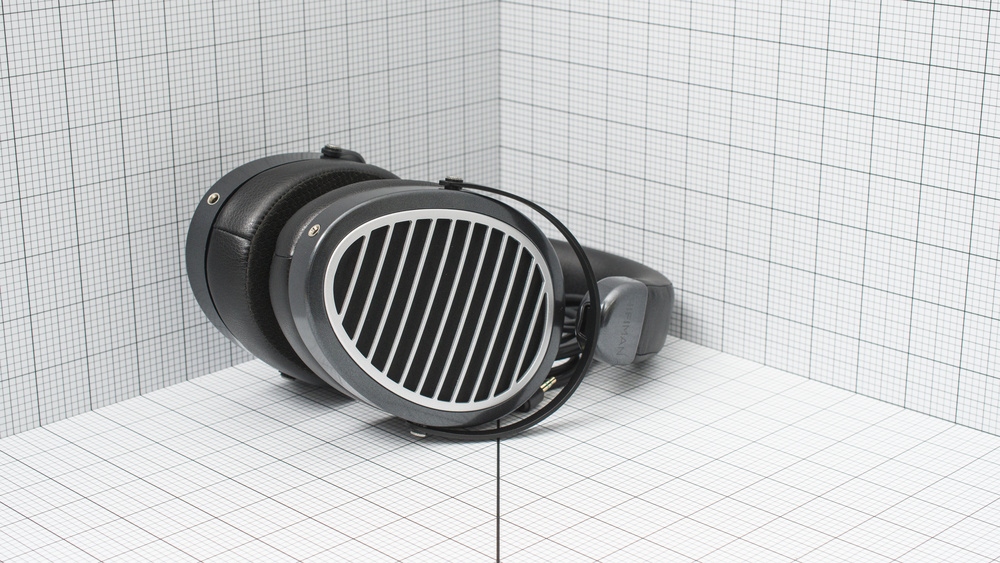
Noise isolation and sound leakage
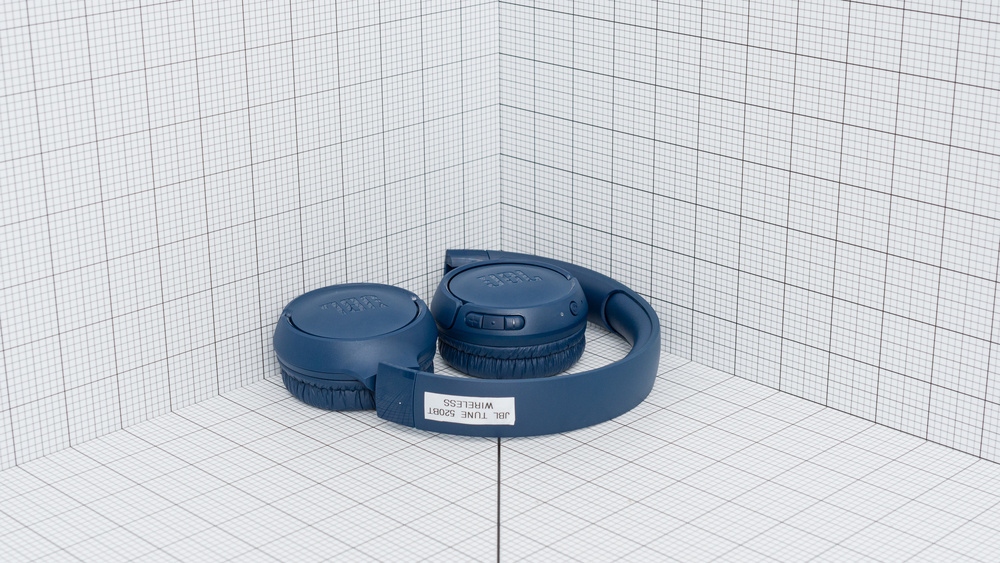
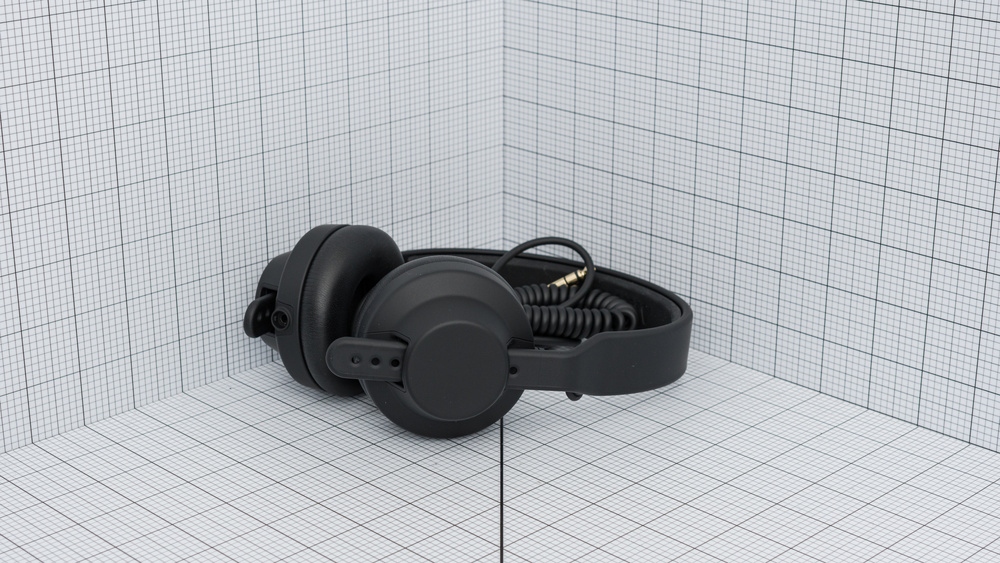
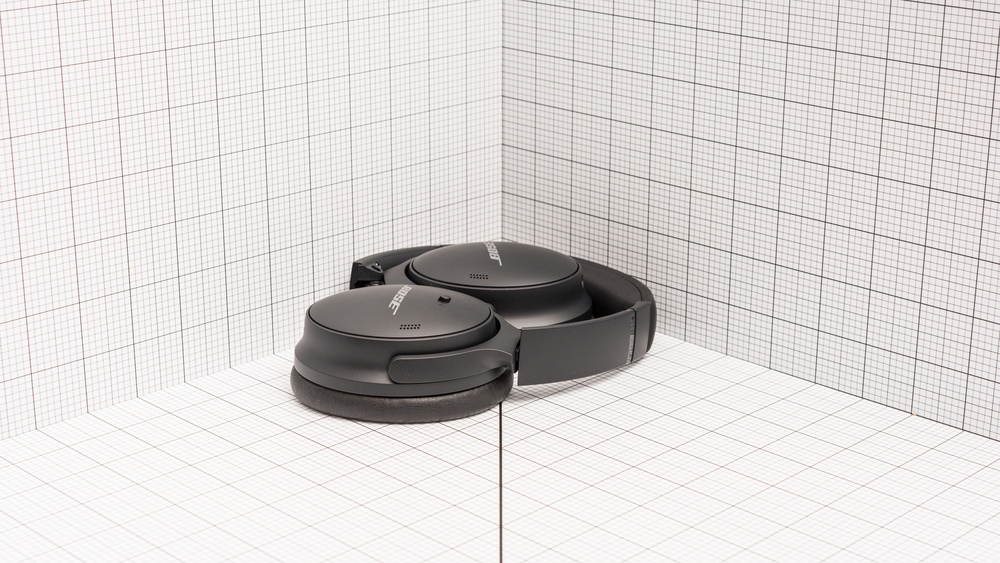
The seal around an over-ear cup generally gives it an advantage in passive noise isolation, reducing outside sound before ANC is added. In the source's testing, the Sony WH-1000XM6 are among the strongest over-ear performers for isolation, while the JBL Live 670NC lead the on-ear group. However, far more over-ears than on-ears have been assessed on recent test benches.
Enclosure design also matters: closed-back on-ears will usually isolate better than open-back over-ears. The source additionally contains a contradictory statement comparing open-backs unfavorably with open-backs, without clarifying that comparison.
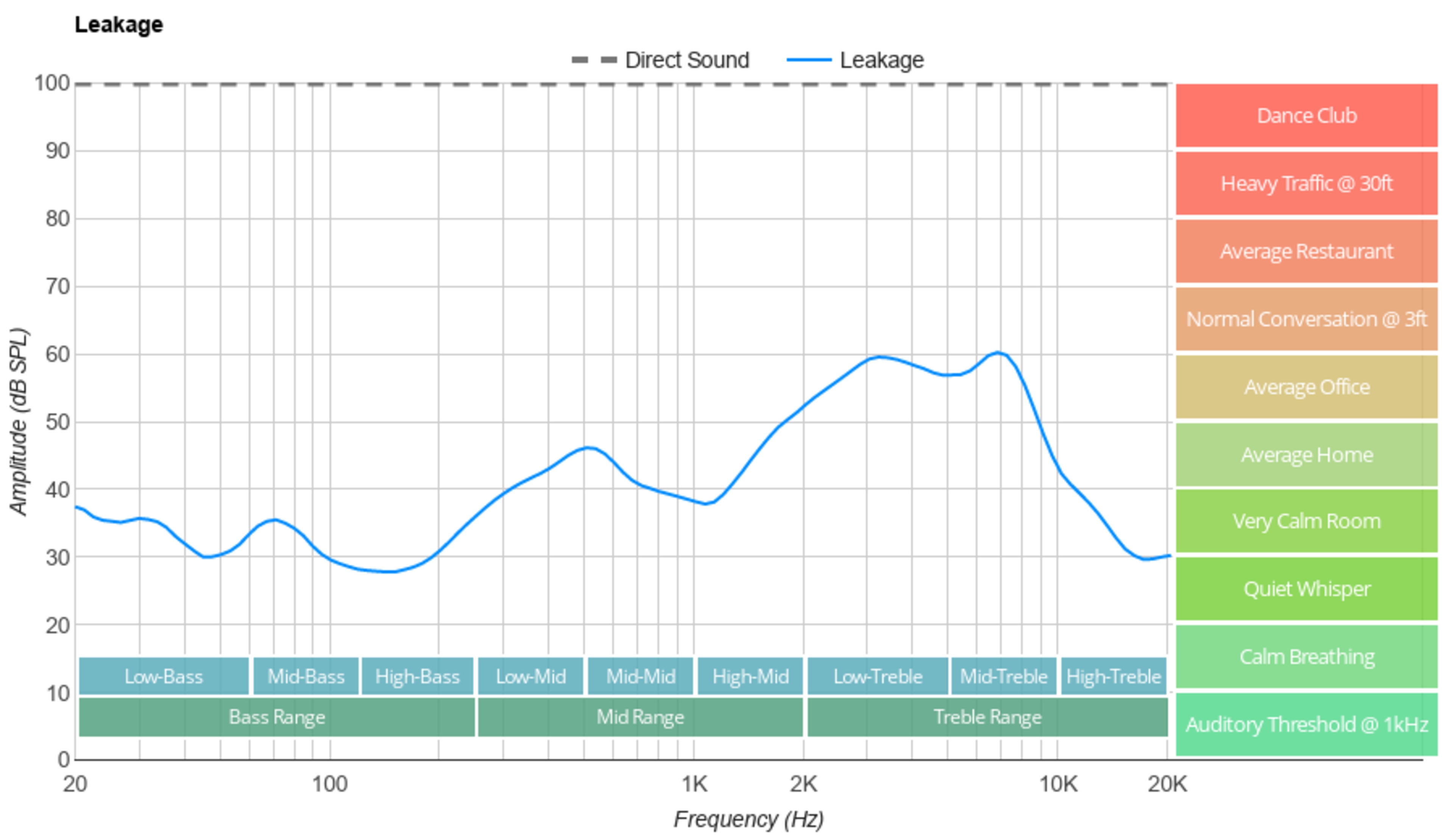
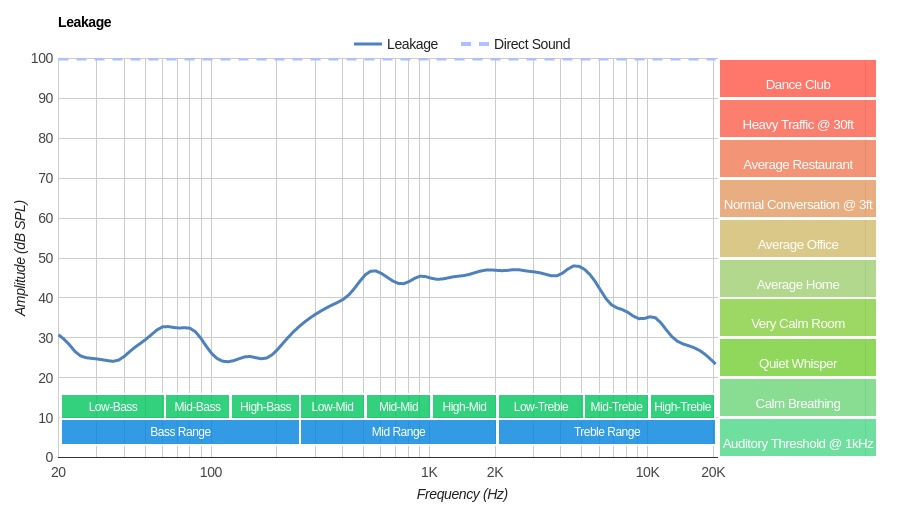
Leakage likewise depends heavily on enclosure design. Open backs deliberately let audio escape, whereas closed backs contain it more effectively. An over-ear seal further reduces leakage, making closed-back over-ears a better library choice than closed-back on-ears.
Sound quality
Sound preferences vary with the listener, music and even mood, as the source's 1.8 Test Bench article illustrates. Neither fit guarantees that you'll prefer its sound, although research suggests comfort and ergonomics may affect perceived quality.
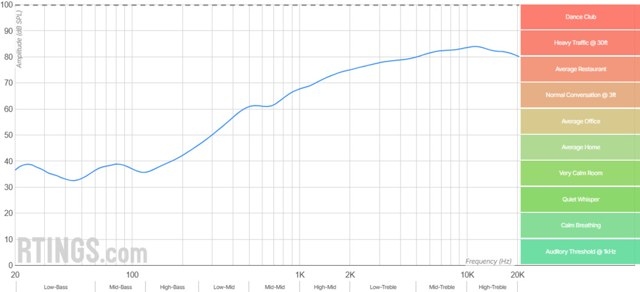
There are useful design correlations. Larger over-ear cups can hold bigger drivers, including planar magnetic designs, which often deliver better bass with lower harmonic distortion. Less restricted interaction with the pinna can also make the presentation feel more spacious.
Roomier cups allow more freedom in driver placement, another contributor to an immersive soundstage. That can benefit gaming and live concert recordings, but doesn't establish a universal preference: some listeners will favor the punch of the Beats Solo 4 over the expansive Sennheiser HD 800 S.
Calls and microphones
Call clarity depends much more on the microphone than on whether cups sit on or around the ears. For the best recording quality short of a standalone microphone, look for a dedicated boom mic; either headphone style can accommodate one.
The on-ear Jabra Evolve2 65 Wireless reproduce voices naturally, while the Drop + Sennheiser/EPOS PC38X offer an over-ear gaming-headset alternative.
Wearing glasses
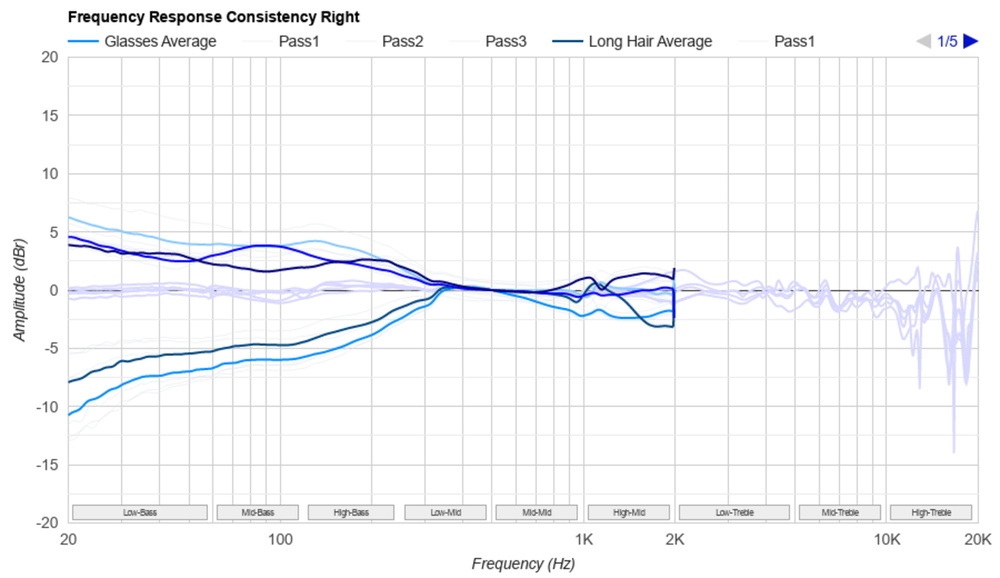
Over-ears generally accommodate glasses more comfortably because their larger cups and thicker padding leave more room and distribute pressure more evenly. On-ears can press glasses arms painfully against the ears.
Still, comfort needs to be judged model by model. Clamping force, pad material, cup dimensions, head shape and the material of your glasses all influence the result.
Glasses may also interrupt the headphone seal, causing inconsistent audio delivery, including reduced bass. The source's Frequency Response Consistency article examines this issue further.
Where over-ears work well
Recording and mixing
Over-ears are a longstanding studio choice for monitoring and mixing. Closed-back models help performers concentrate on the cue mix by excluding outside noise. Their limited leakage also reduces the risk of headphone audio bleeding into a recording when monitoring a live source.
Mix engineers often favor open backs, particularly models with larger drivers, for hearing fine details that translate to other systems alongside studio near-field monitors. Larger cups, especially with angled drivers, can improve the impression of depth and distance. Their emphasis on comfort also suits all-day mixing sessions.
Travel and commuting
Over-ears dominate the source's travel recommendations despite being less portable than on-ears. Their passive seal, paired with an advanced ANC system such as that in the Sony WH-1000XM6, can make airports, aircraft cabins and trains much easier to tolerate. Comfortable pads and long battery life further suit overnight flights and city commutes.
Where on-ears work well
DJing
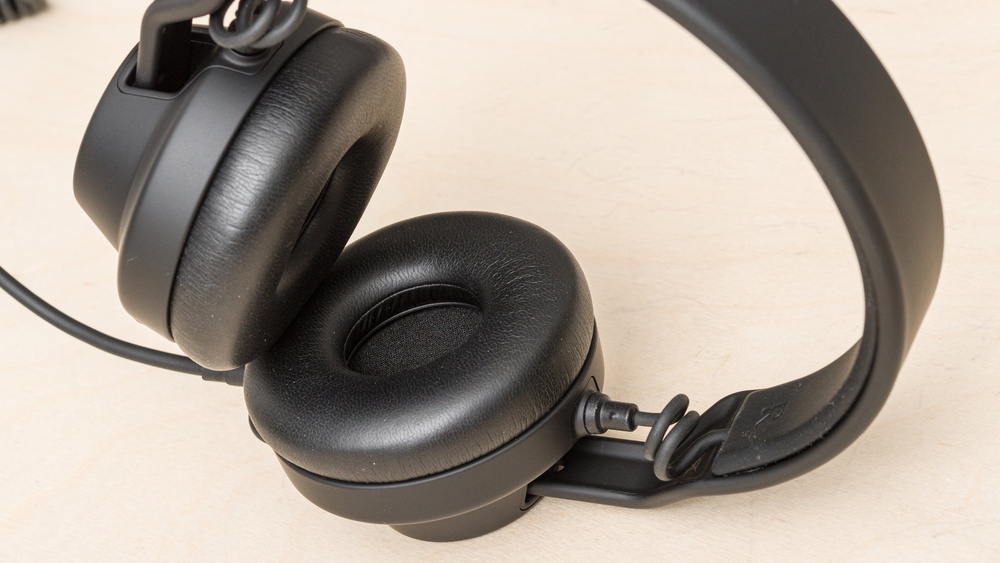
DJs need to follow both the room's monitor mix and a headphone mix used to cue upcoming tracks. Strong bass helps align kicks, while a lightweight, flexible design makes switching between one-ear and two-ear monitoring easier.
On-ears suit these demands well. Their smaller cups can swivel more readily, allowing quick changes between room sound and headphone audio while reducing hinge wear over time.
Exercise
Lightweight, stable earbuds and in-ears are generally preferable for exercise, but on-ears are a better fallback than over-ears. They tend to have lighter frames and more breathable padding, and their less enclosed fit reduces overheating around the ears.
They still cannot match the security of in-ears with stability hooks. Nevertheless, brightly colored on-ears such as the Beats Solo 4 remain a familiar gym choice.
Choosing the right fit
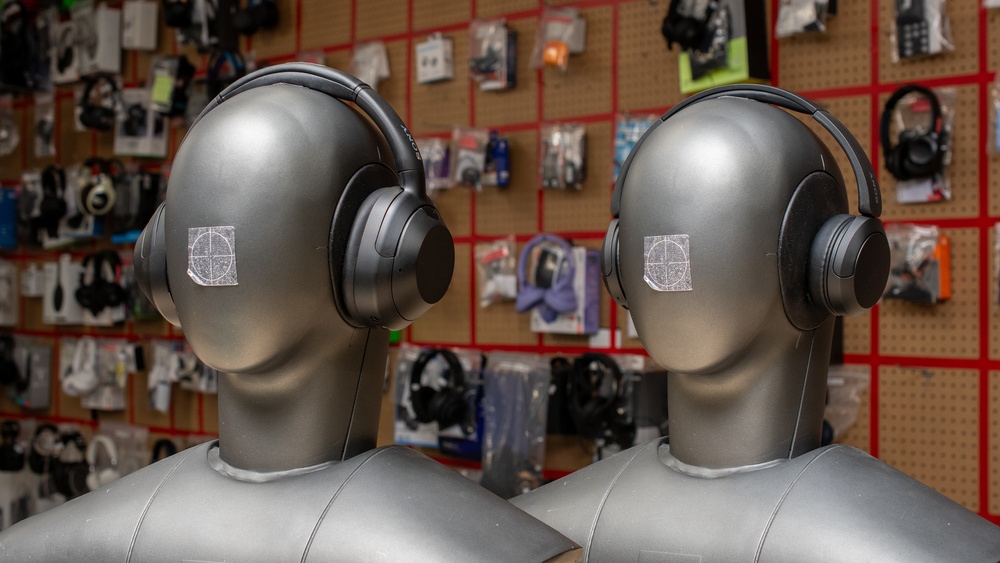
Over-ears prioritize a surrounding fit, typically greater comfort and room for larger drivers. They can offer powerful, spacious sound for entertainment and professional audio. Closed backs generally isolate better and leak less, while wireless ANC versions are particularly suited to travel.
On-ears prioritize lower weight and portability. Comfort depends strongly on ear anatomy, and their smaller cups limit driver space and interaction with the pinna, potentially reducing perceived depth and scale. They usually let more outside noise in and more audio out, but trap less sweat—a useful tradeoff for fitness.