Bluetooth exchanges data over short distances using ultra-high frequency (UHF) radio waves from 2.400 to 2.485 GHz. Compatible headphones can stream media from another Bluetooth device, typically a smartphone or tablet. Models with microphones also handle wireless calls, and most provide controls for playback and accepting or rejecting calls.
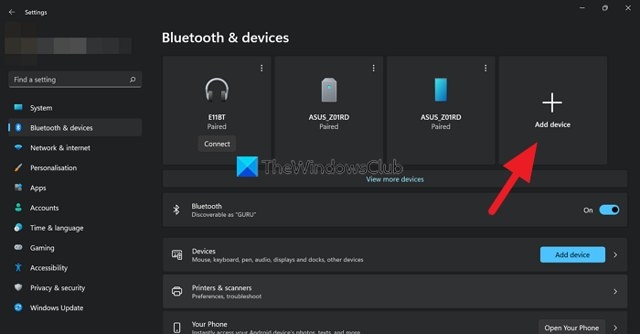
The Bluetooth Special Interest Group (Bluetooth SIG) oversees the standards all Bluetooth protocols must meet. Compared with unstandardized wireless radio frequency (RF) technologies, Bluetooth offers lower power consumption, less signal interference, and broader device compatibility. Its drawbacks include a potentially inconvenient pairing process and limits on the number of connected devices.
The source's Bluetooth score first establishes whether headphones support Bluetooth and identifies the version. It then considers quick pairing, supported codecs, and latency; the testing also reports multi-device pairing.
Why These Features Matter
As more smartphones replace headphone jacks with a single USB-C or Lightning connector, Bluetooth becomes an alternative to using wired headphones through an adapter. It offers wireless freedom without the bulky stands or limited USB dongles associated with RF gaming and home theater headsets.
Different uses call for different capabilities:
- For a recent flagship device, headphones supporting the same Bluetooth version may offer better latency and wireless range performance.
- For frequent changes between a work PC and tablet, look for multi-device pairing.
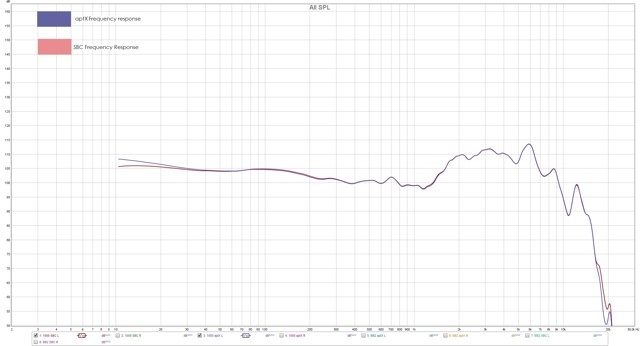
- High-resolution listening requires a codec capable of streaming that audio at a high bit rate.
- Video viewers should consider low-latency codecs.
Limits of the Testing
The score does not cover:
- Sound-quality comparisons between codecs.
- AAC latency, a complicated subject addressed separately in the source's R&D article.
- Bluetooth LE (Low Energy) Audio, a low-power audio transmission standard.
- LC3, LC3+, or proprietary codecs such as Samsung's Seamless, because the source does not yet have the tools to measure them.
Interpreting the Score
The Bluetooth score describes wireless support and features rather than every aspect of listening quality. Version differences affect latency and range, while quick pairing and multiple-device connections influence convenience. Codec support and measured latency are particularly useful when assessing high-quality audio playback or audio delay.